
budgeting

LESSON

Lesson Learned: For Participation of Persons with Disabilities in Disaster and Climate Risk Governance in the Philippines

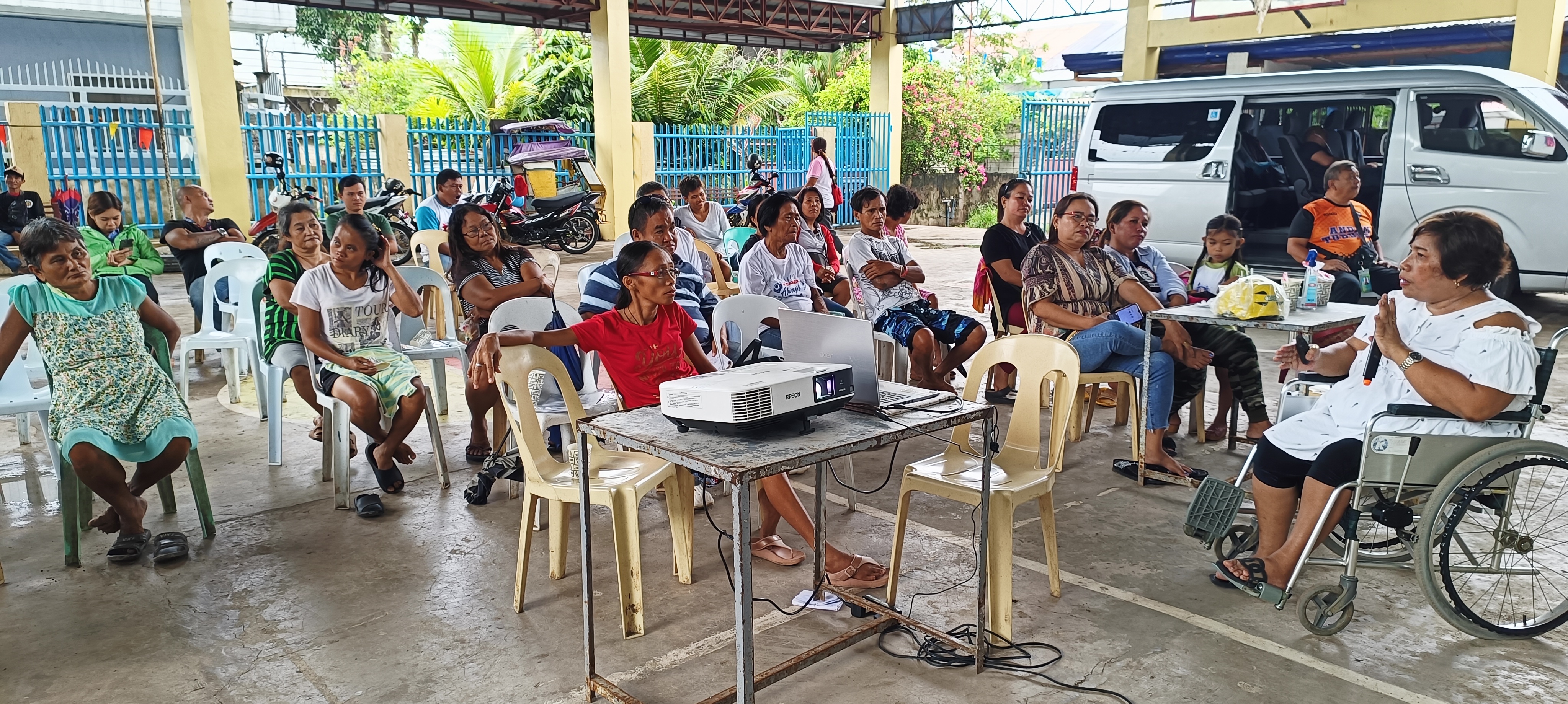
With sufficient capability-building interventions, Persons with Disabilities, at both the individual and organizational levels, can be highly capable and dynamic contributors to local governance processes. However, the shift in dynamics, whereby some decision-making powers, including the allocation of resources for Persons with Disabilities, are shared between the Local Government Units and the Organizations of Persons with Disabilities, should be managed effectively by providing additional project inputs on socio-political change.
Project Partner
A2D Project-Research Group for Alternatives to Development Inc.
Project Description

This project works to empower people with disabilities to participate in disaster risk reduction approaches in 20 local government units in Cebu Province. It will build capacity for 20 organizations of persons with disabilities to have a real voice in formal community planning processes, with the goal of influencing local government to break barriers, open spaces for inclusion, and encourage at-risk populations to take an active role in disaster preparedness, risk reduction and other community development agenda issues.

Evaluation Date
December 2025
Country
LESSON

Lesson Learned: Creative Communication of the Nigerian Budget

Grantees should assess financial risks to the project well in advance of implementation, especially the inflation rate. In financially volatile situations, be cautious about setting very ambitious targets and instead seek to deepen rather than broaden project engagements. This is especially important for activities that involve a high level of travel and administration at field level as these costs tend to inflate the budget, lending it inadequate for the entire funding period.
Project Partner
BudgIT Information Technology Network
Project Description
The goal of the project was to empower citizens with information about the budget process and public expenditure so as to increase the transparency and accountability of the Nigerian government. The project addressed a lack of easily understandable information on the national budget in Nigeria specifically the problem of public works projects that were promised but never completed. The original project strategy was to use social media to engage local community-based organizations (CBOs) to monitor the completion of mini public works. However, due to limited access to technology and low commitment by the local CBOs, the grantee instead engaged Project Tracking Officers (PTOs) who were equipped with mobile phones and technical skills to undertake project monitoring activities in each targeted community and who were accountable directly to the grantee.  Instead of working with the CBOs, the grantee decided to engage with community leaders as “champions” to involve community members in community project monitoring. However, the broadcast television component of the project - Tracka. - had an impact. This media platform provided a tool for giving feedback to citizens and was very effective in collecting, transferring and sharing the information on the status of the public works
Evaluation Date
July 2018
Theme
Country