Lessons

LESSON

Lesson Learned: Deliberative Democracy and Citizen Assemblies to Fight Inequality and Poverty in Brazil

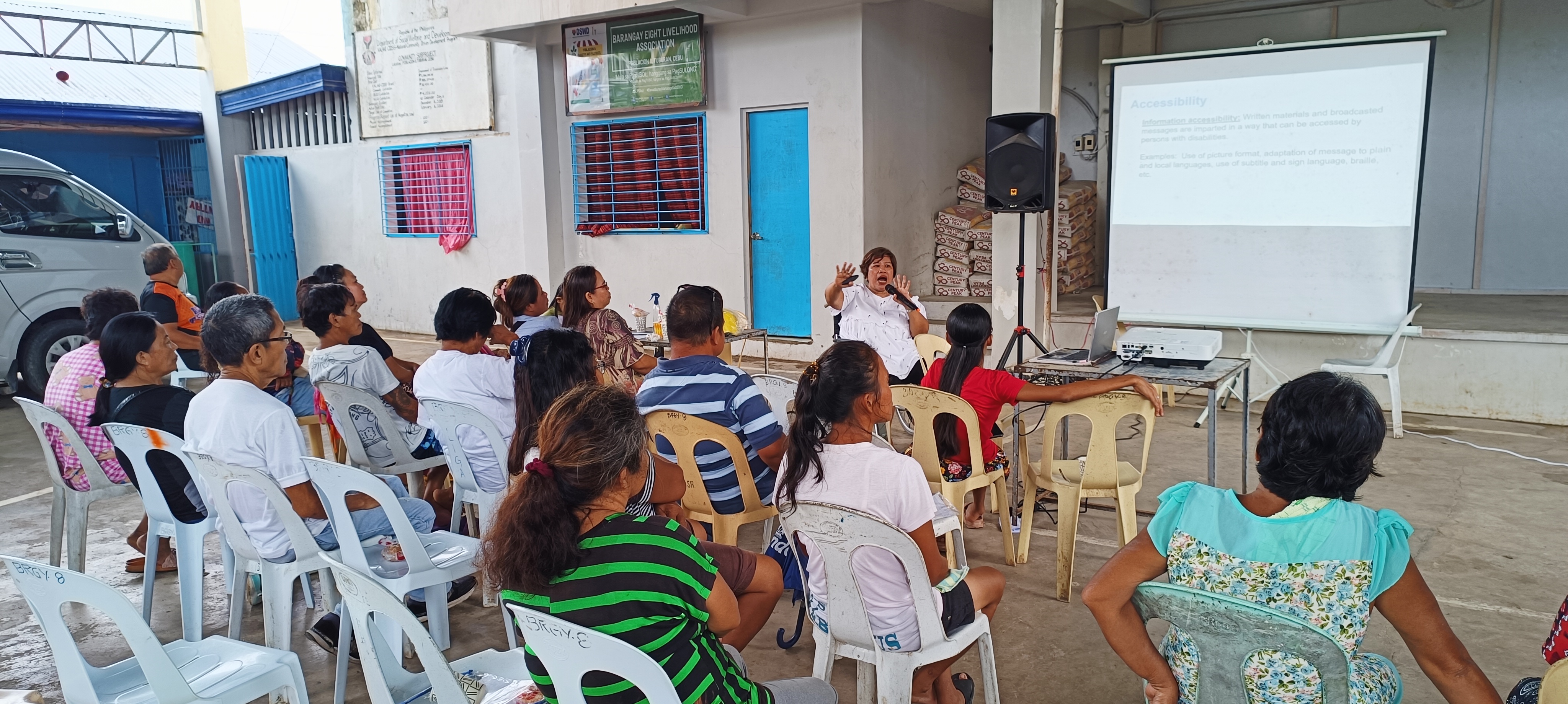
There could have been more evaluator engagement with Citizen Assembly (CA) members (the same was said for the post project evaluation that looked at the UNDEF project UDF-17-739-GLO of 2018-2022). Agree in advance, who and how many participants would be acceptable, and factor in sufficient time and resources to make best use of tools such as Focus Groups. When drawing up inception reports/launch notes, include the OECD Evaluation Guidelines for Representative Deliberative Processes, especially the three-step evaluation cycle: (1) process design integrity; (2) deliberative experience; and (3) pathways to impact. Evaluating projects on participatory/deliberative democracy is a relatively new practice for Monitoring and Evaluation, and some lessons can be drawn from the experience of this project. 

Project Partner
Delibera Brasil
Project Description

Working in collaboration with municipal governments and civil society, the project seeks to establish Citizen Assemblies in three cities in Brazil to facilitate public participation in policymaking to address poverty and inequality. Building on experience from Brazil and elsewhere, the aim is to demonstrate to public managers, political leaders and citizens alike the feasibility and value of open, inclusive deliberation to build sustainable and widely supported policy responses to complex issues. Results and lessons from the project’s three pilot efforts will be shared at national level. Increased cooperation among policymakers and civil society will address declining public political participation even as it contributes to more equitable and sustainable urban development. The project includes activities relevant to the Covid-19 crisis as it impacts civil society and ensuring that responses uphold their rights and are inclusive of their needs.

Evaluation Date
September 2025
Country
LESSON

Lesson Learned: Deliberative Democracy and Citizen Assemblies to Fight Inequality and Poverty in Brazil

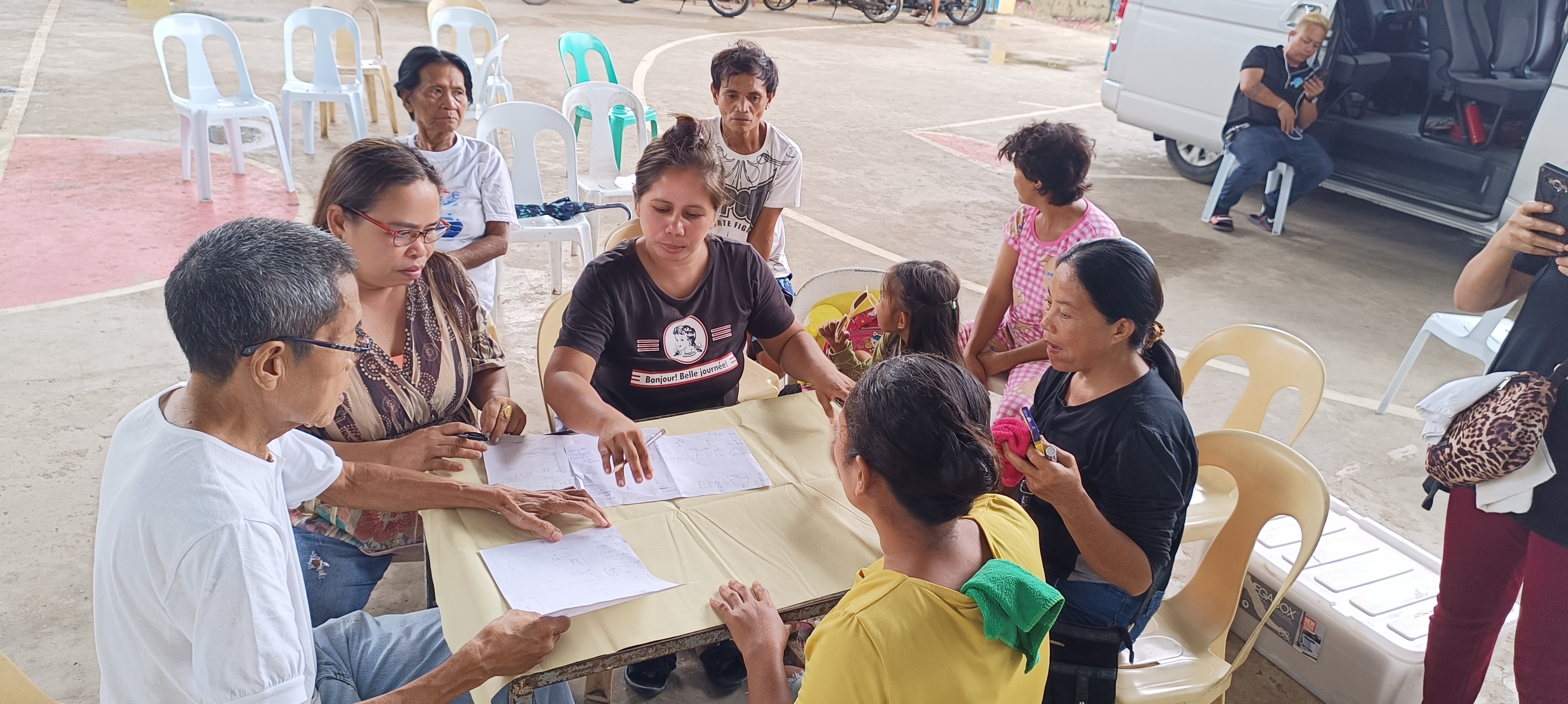
Evolving international best practice seems to suggest that Citizen Assemblies (CAs) can be most useful and effective when addressing “hot” topics that existing political systems and structures are unable to resolve. But this is not always possible where political actors, who need to be part of the process, perceive unacceptable political/electoral risk. A balance may often need to be struck to find a theme/question that is acceptable to all. For this project, the selection of theme or question for the CA was not necessarily the hottest topic for the communities concerned, due to political sensitivities.

Project Partner
Delibera Brasil
Project Description

Working in collaboration with municipal governments and civil society, the project seeks to establish Citizen Assemblies in three cities in Brazil to facilitate public participation in policymaking to address poverty and inequality. Building on experience from Brazil and elsewhere, the aim is to demonstrate to public managers, political leaders and citizens alike the feasibility and value of open, inclusive deliberation to build sustainable and widely supported policy responses to complex issues. Results and lessons from the project’s three pilot efforts will be shared at national level. Increased cooperation among policymakers and civil society will address declining public political participation even as it contributes to more equitable and sustainable urban development. The project includes activities relevant to the Covid-19 crisis as it impacts civil society and ensuring that responses uphold their rights and are inclusive of their needs.

Evaluation Date
September 2025
Country
LESSON

Lesson Learned: Deliberative Democracy and Citizen Assemblies to Fight Inequality and Poverty in Brazil

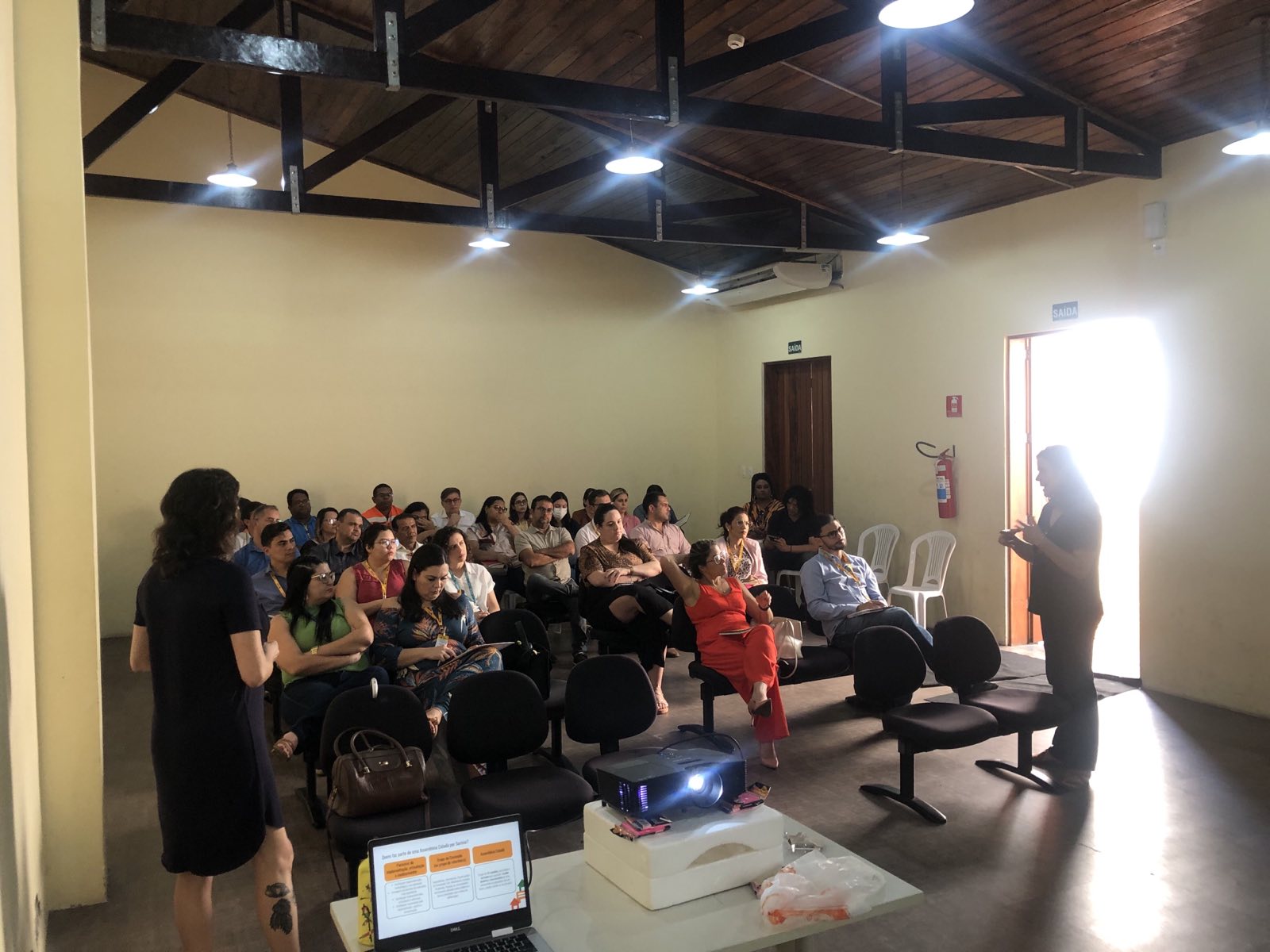
Reporting good news stories (as opposed to crises and conflicts) is a challenge everywhere. Plan accordingly and manage expectations. Communications strategies should remain an important part of any project design and delivery – to improve understanding and acceptability of Citizen Assemblies (CAs). For countries in the Global South, like Brazil, these should tackle head-on any reservations about the “random” nature of selection, and representation/inclusivity. The Brazilian experience is already demonstrating that CAs are not some Western import but are building on a long tradition of social participation in decision-making processes at local and national levels. In this project, engaging with journalists was challenging, and media interest was not as strong as the Grantee was hoping for.


Project Partner
Delibera Brasil
Project Description

Working in collaboration with municipal governments and civil society, the project seeks to establish Citizen Assemblies in three cities in Brazil to facilitate public participation in policymaking to address poverty and inequality. Building on experience from Brazil and elsewhere, the aim is to demonstrate to public managers, political leaders and citizens alike the feasibility and value of open, inclusive deliberation to build sustainable and widely supported policy responses to complex issues. Results and lessons from the project’s three pilot efforts will be shared at national level. Increased cooperation among policymakers and civil society will address declining public political participation even as it contributes to more equitable and sustainable urban development. The project includes activities relevant to the Covid-19 crisis as it impacts civil society and ensuring that responses uphold their rights and are inclusive of their needs.

Evaluation Date
September 2025
Country
LESSON

Lesson Learned: Deliberative Democracy and Citizen Assemblies to Fight Inequality and Poverty in Brazil

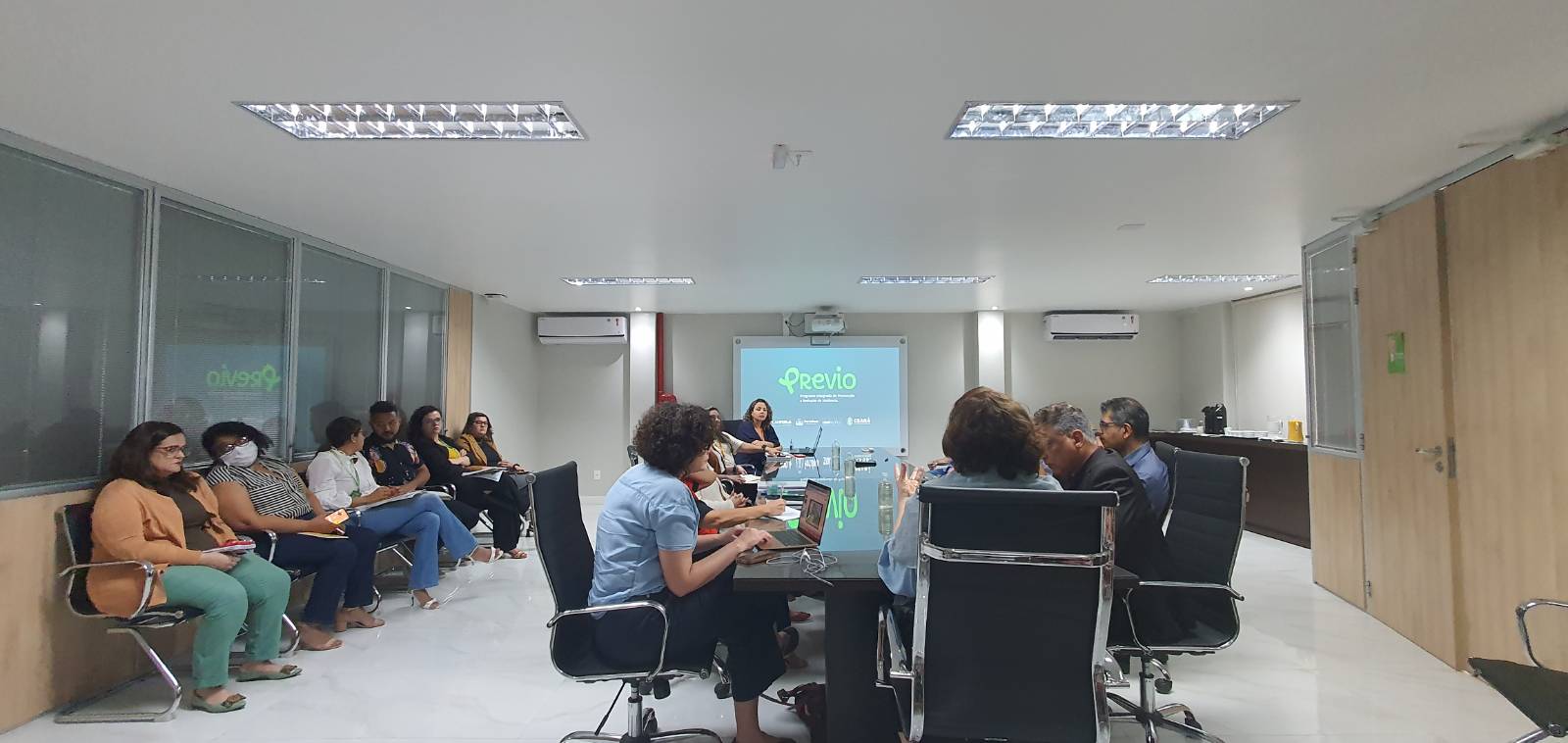
The most successful Citizens’ Assemblies (CAs) take full account of local circumstances and contexts, and adapt accordingly – hence the different lottery selection techniques used by the Grantee in each of the three locations. Respecting key principles is more important than the methods used. The Brazilian experience of social participation in decision-making processes demonstrates the variety of tools and mechanisms available for this. In this project, the methodology used by Delibera/ReCoS is arguably more rigorous and inclusive than most other experiences in Brazil.


Project Partner
Delibera Brasil
Project Description

Working in collaboration with municipal governments and civil society, the project seeks to establish Citizen Assemblies in three cities in Brazil to facilitate public participation in policymaking to address poverty and inequality. Building on experience from Brazil and elsewhere, the aim is to demonstrate to public managers, political leaders and citizens alike the feasibility and value of open, inclusive deliberation to build sustainable and widely supported policy responses to complex issues. Results and lessons from the project’s three pilot efforts will be shared at national level. Increased cooperation among policymakers and civil society will address declining public political participation even as it contributes to more equitable and sustainable urban development. The project includes activities relevant to the Covid-19 crisis as it impacts civil society and ensuring that responses uphold their rights and are inclusive of their needs.

Evaluation Date
September 2025
Country
LESSON

Lesson Learned: Enabling Local Information and Media Literacy for a Better-Informed Society in Colombia

In contexts affected by conflict and/or institutional neglect, participatory methodologies should be incorporated into the project design. Projects that rely on top-down or pre-defined agendas risk rejection or superficial engagement, whereas participatory methods strengthen both social cohesion, and democratic outcomes. The project worked in municipalities with low social cohesion and high distrust towards external actors. The implementors of this project responded by holding preliminary dialogues with local stakeholders, enabling participants to define their own reporting agendas and more.

UDF-19-870-COL_3
Project Partner
Fundación para la Libertad de Prensa/ Press Freedom Foundation
Project Description

This strategic four-year project works to increase the presence of local news in rural areas of Colombia, so as to encourage civic participation, sound governance and democratic discussion. Building on previous projects the grantee has implemented for UNDEF, journalism labs will expand from two regions to four, bringing more media and digital literacy training programmes to community leaders and groups, women and young people; support post-training local content production and communication to ensure at least one monthly product on local issues; and build an experimental media and digital literacy programme for local schools. The project is highly relevant in the Covid-19 world and its aftermath, where the fight against disinformation and for freedom of information, media literacy and online safety will be crucial; and where it will be essential to advance understanding of the specific impact of the crisis on women and young people, ensuring that responses uphold their rights and are inclusive of their needs.

Evaluation Date
August 2025
Theme
Country
LESSON

Lesson Learned: Enabling Local Information and Media Literacy for a Better-Informed Society in Colombia

Projects should be designed to be adaptable, flexible, and sensitive to the context(s) in which they take place – especially when a project operates across territorially or culturally differentiated contexts. In this project, the use of intercultural and gender-sensitive methodologies such as differentiated accompaniment in Indigenous communities and allowing women to participate in sessions with children addressed different linguistic, cultural, and gender-related barriers. Additionally, challenges related to limited digital connectivity were mitigated through flexible delivery methods (print materials, WhatsApp and phone calls, recorded sessions).

UDF-19-870-COL_1
Project Partner
Fundación para la Libertad de Prensa/ Press Freedom Foundation
Project Description

This strategic four-year project works to increase the presence of local news in rural areas of Colombia, so as to encourage civic participation, sound governance and democratic discussion. Building on previous projects the grantee has implemented for UNDEF, journalism labs will expand from two regions to four, bringing more media and digital literacy training programmes to community leaders and groups, women and young people; support post-training local content production and communication to ensure at least one monthly product on local issues; and build an experimental media and digital literacy programme for local schools. The project is highly relevant in the Covid-19 world and its aftermath, where the fight against disinformation and for freedom of information, media literacy and online safety will be crucial; and where it will be essential to advance understanding of the specific impact of the crisis on women and young people, ensuring that responses uphold their rights and are inclusive of their needs.

Evaluation Date
August 2025
Theme
Country
LESSON

Lesson Learned: Enabling Local Information and Media Literacy for a Better-Informed Society in Colombia

Long-term sustainability and efficiency of a project is dependent on a building a strong network of partnerships with relevant actors such as civil society organisations, schools, and community media. Building and leaning on strong partnerships can allow projects to build on existing initiatives rather than act in isolation, duplicate efforts, and ensure longer-term funding and support from relevant actors. For example, in this project a Training-of-Trainers approach through partnering with academic institutions to implement a diploma in an academic setting could have ensured the programme’s continuation to train new cohorts of teachers and expanded its national reach. Additionally, supporting projects to develop independent income streams through partnerships with government agencies, philanthropies, or private actors could work to reduce dependence on stipends in the long-term.

UDF-19-870-COL_4
Project Partner
Fundación para la Libertad de Prensa/ Press Freedom Foundation
Project Description

This strategic four-year project works to increase the presence of local news in rural areas of Colombia, so as to encourage civic participation, sound governance and democratic discussion. Building on previous projects the grantee has implemented for UNDEF, journalism labs will expand from two regions to four, bringing more media and digital literacy training programmes to community leaders and groups, women and young people; support post-training local content production and communication to ensure at least one monthly product on local issues; and build an experimental media and digital literacy programme for local schools. The project is highly relevant in the Covid-19 world and its aftermath, where the fight against disinformation and for freedom of information, media literacy and online safety will be crucial; and where it will be essential to advance understanding of the specific impact of the crisis on women and young people, ensuring that responses uphold their rights and are inclusive of their needs.

Evaluation Date
August 2025
Theme
Country
LESSON

Lesson Learned: Enabling Local Information and Media Literacy for a Better-Informed Society in Colombia

The strategic selection of municipalities and/or participants can significantly increase the relevance and impact of a project. This project not only prioritized information deserts but focused on working with participants that demonstrated a strong willingness to engage, as well as strong embeddedness in community structures. The participants recruited reflected the diversity of local leadership that already held influence in their communities, including teachers, Indigenous communicators, women leaders, youth activists, and community organizers.

UDF-19-870-COL_2
Project Partner
Fundación para la Libertad de Prensa/ Press Freedom Foundation
Project Description

This strategic four-year project works to increase the presence of local news in rural areas of Colombia, so as to encourage civic participation, sound governance and democratic discussion. Building on previous projects the grantee has implemented for UNDEF, journalism labs will expand from two regions to four, bringing more media and digital literacy training programmes to community leaders and groups, women and young people; support post-training local content production and communication to ensure at least one monthly product on local issues; and build an experimental media and digital literacy programme for local schools. The project is highly relevant in the Covid-19 world and its aftermath, where the fight against disinformation and for freedom of information, media literacy and online safety will be crucial; and where it will be essential to advance understanding of the specific impact of the crisis on women and young people, ensuring that responses uphold their rights and are inclusive of their needs.

Evaluation Date
August 2025
Theme
Country
LESSON

Lesson Learned: Enabling Local Information and Media Literacy for a Better-Informed Society in Colombia

The impact of this project could be amplified through strategic communication and advocacy efforts. Stories that illustrate the transformative impact of local journalism on governance and community empowerment can serve as strong advocacy tools to expand the reach of local initiatives. Through collaboration with mainstream outlets or national journalism forums, the experiences of communities could even influence national policy discussions.

UDF-19-870-COL_5
Project Partner
Fundación para la Libertad de Prensa/ Press Freedom Foundation
Project Description

This strategic four-year project works to increase the presence of local news in rural areas of Colombia, so as to encourage civic participation, sound governance and democratic discussion. Building on previous projects the grantee has implemented for UNDEF, journalism labs will expand from two regions to four, bringing more media and digital literacy training programmes to community leaders and groups, women and young people; support post-training local content production and communication to ensure at least one monthly product on local issues; and build an experimental media and digital literacy programme for local schools. The project is highly relevant in the Covid-19 world and its aftermath, where the fight against disinformation and for freedom of information, media literacy and online safety will be crucial; and where it will be essential to advance understanding of the specific impact of the crisis on women and young people, ensuring that responses uphold their rights and are inclusive of their needs.

Evaluation Date
August 2025
Theme
Country
LESSON

Lesson Learned: Enabling National Initiatives to Take Democracy Beyond Elections

To enhance sustainability and support the establishment of nascent deliberative democracy networks at country or regional level, partner selection is crucial as they should be the actors to take the approach forward in the aftermath of the project. In the selection of countries to pilot Citizen Assembly projects, primary consideration should be given to the existence of these organizations and their willingness, capacity and interest to advance the issue, as well as the wider attitude towards deliberative democracy models.

Project Partner
The newDemocracy Foundation
Project Description

Making democracies more inclusive requires bold and innovative reforms to bring the young, the poor, and minorities into the political system. Some countries have piloted initiatives for assemblies on specific issues where members are not nominated by political parties but chosen at random for a limited term to represent all sectors of society, to prevent the formation of self-serving and self-perpetuating political classes disconnected from their electorates. The project aims to enable more countries to develop initiatives of this kind. It will develop and distribute a handbook on ‘Democracy Beyond Elections’ designed to show how nations at various levels of development can apply the principles of representation and deliberation in ways that are appropriate to their economic and educational circumstances. The project will fund three pilot projects to further the demonstration effect and produce a documentary based on one of these to demonstrate how deliberative democracy can work in practice. Among citizens, the project will work to build the sense that ordinary people are involved in making decisions that affect them, and thus to promote trust in Government. Among elected representatives, the project will work to stimulate a greater openness to complementary democratic models in which citizens explore and recommend policy solutions on key issues.

Evaluation Date
March 2025