governance

LESSON

Lesson Learned: Enabling Local Information and Media Literacy for a Better-Informed Society in Colombia

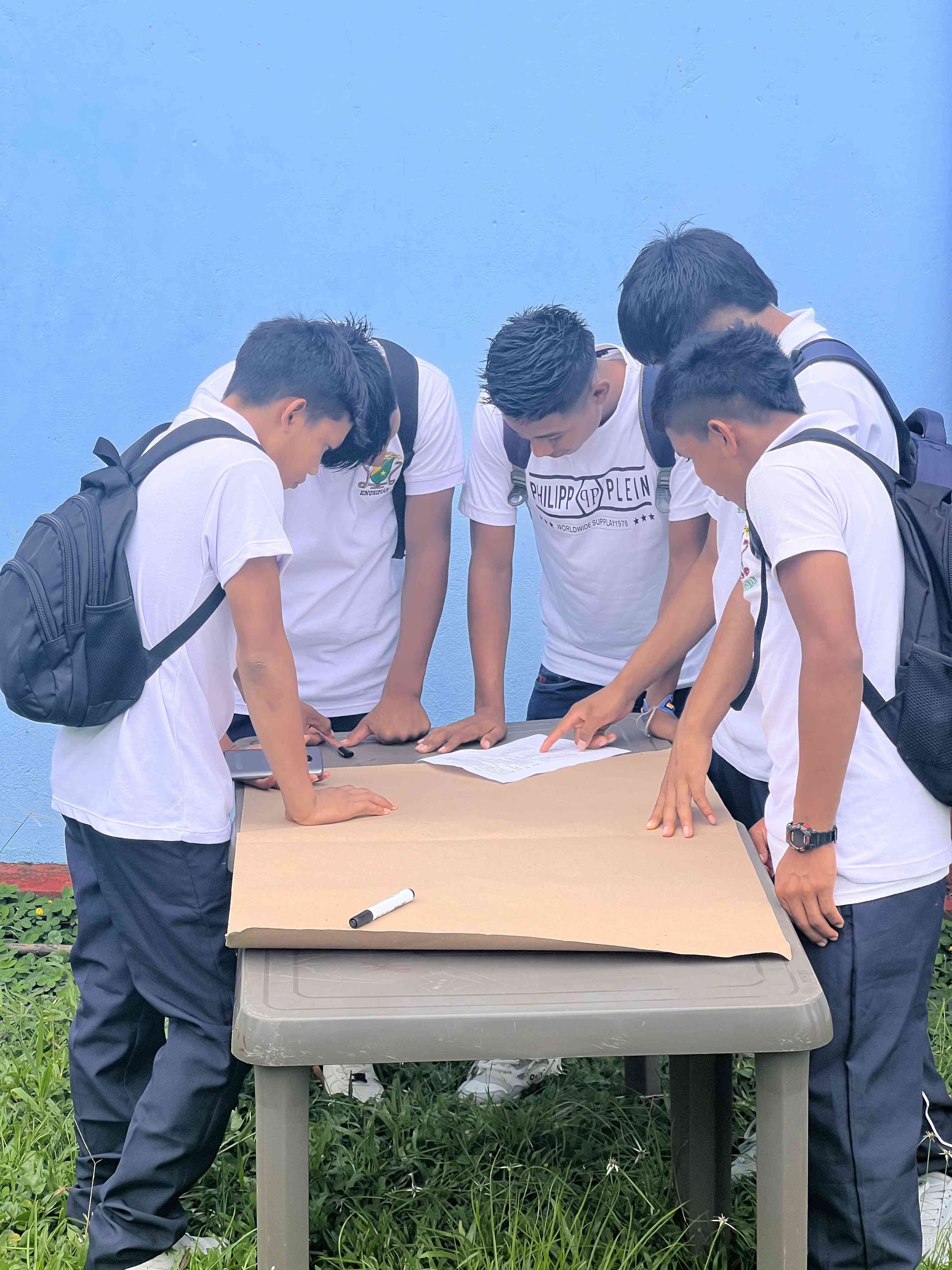
In contexts affected by conflict and/or institutional neglect, participatory methodologies should be incorporated into the project design. Projects that rely on top-down or pre-defined agendas risk rejection or superficial engagement, whereas participatory methods strengthen both social cohesion, and democratic outcomes. The project worked in municipalities with low social cohesion and high distrust towards external actors. The implementors of this project responded by holding preliminary dialogues with local stakeholders, enabling participants to define their own reporting agendas and more.

UDF-19-870-COL_3
Project Partner
Fundación para la Libertad de Prensa/ Press Freedom Foundation
Project Description

This strategic four-year project works to increase the presence of local news in rural areas of Colombia, so as to encourage civic participation, sound governance and democratic discussion. Building on previous projects the grantee has implemented for UNDEF, journalism labs will expand from two regions to four, bringing more media and digital literacy training programmes to community leaders and groups, women and young people; support post-training local content production and communication to ensure at least one monthly product on local issues; and build an experimental media and digital literacy programme for local schools. The project is highly relevant in the Covid-19 world and its aftermath, where the fight against disinformation and for freedom of information, media literacy and online safety will be crucial; and where it will be essential to advance understanding of the specific impact of the crisis on women and young people, ensuring that responses uphold their rights and are inclusive of their needs.

Evaluation Date
August 2025
Theme
Country
LESSON

Lesson Learned: Enabling National Initiatives to Take Democracy Beyond Elections

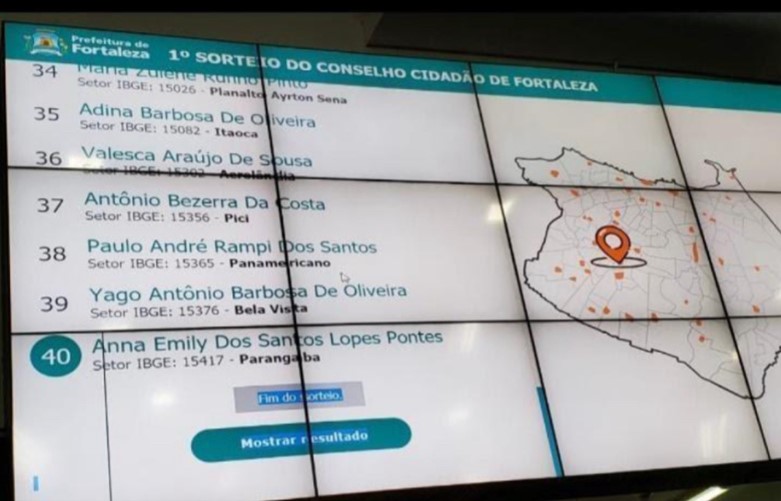
Adapting standardised models that are built on globally accepted principles to local contextual realities is essential for the successful implementation of deliberative democracy approaches. This extends to the selection of members and the approaches used to engage stakeholders and is most effectively done in partnership with a credible local organization that is interested in, or has a track record working on, similar initiatives. In this case UNDEF’s Implementing Partner chose to work with organizations and individuals with local connections and knowledge that complemented well its own practical experience with Citizen Assemblies.

Project Partner
The newDemocracy Foundation
Project Description

Making democracies more inclusive requires bold and innovative reforms to bring the young, the poor, and minorities into the political system. Some countries have piloted initiatives for assemblies on specific issues where members are not nominated by political parties but chosen at random for a limited term to represent all sectors of society, to prevent the formation of self-serving and self-perpetuating political classes disconnected from their electorates. The project aims to enable more countries to develop initiatives of this kind. It will develop and distribute a handbook on ‘Democracy Beyond Elections’ designed to show how nations at various levels of development can apply the principles of representation and deliberation in ways that are appropriate to their economic and educational circumstances. The project will fund three pilot projects to further the demonstration effect and produce a documentary based on one of these to demonstrate how deliberative democracy can work in practice. Among citizens, the project will work to build the sense that ordinary people are involved in making decisions that affect them, and thus to promote trust in Government. Among elected representatives, the project will work to stimulate a greater openness to complementary democratic models in which citizens explore and recommend policy solutions on key issues.

Evaluation Date
March 2025
LESSON

Lesson Learned: Enabling National Initiatives to Take Democracy Beyond Elections

To enhance sustainability and support the establishment of nascent deliberative democracy networks at country or regional level, partner selection is crucial as they should be the actors to take the approach forward in the aftermath of the project. In the selection of countries to pilot Citizen Assembly projects, primary consideration should be given to the existence of these organizations and their willingness, capacity and interest to advance the issue, as well as the wider attitude towards deliberative democracy models.

Project Partner
The newDemocracy Foundation
Project Description

Making democracies more inclusive requires bold and innovative reforms to bring the young, the poor, and minorities into the political system. Some countries have piloted initiatives for assemblies on specific issues where members are not nominated by political parties but chosen at random for a limited term to represent all sectors of society, to prevent the formation of self-serving and self-perpetuating political classes disconnected from their electorates. The project aims to enable more countries to develop initiatives of this kind. It will develop and distribute a handbook on ‘Democracy Beyond Elections’ designed to show how nations at various levels of development can apply the principles of representation and deliberation in ways that are appropriate to their economic and educational circumstances. The project will fund three pilot projects to further the demonstration effect and produce a documentary based on one of these to demonstrate how deliberative democracy can work in practice. Among citizens, the project will work to build the sense that ordinary people are involved in making decisions that affect them, and thus to promote trust in Government. Among elected representatives, the project will work to stimulate a greater openness to complementary democratic models in which citizens explore and recommend policy solutions on key issues.

Evaluation Date
March 2025
LESSON

Lesson Learned: Strengthening Gender-Responsive Local Government in Nepal

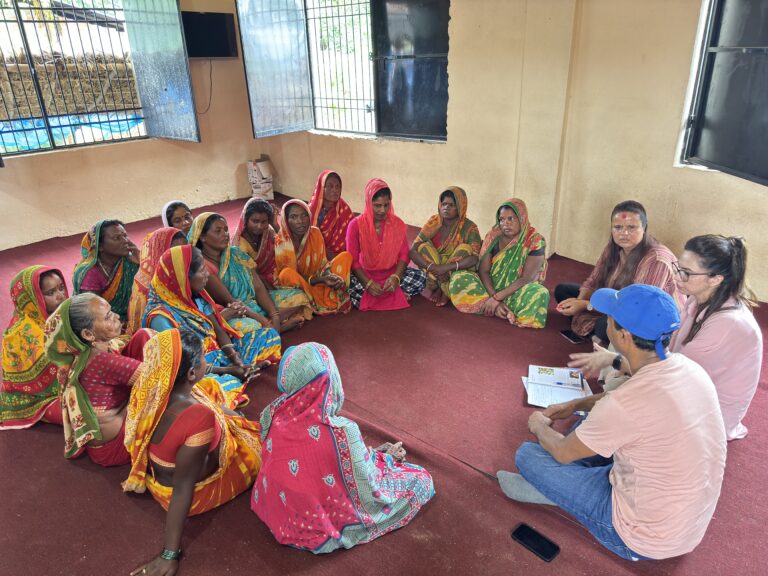
The project experience clearly indicates that in order to be impactful, the project design should involve multidimensional approaches that address both the practical and structural challenges, ranging from individual capacity gaps to overall gender discrimination and institutionalized exclusion, which constrain women’s voice, decision-making and leadership. In the present case, the Implementing Partner was successful in maintaining a dual focus on promoting women’s political participation through building women’s capacity and awareness of their rights and connecting them to key decision-making processes on the one hand and engaging with the Musahar community, particularly men, to address gender discrimination through sensitization sessions.

Project Partner
South Asia Partnership Nepal
Project Description

The project aims to empower Musahar women and strengthen their representation in local decision-making procedures for promoting gender-responsive local governance in two rural municipalities and two town municipalities. It will work through three main approaches:empowerment of Musahar women to claim their rights, accountability of local government authorities, and strengthening multi-stakeholder partnerships for gender-responsive local governance.

Evaluation Date
December 2024
Country
LESSON

Lesson Learned: Enhancing Women's Political Participation in Eswatini

A multi-level approach that engages stakeholders from the grassroots level to the institutional level ensures consistency and has a higher chance of success in enhancing women’s political participation. In this case, the project engaged rural communities, traditional leaders, electoral management bodies, public institutions, and the government. This comprehensive engagement enabled a concerted effort to enhance women’s political participation in the subsequent elections.

Project Partner
Women and Law in Southern Africa - Eswatini
Project Description

The project seeks to enhance the gender responsiveness of policies and practices in the electoral process in Eswatini by assisting stakeholders to develop gender responsive guidelines and educating citizens on the importance of women’s political participation, while empowering the female electorate with leadership skills, campaign and mobilization strategies. The project seeks to impart a long-term effect by enabling community-based paralegals to conduct gender equality sensitization talks at community level. Project activities will incorporate actions in response to the Covid-19 crisis, as it impacts women, including gender-based violence as well as social and economic pressures.

Evaluation Date
August 2024
Country
LESSON

Lesson Learned: Raising the Social and Political Profile of Youth in Mozambique

Integrating project activities with existing municipality initiatives involving youth has proven to be a successful strategy for ensuring project sustainability. In addition to creating new dialogue spaces between municipal authorities and youth, this project leveraged existing platforms, such as annual meetings with the local councilors, to include youth consultation in the municipal annual activity plans. This approach fostered stronger youth participation following the project capacity-building activities.
Project Partner
Associação Gender Links Moçambique
Project Description
The project supports young people's participation in local and national issues by developing youth councils and youth councilor training workshops. Young people will have their voices heard on key social and political platforms, and will be better represented at the center of local and national policies and decision-making, within and outside selected councils. Project activities incorporate actions in response to the Covid-19 crisis as it impacts youth.
Evaluation Date
April 2024
Country
LESSON

Lesson Learned: Monitoring Implementation of UN Treaty Bodies’ Recommendations in Morocco

Projects that require input from key decision-makers (e.g., members of parliament) can start at the national level and then trickle to the grassroots level, for more impact. In this case, input from the grassroots level assured nuances in project activities and addressed different local needs, but project sustainability and impact were assured through the critical work with high-level decision makers.

Project Partner
Médiateur pour la Démocratie et les Droits de l’Homme
Project Description

The project’s objective is to support in an inclusive way the monitoring of governmental efforts to implement UN treaty body recommendations, by bringing together civil society organizations and parliamentary actors to develop a monitoring mechanism; conducting a capacity development programme on international human rights law, monitoring, and advocacy in four regions; and mobilizing legislators to effectively exercise their roles and responsibilities in holding the government accountable for its commitments to implement UN treaty body recommendations.

Evaluation Date
February 2024
Country
LESSON

Lesson Learned: Tracking Campaign Promises in Albania

One of the main problems of this project was that its design robustness could have been reinforced by a more detailed and comprehensive needs assessment in smaller vs. bigger municipalities in order to avoid obsolescence in some big municipalities. Consequently, inappropriate and generalised needs assessments that lead to a “one size fits all” approach can negatively affect the impact’s likelihood.

Project Partner
Regional Development Agency Korce
Project Description
The project will help Albanian people to track promises made by politicians by providing Albanian citizens, CSOs and Media with tools to fact-check the implementation of their promises on-the-ground. Through a “truth-o-meter” web/app platform and through data checking and reporting, the project will hold 201 public officials/politicians in Albania accountable for their promises with the final aim to strengthen democracy and rule of law in Albania. Through simplified versions of municipal budgets made accessible as “citizens’ budgets”, citizens will be able to evaluate and take decisions affecting the future of those politicians that are in charge of taking decisions at local or national level.
Evaluation Date
January 2023
Country
LESSON

Lesson Learned: Tracking Campaign Promises in Albania

Given the high relevance and importance of the “truth-o-meter”, the design should have paid more attention (and allocate the necessary resources) to the promotion and communication of the tool and the results. There could have been public conferences and/or round tables with all concerned MPs, CSOs, communities, and media to discuss findings and generate public debates. Therefore, promoting innovative tools to a wide range of stakeholders is as important as their development, otherwise the impact of such tools remains limited and untapped.

Project Partner
Regional Development Agency Korce
Project Description
The project will help Albanian people to track promises made by politicians by providing Albanian citizens, CSOs and Media with tools to fact-check the implementation of their promises on-the-ground. Through a “truth-o-meter” web/app platform and through data checking and reporting, the project will hold 201 public officials/politicians in Albania accountable for their promises with the final aim to strengthen democracy and rule of law in Albania. Through simplified versions of municipal budgets made accessible as “citizens’ budgets”, citizens will be able to evaluate and take decisions affecting the future of those politicians that are in charge of taking decisions at local or national level.
Evaluation Date
January 2023
Country
LESSON

Lesson Learned: Support for Elections in the Niger Delta Region of Nigeria

Ensuring that an election focused project starts significantly before polling day can make it easier to implement (as there will be less pressure on the time of key election stakeholders) and can allow for pre-election elements, such as primaries and campaigns, to be targeted.
Project Partner
Stakeholder Democracy Network
Project Description
Elections in Nigeria, and especially in its oil-producing Niger Delta states, have in the past been disputed and given rise to violence. One of these states, Bayelsa, is due to choose a new governor in 2020 in what is expected to be a hotly contested election. The project seeks to minimize the risk of dispute and help to ensure the election is free, fair, and credible. It will support the Independent Nigerian Electoral Commission to train staff engaged to oversee polling in at-risk areas in the procedures necessary to do so effectively. It will support the creation of a database to register party political agents in three areas, reducing the risk of unidentifiable persons engaging in illegal political activity. Activities will also include voter education across the target areas, aiming to reach 1,350 citizens in workshops and 170,000 via a public campaign, seeking to inform citizens on how to prevent votes from being stolen or manipulated.
Evaluation Date
August 2021
Country