inclusion

LESSON

Lesson Learned: Enabling Local Information and Media Literacy for a Better-Informed Society in Colombia

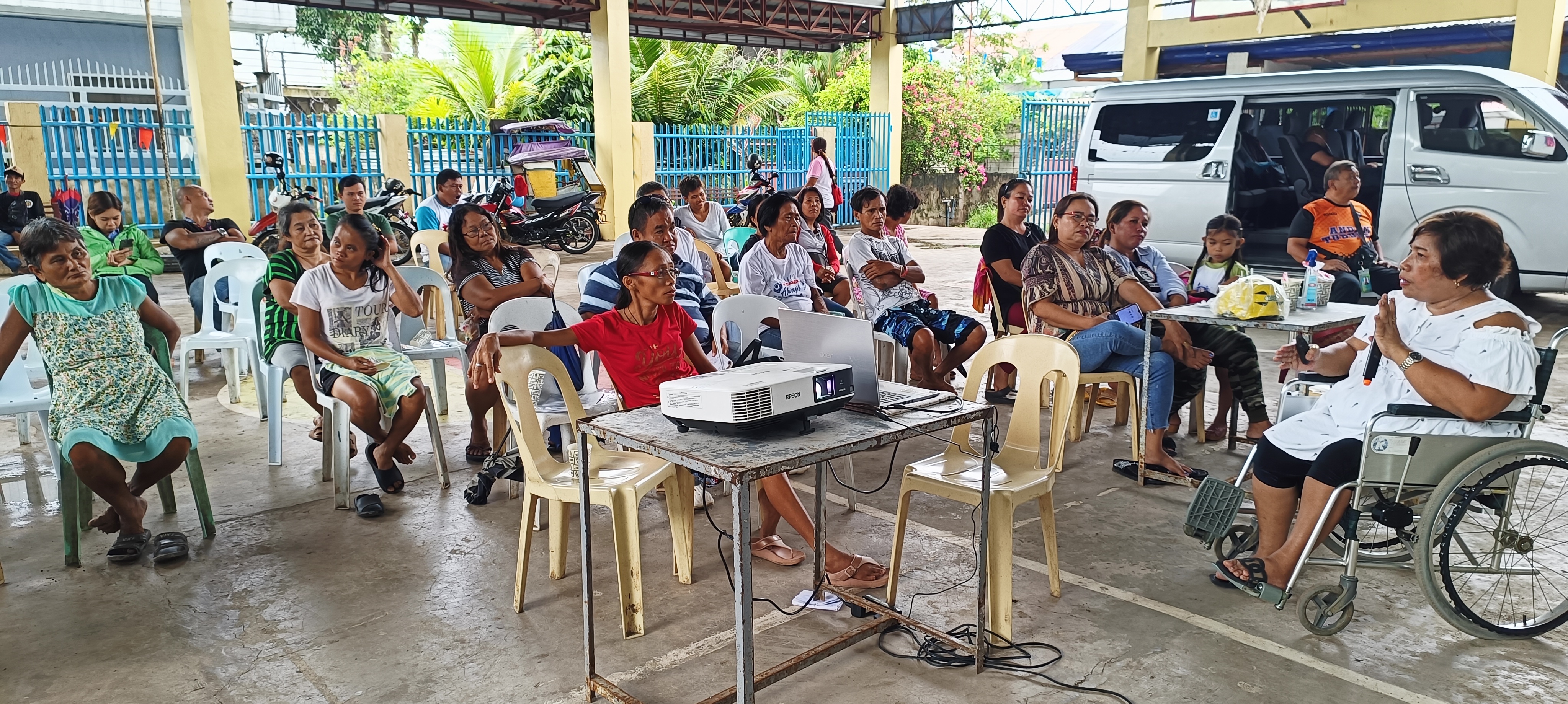
Projects should be designed to be adaptable, flexible, and sensitive to the context(s) in which they take place – especially when a project operates across territorially or culturally differentiated contexts. In this project, the use of intercultural and gender-sensitive methodologies such as differentiated accompaniment in Indigenous communities and allowing women to participate in sessions with children addressed different linguistic, cultural, and gender-related barriers. Additionally, challenges related to limited digital connectivity were mitigated through flexible delivery methods (print materials, WhatsApp and phone calls, recorded sessions).

UDF-19-870-COL_1
Project Partner
Fundación para la Libertad de Prensa/ Press Freedom Foundation
Project Description

This strategic four-year project works to increase the presence of local news in rural areas of Colombia, so as to encourage civic participation, sound governance and democratic discussion. Building on previous projects the grantee has implemented for UNDEF, journalism labs will expand from two regions to four, bringing more media and digital literacy training programmes to community leaders and groups, women and young people; support post-training local content production and communication to ensure at least one monthly product on local issues; and build an experimental media and digital literacy programme for local schools. The project is highly relevant in the Covid-19 world and its aftermath, where the fight against disinformation and for freedom of information, media literacy and online safety will be crucial; and where it will be essential to advance understanding of the specific impact of the crisis on women and young people, ensuring that responses uphold their rights and are inclusive of their needs.

Evaluation Date
August 2025
Theme
Country
LESSON

Lesson Learned: Enabling Local Information and Media Literacy for a Better-Informed Society in Colombia

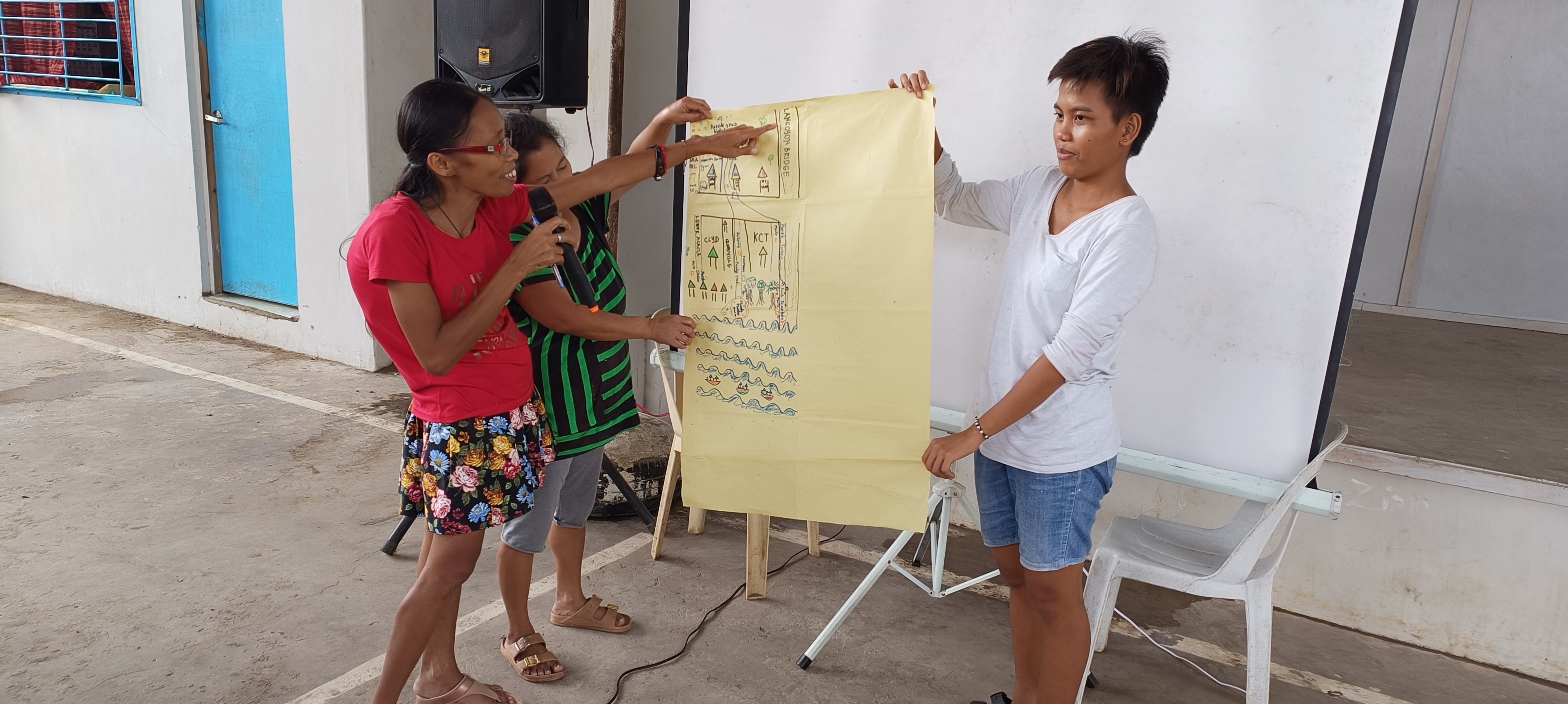
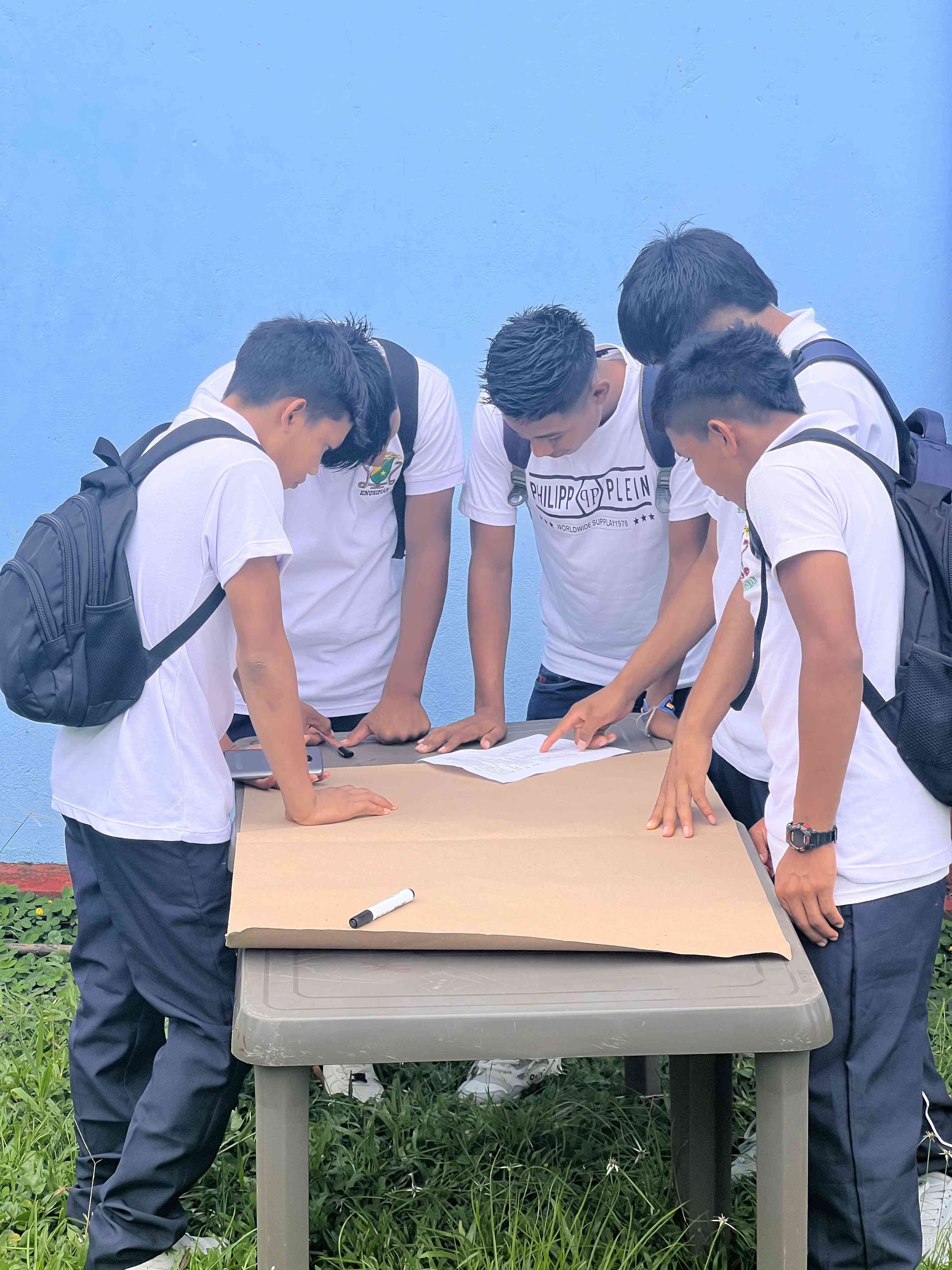
In contexts affected by conflict and/or institutional neglect, participatory methodologies should be incorporated into the project design. Projects that rely on top-down or pre-defined agendas risk rejection or superficial engagement, whereas participatory methods strengthen both social cohesion, and democratic outcomes. The project worked in municipalities with low social cohesion and high distrust towards external actors. The implementors of this project responded by holding preliminary dialogues with local stakeholders, enabling participants to define their own reporting agendas and more.

UDF-19-870-COL_3
Project Partner
Fundación para la Libertad de Prensa/ Press Freedom Foundation
Project Description

This strategic four-year project works to increase the presence of local news in rural areas of Colombia, so as to encourage civic participation, sound governance and democratic discussion. Building on previous projects the grantee has implemented for UNDEF, journalism labs will expand from two regions to four, bringing more media and digital literacy training programmes to community leaders and groups, women and young people; support post-training local content production and communication to ensure at least one monthly product on local issues; and build an experimental media and digital literacy programme for local schools. The project is highly relevant in the Covid-19 world and its aftermath, where the fight against disinformation and for freedom of information, media literacy and online safety will be crucial; and where it will be essential to advance understanding of the specific impact of the crisis on women and young people, ensuring that responses uphold their rights and are inclusive of their needs.

Evaluation Date
August 2025
Theme
Country
LESSON

Lesson Learned: Strengthening Independent Media in the Arab Region

An alternative strategy to foster more impactful and sustainable practices among media and civic actors in multi-country projects is to focus on specific themes of common interest, such as climate justice and gender or minority rights (which figured prominently in this project) across countries. Not only would this allow for the design of catered trainings, skill-and-capacity-building activities that focus on specific human rights areas but would sustain the network of journalists and civic actors focused on common interests regionally and internationally. In this case, project participants from different countries have been able to share experience, lessons, barriers, and solutions resulting in productive media outputs.

Project Partner
Journalist for Human Rights
Project Description

The project aims to strengthen independent media in the Arab region so as to build greater accountability and better governance, by improving the working environment for journalists; advancing media freedom and accessible information and data; enhancing the capacity of freelance and full-time journalists to cover sensitive human rights stories; and improving journalists’ legal knowledge through strong working partnerships with civic actors. Project activities also incorporate responses to the Covid-19 crisis for journalists on the front line.

Evaluation Date
February 2025
Theme
LESSON

Lesson Learned: Strengthening Gender-Responsive Local Government in Nepal

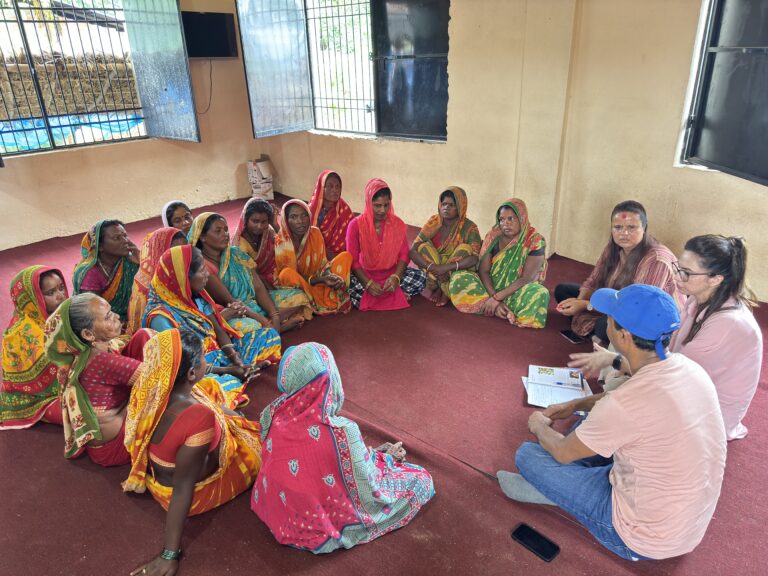
Strategic engagement with the media can yield good results in amplifying voices of the marginalized, providing them with a platform to address wider audience to promote gender responsive and inclusive local governance and development. In the present case, the project engaged the media successfully to widely disseminate the project initiatives as well as leverage it as an accountability mechanism for following up with government officials on their promised actions in promoting inclusive local governance.

Project Partner
South Asia Partnership Nepal
Project Description

The project aims to empower Musahar women and strengthen their representation in local decision-making procedures for promoting gender-responsive local governance in two rural municipalities and two town municipalities. It will work through three main approaches:empowerment of Musahar women to claim their rights, accountability of local government authorities, and strengthening multi-stakeholder partnerships for gender-responsive local governance.

Evaluation Date
December 2024
Country
LESSON

Lesson Learned: Strengthening Gender-Responsive Local Government in Nepal

An effective way to address the structural barriers that marginalized women may face in accessing formal political space, is to start with building localized platforms and relevant capacities and gradually scaling up the effort to connect to formal institutional structures. In the present project, this was demonstrated successfully by the creation of the local Women Musahar Empowerment Forums which were eventually scaled up to district-level platforms as well as connected to the National Musahar Association.

Project Partner
South Asia Partnership Nepal
Project Description

The project aims to empower Musahar women and strengthen their representation in local decision-making procedures for promoting gender-responsive local governance in two rural municipalities and two town municipalities. It will work through three main approaches:empowerment of Musahar women to claim their rights, accountability of local government authorities, and strengthening multi-stakeholder partnerships for gender-responsive local governance.

Evaluation Date
December 2024
Country
LESSON

Lesson Learned: Strengthening Gender-Responsive Local Government in Nepal

As the project experience indicates, engaging a community representative organization like the National Musahar Association is an effective strategy to build trust and gain access to the community focused on by the project.

Project Partner
South Asia Partnership Nepal
Project Description

The project aims to empower Musahar women and strengthen their representation in local decision-making procedures for promoting gender-responsive local governance in two rural municipalities and two town municipalities. It will work through three main approaches:empowerment of Musahar women to claim their rights, accountability of local government authorities, and strengthening multi-stakeholder partnerships for gender-responsive local governance.

Evaluation Date
December 2024
Country
LESSON

Lesson Learned: Strengthening Gender-Responsive Local Government in Nepal

The project experience clearly indicates that in order to be impactful, the project design should involve multidimensional approaches that address both the practical and structural challenges, ranging from individual capacity gaps to overall gender discrimination and institutionalized exclusion, which constrain women’s voice, decision-making and leadership. In the present case, the Implementing Partner was successful in maintaining a dual focus on promoting women’s political participation through building women’s capacity and awareness of their rights and connecting them to key decision-making processes on the one hand and engaging with the Musahar community, particularly men, to address gender discrimination through sensitization sessions.

Project Partner
South Asia Partnership Nepal
Project Description

The project aims to empower Musahar women and strengthen their representation in local decision-making procedures for promoting gender-responsive local governance in two rural municipalities and two town municipalities. It will work through three main approaches:empowerment of Musahar women to claim their rights, accountability of local government authorities, and strengthening multi-stakeholder partnerships for gender-responsive local governance.

Evaluation Date
December 2024
Country
LESSON

Lesson Learned: Strengthening Gender-Responsive Local Government in Nepal

Supporting government institutions in becoming gender responsive and inclusive requires substantial efforts in institutional capacity building through sensitization, training and equipping government officials with tools and skills to carry out gender responsive planning and governance. In the present project, while the project was successful in sensitizing local government officials, focused institutional capacity building could have contributed to a more impactful and sustainable change.

Project Partner
South Asia Partnership Nepal
Project Description

The project aims to empower Musahar women and strengthen their representation in local decision-making procedures for promoting gender-responsive local governance in two rural municipalities and two town municipalities. It will work through three main approaches:empowerment of Musahar women to claim their rights, accountability of local government authorities, and strengthening multi-stakeholder partnerships for gender-responsive local governance.

Evaluation Date
December 2024
Country
LESSON

Lesson Learned: Enhancing Women's Political Participation in Eswatini

Community sensitization via WhatsApp proved less effective than face-to-face meetings, as it excluded individuals without smartphones and those with lower levels of literacy. Due to the COVID-19 lockdown, the project adapted community sensitization meetings to a remote format. The grantee produced brief videos on gender equality and the importance of women’s participation in decision-making processes, disseminating these to project beneficiaries. While this method ensured the continuation of project activities during the lockdown, it is not recommended as a model for replication, except in similar situations where in-person engagement is unfeasible, as it failed to effectively reach all community members.

Project Partner
Women and Law in Southern Africa - Eswatini
Project Description

The project seeks to enhance the gender responsiveness of policies and practices in the electoral process in Eswatini by assisting stakeholders to develop gender responsive guidelines and educating citizens on the importance of women’s political participation, while empowering the female electorate with leadership skills, campaign and mobilization strategies. The project seeks to impart a long-term effect by enabling community-based paralegals to conduct gender equality sensitization talks at community level. Project activities will incorporate actions in response to the Covid-19 crisis, as it impacts women, including gender-based violence as well as social and economic pressures.

Evaluation Date
August 2024
Country
LESSON

Lesson Learned: Enhancing Women's Political Participation in Eswatini

A multi-level approach that engages stakeholders from the grassroots level to the institutional level ensures consistency and has a higher chance of success in enhancing women’s political participation. In this case, the project engaged rural communities, traditional leaders, electoral management bodies, public institutions, and the government. This comprehensive engagement enabled a concerted effort to enhance women’s political participation in the subsequent elections.

Project Partner
Women and Law in Southern Africa - Eswatini
Project Description

The project seeks to enhance the gender responsiveness of policies and practices in the electoral process in Eswatini by assisting stakeholders to develop gender responsive guidelines and educating citizens on the importance of women’s political participation, while empowering the female electorate with leadership skills, campaign and mobilization strategies. The project seeks to impart a long-term effect by enabling community-based paralegals to conduct gender equality sensitization talks at community level. Project activities will incorporate actions in response to the Covid-19 crisis, as it impacts women, including gender-based violence as well as social and economic pressures.

Evaluation Date
August 2024
Country