Colombia

LESSON

Lesson Learned: Enabling Local Information and Media Literacy for a Better-Informed Society in Colombia

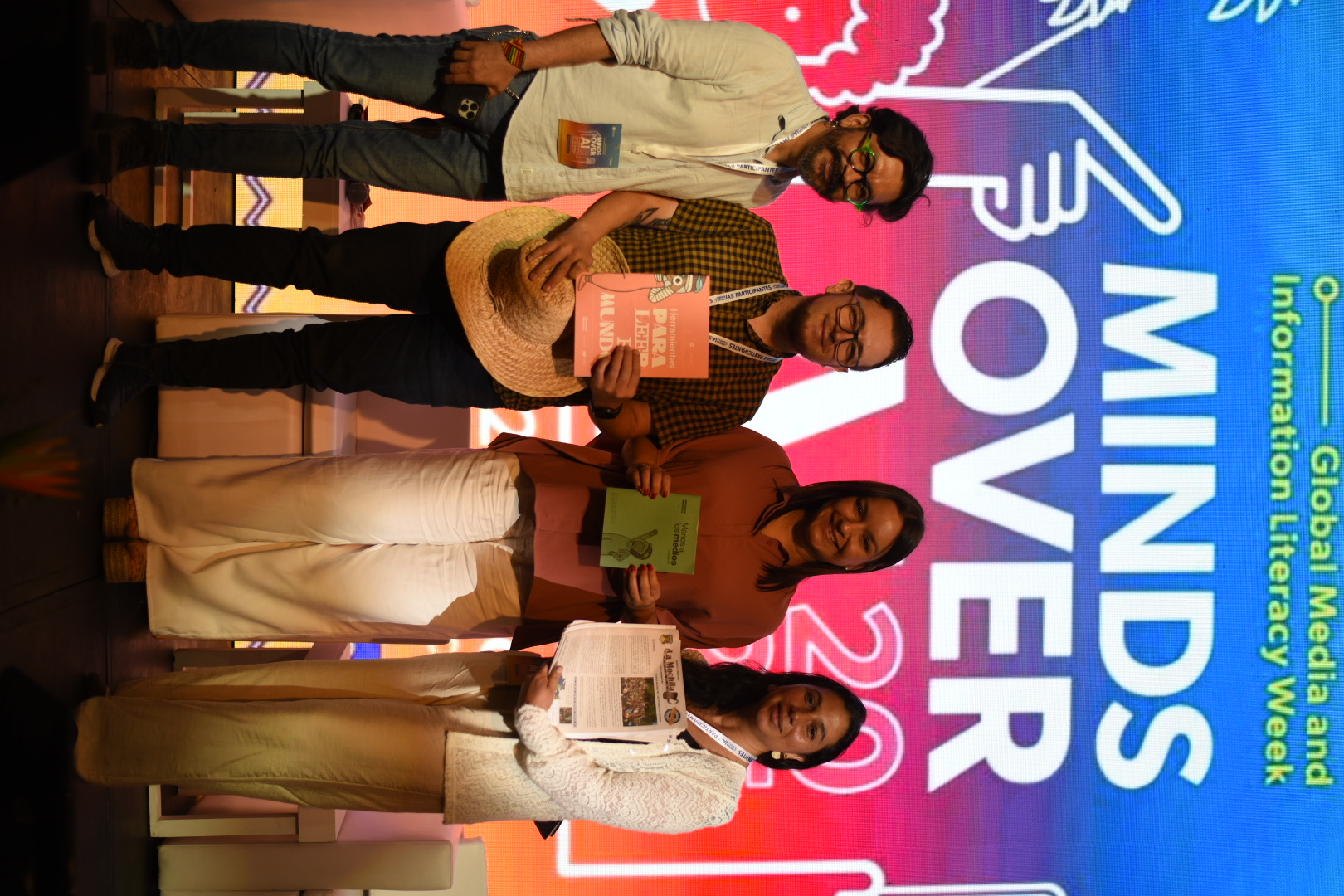
Long-term sustainability and efficiency of a project is dependent on a building a strong network of partnerships with relevant actors such as civil society organisations, schools, and community media. Building and leaning on strong partnerships can allow projects to build on existing initiatives rather than act in isolation, duplicate efforts, and ensure longer-term funding and support from relevant actors. For example, in this project a Training-of-Trainers approach through partnering with academic institutions to implement a diploma in an academic setting could have ensured the programme’s continuation to train new cohorts of teachers and expanded its national reach. Additionally, supporting projects to develop independent income streams through partnerships with government agencies, philanthropies, or private actors could work to reduce dependence on stipends in the long-term.

UDF-19-870-COL_4
Project Partner
Fundación para la Libertad de Prensa/ Press Freedom Foundation
Project Description

This strategic four-year project works to increase the presence of local news in rural areas of Colombia, so as to encourage civic participation, sound governance and democratic discussion. Building on previous projects the grantee has implemented for UNDEF, journalism labs will expand from two regions to four, bringing more media and digital literacy training programmes to community leaders and groups, women and young people; support post-training local content production and communication to ensure at least one monthly product on local issues; and build an experimental media and digital literacy programme for local schools. The project is highly relevant in the Covid-19 world and its aftermath, where the fight against disinformation and for freedom of information, media literacy and online safety will be crucial; and where it will be essential to advance understanding of the specific impact of the crisis on women and young people, ensuring that responses uphold their rights and are inclusive of their needs.

Evaluation Date
August 2025
Theme
Country
LESSON

Lesson Learned: Enabling Local Information and Media Literacy for a Better-Informed Society in Colombia

The strategic selection of municipalities and/or participants can significantly increase the relevance and impact of a project. This project not only prioritized information deserts but focused on working with participants that demonstrated a strong willingness to engage, as well as strong embeddedness in community structures. The participants recruited reflected the diversity of local leadership that already held influence in their communities, including teachers, Indigenous communicators, women leaders, youth activists, and community organizers.

UDF-19-870-COL_2
Project Partner
Fundación para la Libertad de Prensa/ Press Freedom Foundation
Project Description

This strategic four-year project works to increase the presence of local news in rural areas of Colombia, so as to encourage civic participation, sound governance and democratic discussion. Building on previous projects the grantee has implemented for UNDEF, journalism labs will expand from two regions to four, bringing more media and digital literacy training programmes to community leaders and groups, women and young people; support post-training local content production and communication to ensure at least one monthly product on local issues; and build an experimental media and digital literacy programme for local schools. The project is highly relevant in the Covid-19 world and its aftermath, where the fight against disinformation and for freedom of information, media literacy and online safety will be crucial; and where it will be essential to advance understanding of the specific impact of the crisis on women and young people, ensuring that responses uphold their rights and are inclusive of their needs.

Evaluation Date
August 2025
Theme
Country
LESSON

Lesson Learned: Enabling Local Information and Media Literacy for a Better-Informed Society in Colombia

The impact of this project could be amplified through strategic communication and advocacy efforts. Stories that illustrate the transformative impact of local journalism on governance and community empowerment can serve as strong advocacy tools to expand the reach of local initiatives. Through collaboration with mainstream outlets or national journalism forums, the experiences of communities could even influence national policy discussions.

UDF-19-870-COL_5
Project Partner
Fundación para la Libertad de Prensa/ Press Freedom Foundation
Project Description

This strategic four-year project works to increase the presence of local news in rural areas of Colombia, so as to encourage civic participation, sound governance and democratic discussion. Building on previous projects the grantee has implemented for UNDEF, journalism labs will expand from two regions to four, bringing more media and digital literacy training programmes to community leaders and groups, women and young people; support post-training local content production and communication to ensure at least one monthly product on local issues; and build an experimental media and digital literacy programme for local schools. The project is highly relevant in the Covid-19 world and its aftermath, where the fight against disinformation and for freedom of information, media literacy and online safety will be crucial; and where it will be essential to advance understanding of the specific impact of the crisis on women and young people, ensuring that responses uphold their rights and are inclusive of their needs.

Evaluation Date
August 2025
Theme
Country
LESSON

Lesson Learned: Enabling Local Information and Media Literacy for a Better-Informed Society in Colombia

In contexts affected by conflict and/or institutional neglect, participatory methodologies should be incorporated into the project design. Projects that rely on top-down or pre-defined agendas risk rejection or superficial engagement, whereas participatory methods strengthen both social cohesion, and democratic outcomes. The project worked in municipalities with low social cohesion and high distrust towards external actors. The implementors of this project responded by holding preliminary dialogues with local stakeholders, enabling participants to define their own reporting agendas and more.

UDF-19-870-COL_3
Project Partner
Fundación para la Libertad de Prensa/ Press Freedom Foundation
Project Description

This strategic four-year project works to increase the presence of local news in rural areas of Colombia, so as to encourage civic participation, sound governance and democratic discussion. Building on previous projects the grantee has implemented for UNDEF, journalism labs will expand from two regions to four, bringing more media and digital literacy training programmes to community leaders and groups, women and young people; support post-training local content production and communication to ensure at least one monthly product on local issues; and build an experimental media and digital literacy programme for local schools. The project is highly relevant in the Covid-19 world and its aftermath, where the fight against disinformation and for freedom of information, media literacy and online safety will be crucial; and where it will be essential to advance understanding of the specific impact of the crisis on women and young people, ensuring that responses uphold their rights and are inclusive of their needs.

Evaluation Date
August 2025
Theme
Country
LESSON

Lesson Learned: Enabling Local Information and Media Literacy for a Better-Informed Society in Colombia

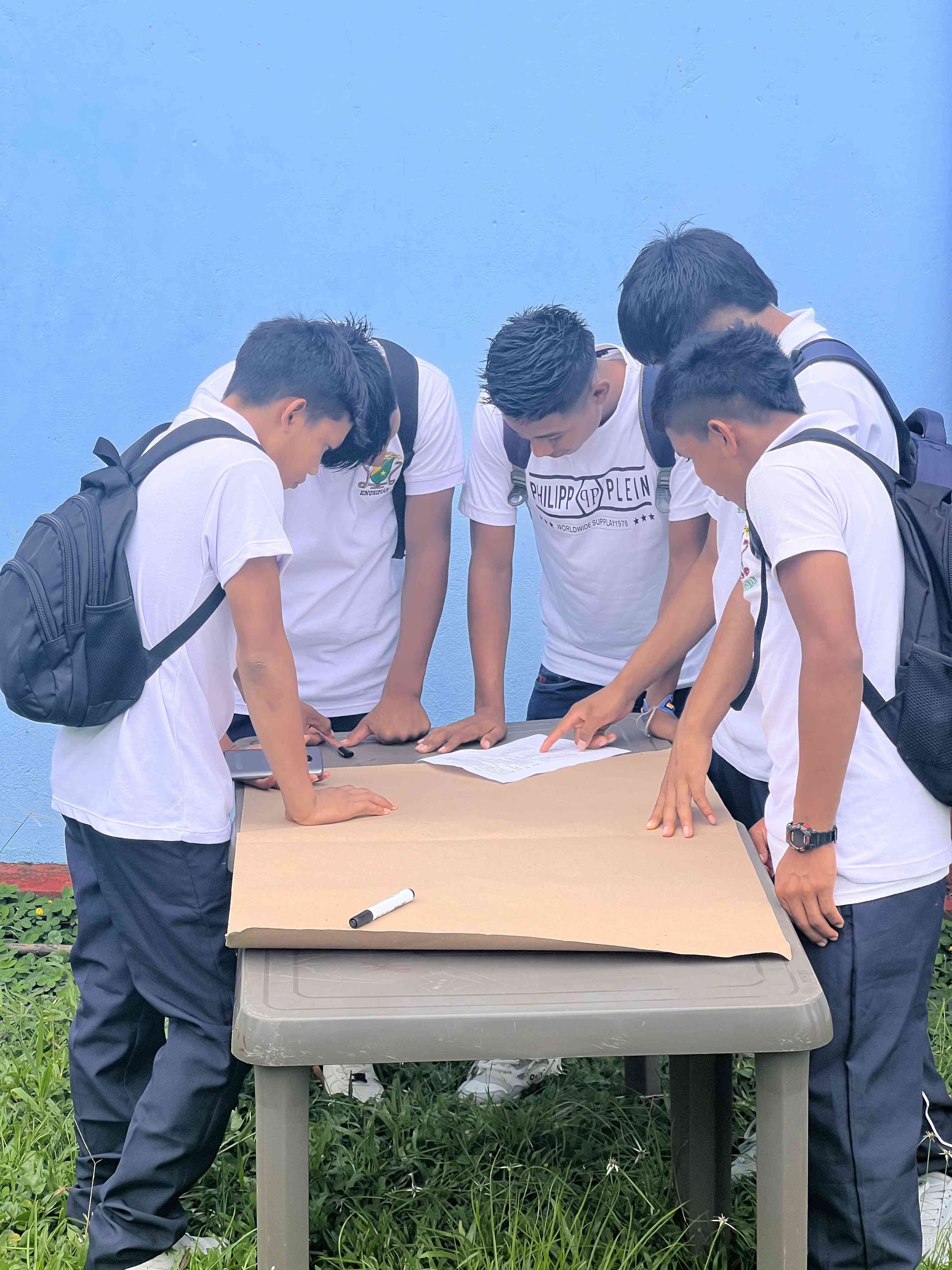
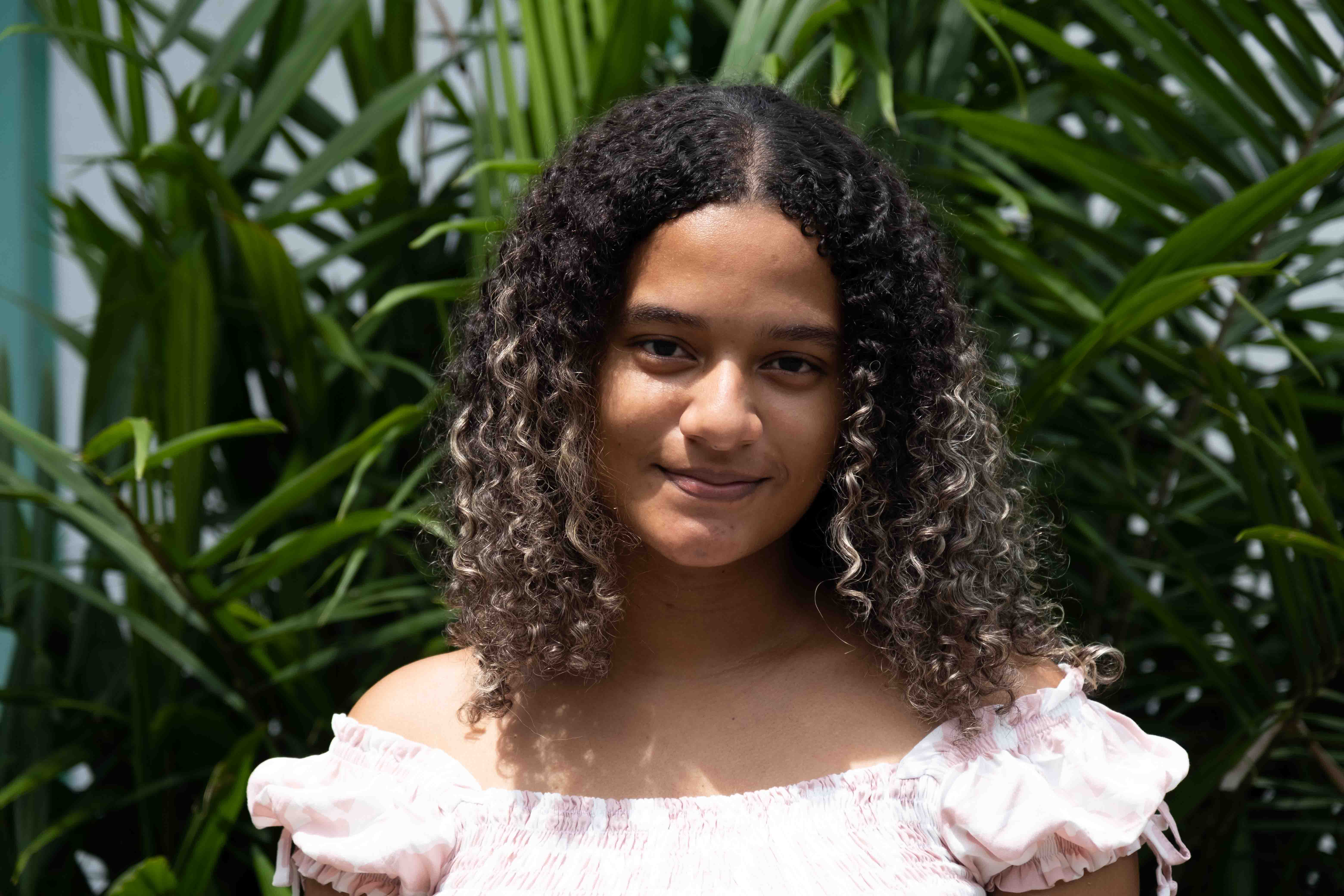
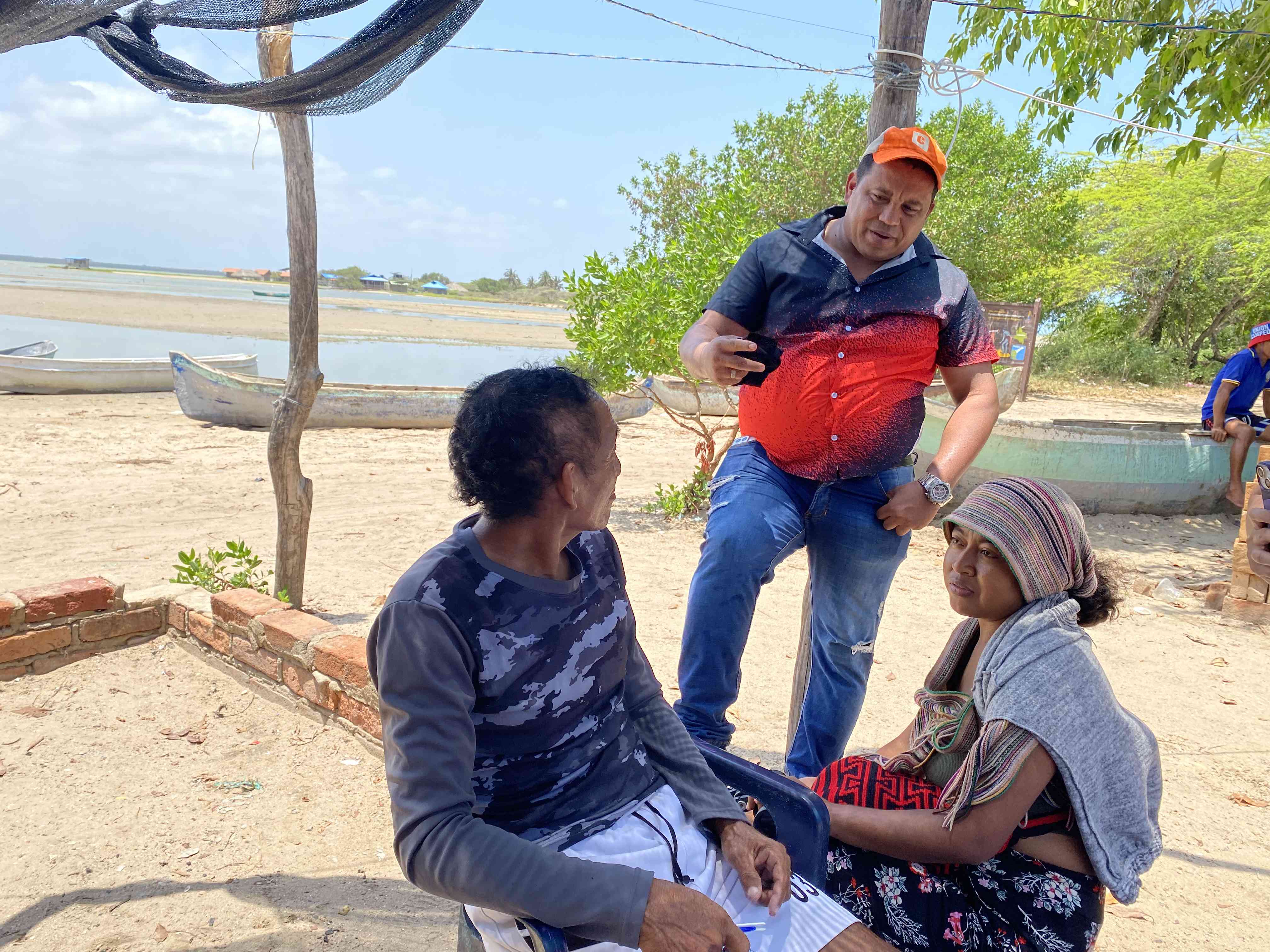
Projects should be designed to be adaptable, flexible, and sensitive to the context(s) in which they take place – especially when a project operates across territorially or culturally differentiated contexts. In this project, the use of intercultural and gender-sensitive methodologies such as differentiated accompaniment in Indigenous communities and allowing women to participate in sessions with children addressed different linguistic, cultural, and gender-related barriers. Additionally, challenges related to limited digital connectivity were mitigated through flexible delivery methods (print materials, WhatsApp and phone calls, recorded sessions).
UDF-19-870-COL_1
Project Partner
Fundación para la Libertad de Prensa/ Press Freedom Foundation
Project Description

This strategic four-year project works to increase the presence of local news in rural areas of Colombia, so as to encourage civic participation, sound governance and democratic discussion. Building on previous projects the grantee has implemented for UNDEF, journalism labs will expand from two regions to four, bringing more media and digital literacy training programmes to community leaders and groups, women and young people; support post-training local content production and communication to ensure at least one monthly product on local issues; and build an experimental media and digital literacy programme for local schools. The project is highly relevant in the Covid-19 world and its aftermath, where the fight against disinformation and for freedom of information, media literacy and online safety will be crucial; and where it will be essential to advance understanding of the specific impact of the crisis on women and young people, ensuring that responses uphold their rights and are inclusive of their needs.
Evaluation Date
August 2025
Theme
Country
LESSON

Lesson Learned: Strengthening Democracy through Freedom of Expression and Peace Agenda for Journalists in Colombia (Colombia)

Projects related to a peace process, or other sensitive volatile context-related projects, may require “thinking the unthinkable”. Be innovative but include relevant mitigation measures in planning from the earliest stage. To ensure innovative and creative thinking processes to identify risks, to challenge received wisdom, and apply flexibility to problem-solving.
Project Partner
Fundación para la Libertad de Prensa/Press Freedom Foundation
Project Description
The project “Strengthening Democracy through Freedom of Expression and a Peace Agenda for Journalists in a post-conflict Colombia” was implemented by the Foundation for the Freedom of the Press (Fundación para la Libertad de Prensa, FLIP) from 1 December 2014 to 30 November 2016. The overall development goal of the project was to create an agenda where the right to freedom of expression can be fully realized and to build a strong media network that can advocate in a post-conflict Colombia without retaliation or restriction. The project coincided with the culmination of the peace negotiations in Havana between the Government of Colombia and the Revolutionary Armed Forces of Colombia – People’s Army (FARC), with the Final Peace Agreement ratified in November 2016.  The project had three outcomes: increased participation of Colombian journalists and civil society in an open, plural and democratic debate about the challenges and the role of media in a post-conflict peace time Colombia;increased awareness among the Government, FARC and civil society of the impact conflict has had on the media’s ability to exercise the freedom of expression; and increased understanding among journalists in conflict zones on thematic areas related to their work.  The project aimed at reaching the following two main groups of beneficiaries: journalists operating in conflict areas2 who would be actively engaged in the process of developing an Agenda for the Freedom of the Press and Peace; and other journalists with online access (through FLIP’s website) to documented resources/tools
Evaluation Date
August 2017
Theme
Country
LESSON

Lesson Learned: Strengthening Democracy through Freedom of Expression and Peace Agenda for Journalists in Colombia (Colombia)

The project has been of strategic importance to the grantee. The grant enabled them to produce new work and raise new issues and priorities that have served as a catalyst - originally unintended - to develop into more of a think tank, through its new Centre of Studies, without losing its core mission of support and protection for journalists at risk or under threat. This has enhanced its standing with the Government of Colombia as a “consultant body”.

Project Partner
Fundación para la Libertad de Prensa/Press Freedom Foundation
Project Description
The project “Strengthening Democracy through Freedom of Expression and a Peace Agenda for Journalists in a post-conflict Colombia” was implemented by the Foundation for the Freedom of the Press (Fundación para la Libertad de Prensa, FLIP) from 1 December 2014 to 30 November 2016. The overall development goal of the project was to create an agenda where the right to freedom of expression can be fully realized and to build a strong media network that can advocate in a post-conflict Colombia without retaliation or restriction. The project coincided with the culmination of the peace negotiations in Havana between the Government of Colombia and the Revolutionary Armed Forces of Colombia – People’s Army (FARC), with the Final Peace Agreement ratified in November 2016.  The project had three outcomes: increased participation of Colombian journalists and civil society in an open, plural and democratic debate about the challenges and the role of media in a post-conflict peace time Colombia;increased awareness among the Government, FARC and civil society of the impact conflict has had on the media’s ability to exercise the freedom of expression; and increased understanding among journalists in conflict zones on thematic areas related to their work.  The project aimed at reaching the following two main groups of beneficiaries: journalists operating in conflict areas2 who would be actively engaged in the process of developing an Agenda for the Freedom of the Press and Peace; and other journalists with online access (through FLIP’s website) to documented resources/tools
Evaluation Date
August 2017
Theme
Country
LESSON

Lesson Learned: Strengthening Democracy through Freedom of Expression and Peace Agenda for Journalists in Colombia (Colombia)

In the event of exceptional external circumstances – such as a peace agreement being delayed - production and/or dissemination of key outputs should be re-examined to ensure that timing is appropriate.
Project Partner
Fundación para la Libertad de Prensa/Press Freedom Foundation
Project Description
The project “Strengthening Democracy through Freedom of Expression and a Peace Agenda for Journalists in a post-conflict Colombia” was implemented by the Foundation for the Freedom of the Press (Fundación para la Libertad de Prensa, FLIP) from 1 December 2014 to 30 November 2016. The overall development goal of the project was to create an agenda where the right to freedom of expression can be fully realized and to build a strong media network that can advocate in a post-conflict Colombia without retaliation or restriction. The project coincided with the culmination of the peace negotiations in Havana between the Government of Colombia and the Revolutionary Armed Forces of Colombia – People’s Army (FARC), with the Final Peace Agreement ratified in November 2016.  The project had three outcomes: increased participation of Colombian journalists and civil society in an open, plural and democratic debate about the challenges and the role of media in a post-conflict peace time Colombia;increased awareness among the Government, FARC and civil society of the impact conflict has had on the media’s ability to exercise the freedom of expression; and increased understanding among journalists in conflict zones on thematic areas related to their work.  The project aimed at reaching the following two main groups of beneficiaries: journalists operating in conflict areas2 who would be actively engaged in the process of developing an Agenda for the Freedom of the Press and Peace; and other journalists with online access (through FLIP’s website) to documented resources/tools
Evaluation Date
August 2017
Theme
Country
LESSON

Lesson Learned: Strengthening Democracy through Freedom of Expression and Peace Agenda for Journalists in Colombia (Colombia)

When implementing projects with multiple activities combining logistical, analytical and presentational challenges, strong co-ordination and synchronization mechanisms can ensure effective delivery and flexibility.
Project Partner
Fundación para la Libertad de Prensa/Press Freedom Foundation
Project Description
The project “Strengthening Democracy through Freedom of Expression and a Peace Agenda for Journalists in a post-conflict Colombia” was implemented by the Foundation for the Freedom of the Press (Fundación para la Libertad de Prensa, FLIP) from 1 December 2014 to 30 November 2016. The overall development goal of the project was to create an agenda where the right to freedom of expression can be fully realized and to build a strong media network that can advocate in a post-conflict Colombia without retaliation or restriction. The project coincided with the culmination of the peace negotiations in Havana between the Government of Colombia and the Revolutionary Armed Forces of Colombia – People’s Army (FARC), with the Final Peace Agreement ratified in November 2016.  The project had three outcomes: increased participation of Colombian journalists and civil society in an open, plural and democratic debate about the challenges and the role of media in a post-conflict peace time Colombia;increased awareness among the Government, FARC and civil society of the impact conflict has had on the media’s ability to exercise the freedom of expression; and increased understanding among journalists in conflict zones on thematic areas related to their work.  The project aimed at reaching the following two main groups of beneficiaries: journalists operating in conflict areas2 who would be actively engaged in the process of developing an Agenda for the Freedom of the Press and Peace; and other journalists with online access (through FLIP’s website) to documented resources/tools
Evaluation Date
August 2017
Theme
Country
LESSON

Lesson Learned: Strengthening Democracy through Freedom of Expression and Peace Agenda for Journalists in Colombia (Colombia)

Communication and information are key tools in implementing peace agreements. The project demonstrated that civil society, through the media, can play an important role.
Project Partner
Fundación para la Libertad de Prensa/Press Freedom Foundation
Project Description
The project “Strengthening Democracy through Freedom of Expression and a Peace Agenda for Journalists in a post-conflict Colombia” was implemented by the Foundation for the Freedom of the Press (Fundación para la Libertad de Prensa, FLIP) from 1 December 2014 to 30 November 2016. The overall development goal of the project was to create an agenda where the right to freedom of expression can be fully realized and to build a strong media network that can advocate in a post-conflict Colombia without retaliation or restriction. The project coincided with the culmination of the peace negotiations in Havana between the Government of Colombia and the Revolutionary Armed Forces of Colombia – People’s Army (FARC), with the Final Peace Agreement ratified in November 2016.  The project had three outcomes: increased participation of Colombian journalists and civil society in an open, plural and democratic debate about the challenges and the role of media in a post-conflict peace time Colombia;increased awareness among the Government, FARC and civil society of the impact conflict has had on the media’s ability to exercise the freedom of expression; and increased understanding among journalists in conflict zones on thematic areas related to their work.  The project aimed at reaching the following two main groups of beneficiaries: journalists operating in conflict areas2 who would be actively engaged in the process of developing an Agenda for the Freedom of the Press and Peace; and other journalists with online access (through FLIP’s website) to documented resources/tools
Evaluation Date
August 2017
Theme
Country