audience

LESSON

Lesson Learned: Enabling Local Information and Media Literacy for a Better-Informed Society in Colombia

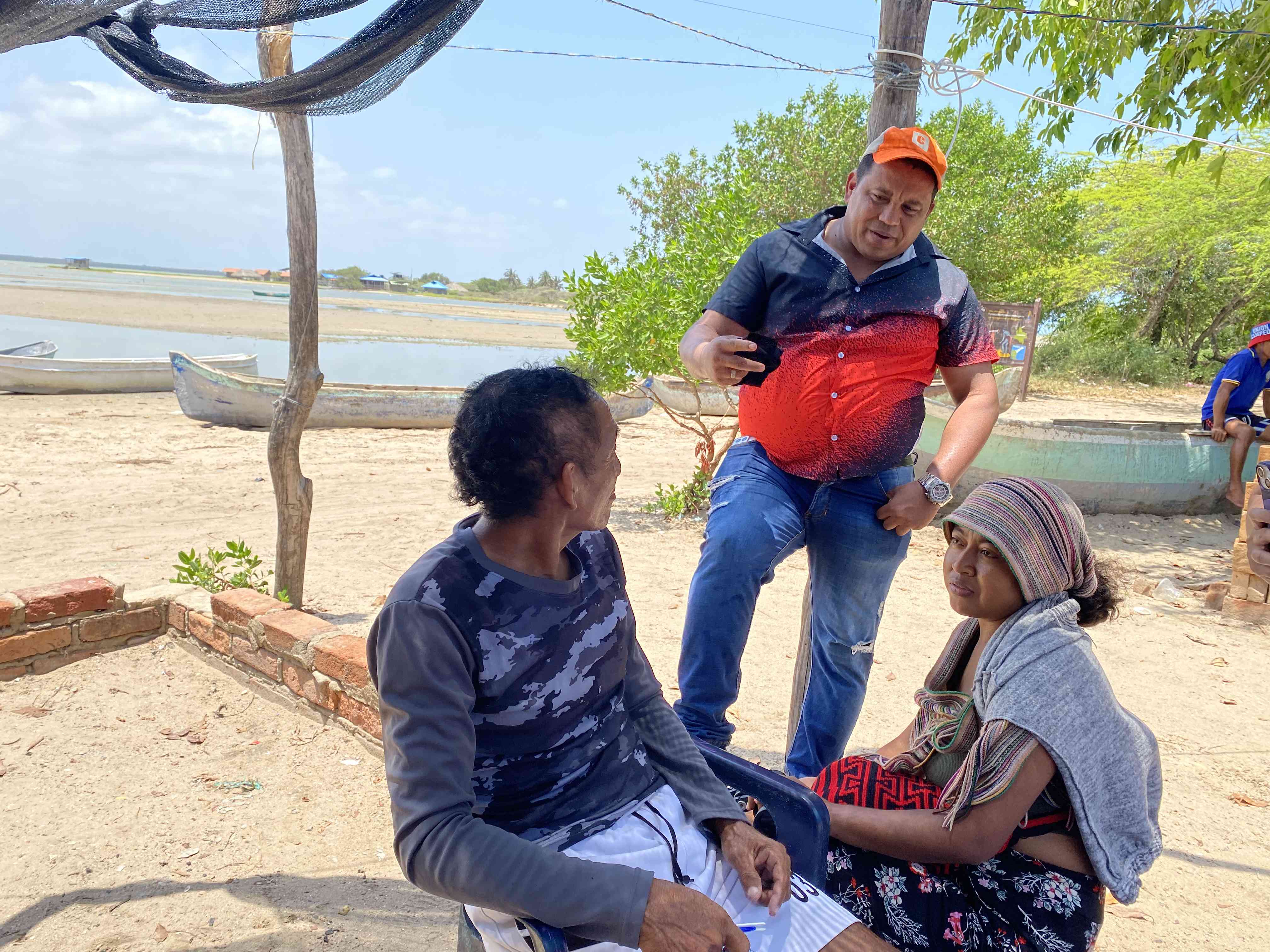
The strategic selection of municipalities and/or participants can significantly increase the relevance and impact of a project. This project not only prioritized information deserts but focused on working with participants that demonstrated a strong willingness to engage, as well as strong embeddedness in community structures. The participants recruited reflected the diversity of local leadership that already held influence in their communities, including teachers, Indigenous communicators, women leaders, youth activists, and community organizers.
UDF-19-870-COL_2
Project Partner
Fundación para la Libertad de Prensa/ Press Freedom Foundation
Project Description

This strategic four-year project works to increase the presence of local news in rural areas of Colombia, so as to encourage civic participation, sound governance and democratic discussion. Building on previous projects the grantee has implemented for UNDEF, journalism labs will expand from two regions to four, bringing more media and digital literacy training programmes to community leaders and groups, women and young people; support post-training local content production and communication to ensure at least one monthly product on local issues; and build an experimental media and digital literacy programme for local schools. The project is highly relevant in the Covid-19 world and its aftermath, where the fight against disinformation and for freedom of information, media literacy and online safety will be crucial; and where it will be essential to advance understanding of the specific impact of the crisis on women and young people, ensuring that responses uphold their rights and are inclusive of their needs.
Evaluation Date
August 2025
Theme
Country
LESSON

Lesson Learned: Enabling Local Information and Media Literacy for a Better-Informed Society in Colombia

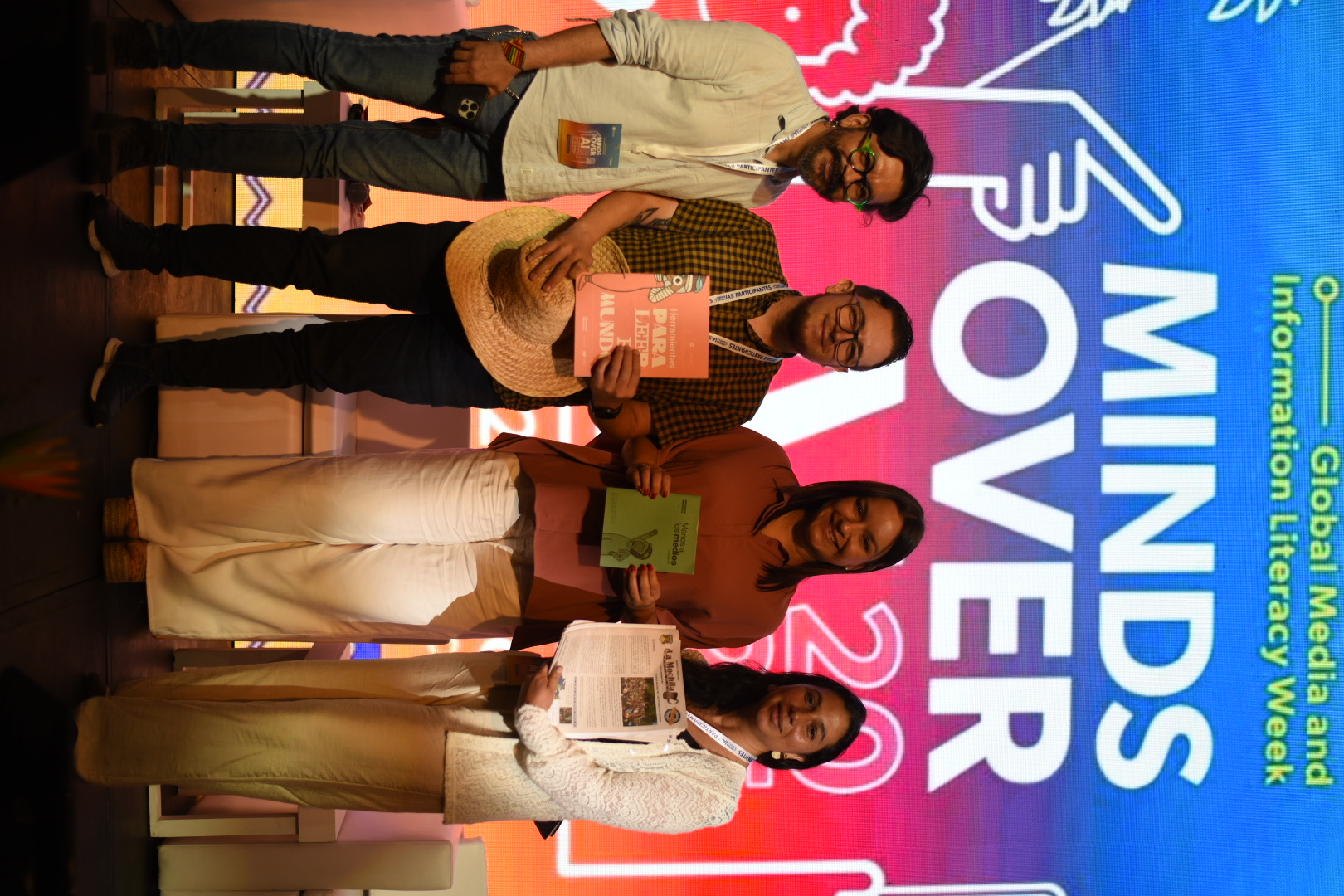
The impact of this project could be amplified through strategic communication and advocacy efforts. Stories that illustrate the transformative impact of local journalism on governance and community empowerment can serve as strong advocacy tools to expand the reach of local initiatives. Through collaboration with mainstream outlets or national journalism forums, the experiences of communities could even influence national policy discussions.

UDF-19-870-COL_5
Project Partner
Fundación para la Libertad de Prensa/ Press Freedom Foundation
Project Description

This strategic four-year project works to increase the presence of local news in rural areas of Colombia, so as to encourage civic participation, sound governance and democratic discussion. Building on previous projects the grantee has implemented for UNDEF, journalism labs will expand from two regions to four, bringing more media and digital literacy training programmes to community leaders and groups, women and young people; support post-training local content production and communication to ensure at least one monthly product on local issues; and build an experimental media and digital literacy programme for local schools. The project is highly relevant in the Covid-19 world and its aftermath, where the fight against disinformation and for freedom of information, media literacy and online safety will be crucial; and where it will be essential to advance understanding of the specific impact of the crisis on women and young people, ensuring that responses uphold their rights and are inclusive of their needs.
Evaluation Date
August 2025
Theme
Country
LESSON

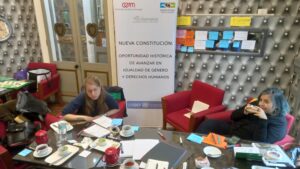
Lesson Learned: A New Constitution: Historical Opportunity to Advance Gender Equality and Women’s Rights in Chile

When operating in a highly charged political context, where significant stakeholders can pro-actively resist change, disinformation campaigns are increasingly a fact of life. To counter this, project managers should be able to rely on a robust media/engagement strategy to counter false messages that undermine the integrity of their project.

UDF-19-869-CHI
Project Partner
Centro Regional de Derechos Humanos y Justicia de Género
Project Description
The project objective is to promote women’s participation and gender content in Chile’s current constitutional process; advance women’s understanding of a new constitution’s importance to them and their rights; generate debates on key gender issues; advocate for the inclusion of gender aspects in the drafting process. The project is highly relevant in the Covid-19 world and its aftermath, where it will be essential to address the massive impact of the crisis on women, ensuring that responses uphold their rights and are inclusive of their needs.
Evaluation Date
May 2024
Country
LESSON

Lesson Learned: Raising the Social and Political Profile of Youth in Mozambique

The project experience revealed that regular follow-up with project partners to monitor key activities, such as beneficiary selection, ensures accountability and maintains alignment with project goals and objectives. In this case, the project focal points across the provinces undertook the task of beneficiary selection without the consistent guidance and follow-up from the grantee. This led to the adoption of diverse selection criteria, some of which inadvertently contributed to higher participant turnover rates.

UDF-18-794-MOZ
Project Partner
Associação Gender Links Moçambique
Project Description
The project supports young people's participation in local and national issues by developing youth councils and youth councilor training workshops. Young people will have their voices heard on key social and political platforms, and will be better represented at the center of local and national policies and decision-making, within and outside selected councils. Project activities incorporate actions in response to the Covid-19 crisis as it impacts youth.
Evaluation Date
April 2024
Country
LESSON

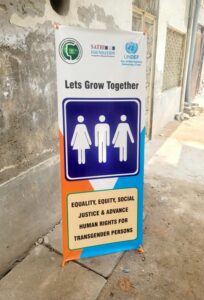
Lesson Learned: Safeguarding the Rights of Transgender & Intersex Communities in Pakistan

In order to be effective, public awareness raising campaigns need to be more targeted and focused. The content should be developed in local language, keeping in view the general literacy level. It should also be evaluated to assess efficacy and impact. In this case the grantee developed them in English and published them without translation which limited their efficacy and outreach.

Project Partner
Formation Awareness & Community Empowerment Society
Project Description
The project objective is to work for the protection and promotion of human rights and fundamental freedoms of LGBTI persons, particularly transgender and intersex, in Lahore and Faisalabad districts. Expected outcomes include support for 5000 LGTQI/transgender persons; enhanced capacity of 50 civil society and human rights organizations; increased public awareness of LGBTI rights; registration of transgender and intersex persons for computerized national identity cards; improved policy framework and legal provision on the rights of transgender and intersex person.
Evaluation Date
March 2024
Theme
Country
LESSON

Lesson Learned: Democracy Academy for Young Adults in El Salvador

The adoption of a coordination strategy between the project and other relevant actors (mostly from the Academic arena) would have been key in order to optimize resources and avoid duplication, while strengthening coordination. It is therefore important that UNDEF continues to require such strategies for all its projects.
Project Partner
Fundación Salvadoreña para el Desarrollo Económico y Social
Project Description
The Democracy Academy for Young Adults (DAY) is a project that contributes to the strengthening and the promotion ofe democracy through the formation and active participation of young leaders in spaces of dialogue, social control, and defense of the democratic system with civil society and key political actors. The digital platforms used are essential to deepen and expand the exercise of democratic practices in this time of technological revolution.
Evaluation Date
March 2023
Country
LESSON

Lesson Learned: Creating an Inclusive Policy and Legal System, Protecting Elderly People’s Fundamental Rights in Indonesia

Elderly welfare and fulfilment of their rights is a complex matter that require multi-dimensional interventions. Based on the experience of the elderly project implemented by LBH Apik, “soft” entry points like health, social gatherings, and economic opportunities have proven to be much effective as a way to gather and motivate the elderly to learn more about their rights. This can be a model for future interventions.
Project Partner
Indonesian Legal Aid Association for Women
Project Description
The aim of this project is to improve protection mechanisms and policies regarding basic rights and public services to the elderly. Three local partners, each located in one of the three targeted provinces will help complete the project. The project will collect data to close the evidence gap, raise public awareness, and enhance capacity building of the elderly and paralegals as they advocate to improve elderly programs and legal and public services at village and community levels. The project will include a strong gender focus by prioritizing women as paralegals and recipients of legal services.
Evaluation Date
January 2023
Country
LESSON

Lesson Learned: Strengthening Media to Promote Inclusive Democracy in Mali

It is widely accepted that local community radios continue to be the medium most established and most used and trusted (for news and information) by people in Mali and other countries in the Central Sahel region – especially in remote areas where access to print media and television is more limited. However, the use and influence of social media is already significant and is expected to grow – and should be part of any context-setting, if not the subject of direct activity, in future projects supporting the media sector.
Project Partner
Journalists for Human Rights
Project Description
This two-year project aims at strengthening media to play a role in fostering an effective, inclusive and transparent democracy in Mali. Based on field assessments of media outlets and CSOs, the project will build the capacity of media to report on good governance and human rights issues, break the financial dependency on political sponsorship through training on business skills and greater sector accountability, and help journalists and civil society actors to work together on data projects.
Evaluation Date
January 2023
Theme
Country
LESSON

Lesson Learned: Strengthening Media to Promote Inclusive Democracy in Mali

Sensitivity to local languages should be an essential part of project design and delivery in countries where such diversity exists (as was the case with this project in the use of Bambara for local radio broadcasting to maximise impact for non-French speaking listeners), though this may bring additional challenges in terms of measuring and evaluating the success of an intervention.
Project Partner
Journalists for Human Rights
Project Description
This two-year project aims at strengthening media to play a role in fostering an effective, inclusive and transparent democracy in Mali. Based on field assessments of media outlets and CSOs, the project will build the capacity of media to report on good governance and human rights issues, break the financial dependency on political sponsorship through training on business skills and greater sector accountability, and help journalists and civil society actors to work together on data projects.
Evaluation Date
January 2023
Theme
Country
LESSON

Lesson Learned: Tracking Campaign Promises in Albania

Given the high relevance and importance of the “truth-o-meter”, the design should have paid more attention (and allocate the necessary resources) to the promotion and communication of the tool and the results. There could have been public conferences and/or round tables with all concerned MPs, CSOs, communities, and media to discuss findings and generate public debates. Therefore, promoting innovative tools to a wide range of stakeholders is as important as their development, otherwise the impact of such tools remains limited and untapped.

Project Partner
Regional Development Agency Korce
Project Description
The project will help Albanian people to track promises made by politicians by providing Albanian citizens, CSOs and Media with tools to fact-check the implementation of their promises on-the-ground. Through a “truth-o-meter” web/app platform and through data checking and reporting, the project will hold 201 public officials/politicians in Albania accountable for their promises with the final aim to strengthen democracy and rule of law in Albania. Through simplified versions of municipal budgets made accessible as “citizens’ budgets”, citizens will be able to evaluate and take decisions affecting the future of those politicians that are in charge of taking decisions at local or national level.
Evaluation Date
January 2023
Country