transparency

LESSON

Lesson Learned: For Participation of Persons with Disabilities in Disaster and Climate Risk Governance in the Philippines

The best way to ensure the success of projects for Persons with Disabilities is to leverage the existing legal framework that mandates and, consequently, secures the participation of local government units. This permanent institutional structure will remain in the locality long after the project has ended. Further, the Local Government Units' buy-in serves as a signal to the community about the project's merits. It would also ensure active participation by community members, along with other civil society groups working with Persons with Disabilities. However, as was the case in this project, the existence of national policies to improve the conditions of Persons with Disabilities alone does not guarantee vibrant participation by Local Government Units in initiatives for Persons with Disabilities (PWD). In the future, an external oversight body could be established to monitor the disbursement of PWD budgets and ensure the proper utilization of PWD fund allocations as prescribed by national laws.

Project Partner
A2D Project-Research Group for Alternatives to Development Inc.
Project Description

This project works to empower people with disabilities to participate in disaster risk reduction approaches in 20 local government units in Cebu Province. It will build capacity for 20 organizations of persons with disabilities to have a real voice in formal community planning processes, with the goal of influencing local government to break barriers, open spaces for inclusion, and encourage at-risk populations to take an active role in disaster preparedness, risk reduction and other community development agenda issues.
Evaluation Date
December 2025
Country
LESSON

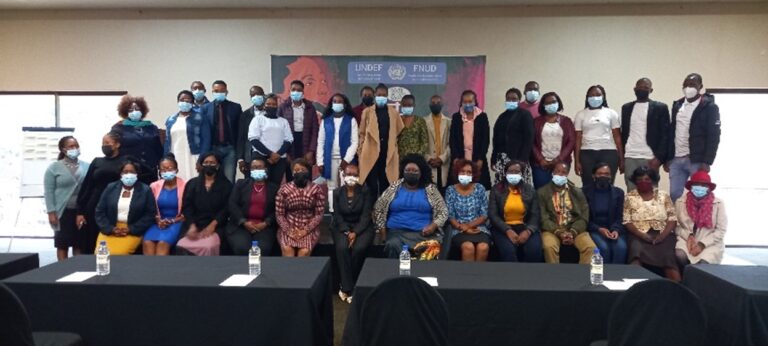
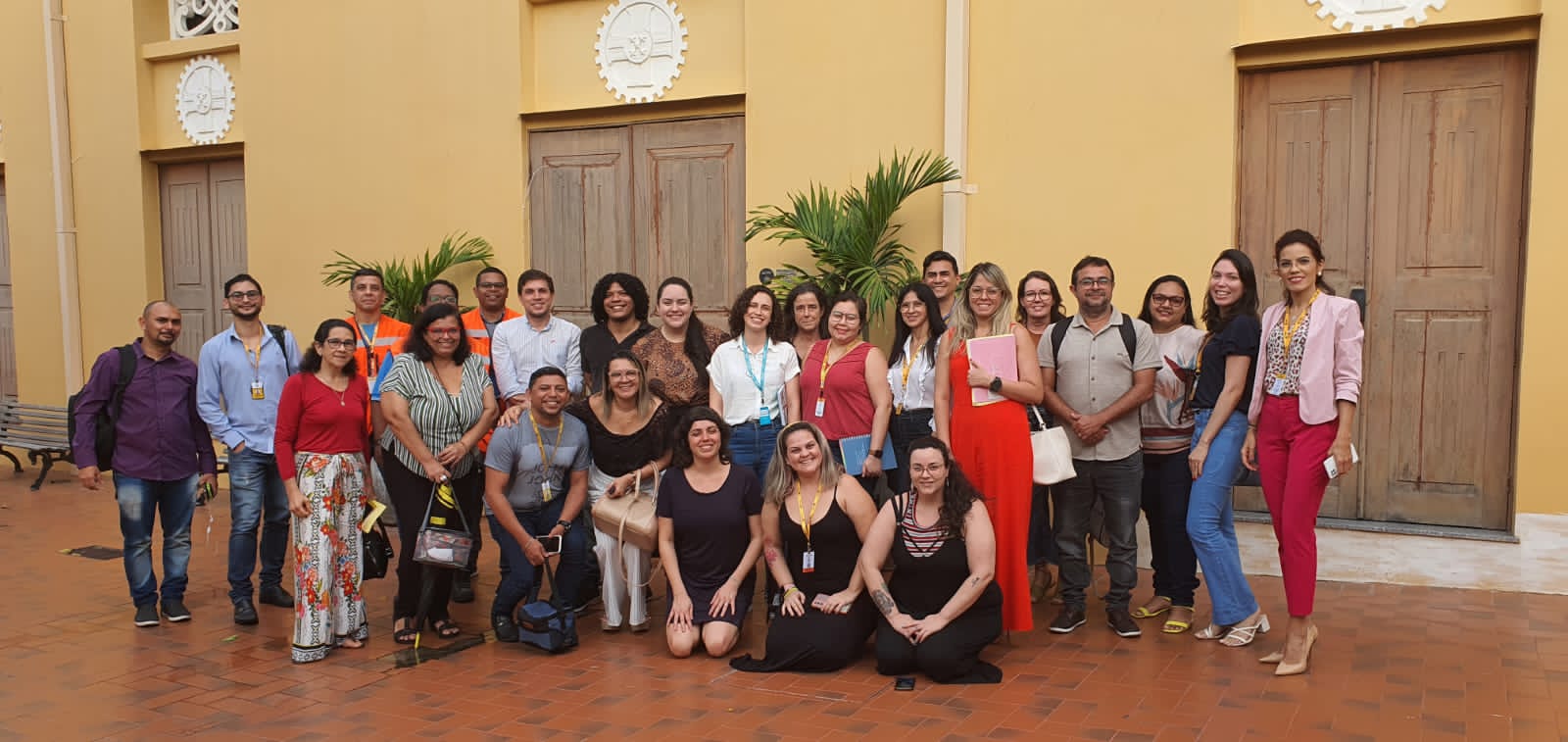
Lesson Learned: Deliberative Democracy and Citizen Assemblies to Fight Inequality and Poverty in Brazil

The most successful Citizens’ Assemblies (CAs) take full account of local circumstances and contexts, and adapt accordingly – hence the different lottery selection techniques used by the Grantee in each of the three locations. Respecting key principles is more important than the methods used. The Brazilian experience of social participation in decision-making processes demonstrates the variety of tools and mechanisms available for this. In this project, the methodology used by Delibera/ReCoS is arguably more rigorous and inclusive than most other experiences in Brazil.


Project Partner
Delibera Brasil
Project Description

Working in collaboration with municipal governments and civil society, the project seeks to establish Citizen Assemblies in three cities in Brazil to facilitate public participation in policymaking to address poverty and inequality. Building on experience from Brazil and elsewhere, the aim is to demonstrate to public managers, political leaders and citizens alike the feasibility and value of open, inclusive deliberation to build sustainable and widely supported policy responses to complex issues. Results and lessons from the project’s three pilot efforts will be shared at national level. Increased cooperation among policymakers and civil society will address declining public political participation even as it contributes to more equitable and sustainable urban development. The project includes activities relevant to the Covid-19 crisis as it impacts civil society and ensuring that responses uphold their rights and are inclusive of their needs.

Evaluation Date
September 2025
Country
LESSON

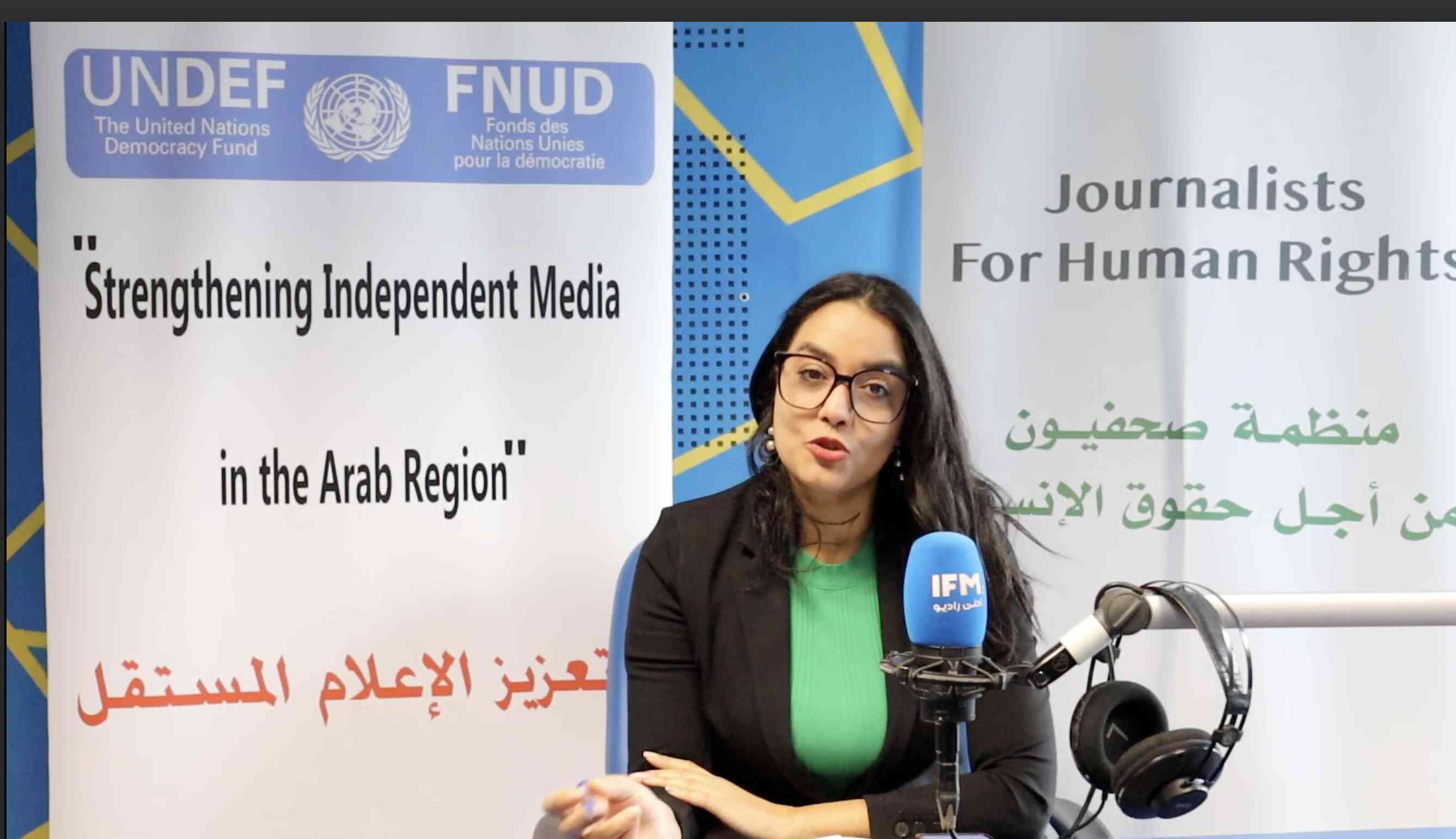
Lesson Learned: Strengthening Independent Media in the Arab Region

Inclusive project designs that rely on human rights actors from diverse professions and backgrounds have a high potential for engaging stakeholders and local authorities. In this case, inclusive project designs in Tunisia and Lebanon allowed to effectively work with local authorities towards understanding and addressing issues related to access to information and data-driven journalism.

Project Partner
Journalist for Human Rights
Project Description

The project aims to strengthen independent media in the Arab region so as to build greater accountability and better governance, by improving the working environment for journalists; advancing media freedom and accessible information and data; enhancing the capacity of freelance and full-time journalists to cover sensitive human rights stories; and improving journalists’ legal knowledge through strong working partnerships with civic actors. Project activities also incorporate responses to the Covid-19 crisis for journalists on the front line.

Evaluation Date
February 2025
Theme
LESSON

Lesson Learned: Strengthening Gender-Responsive Local Government in Nepal

Citizen led accountability (CLA) monitoring is a particularly useful initiative to promote gender responsive local governance. However, institutionalizing it requires extensive capacity building of local communities to enable them to continue it independently. In the present case, while the project piloted a Citizens Report Card successfully by acquiring a consultant, the knowledge and skills transfer to the community for developing it independently and regularly would have made it locally driven and owned, as well as sustainable.

Project Partner
South Asia Partnership Nepal
Project Description

The project aims to empower Musahar women and strengthen their representation in local decision-making procedures for promoting gender-responsive local governance in two rural municipalities and two town municipalities. It will work through three main approaches:empowerment of Musahar women to claim their rights, accountability of local government authorities, and strengthening multi-stakeholder partnerships for gender-responsive local governance.

Evaluation Date
December 2024
Country
LESSON

Lesson Learned: Enhancing Women’s Political Participation in Eswatini

Transparent and proactive communication between the grant recipient and the funder is essential to foster effective collaboration and mitigate operational inefficiencies. In this case, WLSA faced a shortage of funds and human resources, which hindered their ability to fulfil all project team responsibilities. This led to delays and inconsistencies within the narrative reports, which were never clarified by WLSA.

Project Partner
Women and Law in Southern Africa - Eswatini
Project Description

The project seeks to enhance the gender responsiveness of policies and practices in the electoral process in Eswatini by assisting stakeholders to develop gender responsive guidelines and educating citizens on the importance of women’s political participation, while empowering the female electorate with leadership skills, campaign and mobilization strategies. The project seeks to impart a long-term effect by enabling community-based paralegals to conduct gender equality sensitization talks at community level. Project activities will incorporate actions in response to the Covid-19 crisis, as it impacts women, including gender-based violence as well as social and economic pressures.

Evaluation Date
August 2024
Country
LESSON

Lesson Learned: Enhancing Women's Political Participation in Eswatini

The project experience underscored the importance of establishing clear and consistent beneficiary selection criteria in project activities from the outset. In this case, project stakeholders were responsible for selecting beneficiaries at the community level without clear guidance on the selection criteria from the grantee. As a result, some beneficiaries were included without the necessary qualifications, leading to difficulties in actively participating in trainings and effectively fulfilling their roles in the project.


Project Partner
Women and Law in Southern Africa - Eswatini
Project Description

The project seeks to enhance the gender responsiveness of policies and practices in the electoral process in Eswatini by assisting stakeholders to develop gender responsive guidelines and educating citizens on the importance of women’s political participation, while empowering the female electorate with leadership skills, campaign and mobilization strategies. The project seeks to impart a long-term effect by enabling community-based paralegals to conduct gender equality sensitization talks at community level. Project activities will incorporate actions in response to the Covid-19 crisis, as it impacts women, including gender-based violence as well as social and economic pressures.

Evaluation Date
August 2024
Country
LESSON

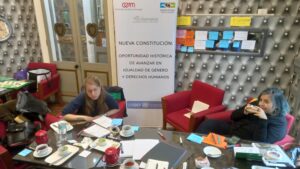
Lesson Learned: A New Constitution: Historical Opportunity to Advance Gender Equality and Women’s Rights in Chile

When operating in a highly charged political context, where significant stakeholders can pro-actively resist change, disinformation campaigns are increasingly a fact of life. To counter this, project managers should be able to rely on a robust media/engagement strategy to counter false messages that undermine the integrity of their project.

UDF-19-869-CHI
Project Partner
Centro Regional de Derechos Humanos y Justicia de Género
Project Description
The project objective is to promote women’s participation and gender content in Chile’s current constitutional process; advance women’s understanding of a new constitution’s importance to them and their rights; generate debates on key gender issues; advocate for the inclusion of gender aspects in the drafting process. The project is highly relevant in the Covid-19 world and its aftermath, where it will be essential to address the massive impact of the crisis on women, ensuring that responses uphold their rights and are inclusive of their needs.
Evaluation Date
May 2024
Country
LESSON

Lesson Learned: Raising the Social and Political Profile of Youth in Mozambique

Clear communication with project stakeholders is essential to foster effective collaboration and mitigate potential misunderstandings or disputes. This should include a clear description of their roles and responsibilities, benefits, and timelines. In this project, discrepancies in the beneficiary selection and external consultant management would have been improved if all the stakeholders had received and signed specific Terms of Reference (ToR) outlining their duties, responsibilities, compensation, expected deliverables, and timeline.
Project Partner
Associação Gender Links Moçambique
Project Description
The project supports young people's participation in local and national issues by developing youth councils and youth councilor training workshops. Young people will have their voices heard on key social and political platforms, and will be better represented at the center of local and national policies and decision-making, within and outside selected councils. Project activities incorporate actions in response to the Covid-19 crisis as it impacts youth.
Evaluation Date
April 2024
Country
LESSON

Lesson Learned: Promoting Youth Participation through Development Policy in Burkina Faso

Post-project studies can constitute a key element in shedding light on the performance of any project. Quantitative and qualitative analysis of the progress of the project, even before the UNDEF evaluation, provided early visibility on the results obtained. The Post-Project Study carried out by the implementing agency after the closure of the project proved to be crucial for evaluating the achievements of the initiative.
Project Partner
Balai Citoyen
Project Description
This project aims to both increase citizen participation of young people in the electoral process and implement the formulation and monitoring of public policies in seven municipalities in Burkina Faso. Advocacy and a series of awareness-raising actions will allow the establishment of at least seven local networks dedicated to the promotion of citizen participation of youth at the level of decision-making bodies. These actions will also lead public authorities to take formal measures in response to the demands formulated by young people. Project activities integrate actions in response to the Covid-19 crisis and its various implications for youth.
Evaluation Date
December 2023
Country
LESSON

Lesson Learned: Strengthening Democracy Through LGBT Political Participation in South Africa

Efficient communication between project and finance management staff, and between grantees and implementing partners, is key to ensuring the delivery of projects in challenging conditions, such as during a global pandemic or when significant staff changes take place, especially when adaptive programming is required.
Project Partner
Triangle Project
Project Description
The project aims to strengthen South Africa's democracy through increasing equal participation of lesbian, gay, bisexual, trans and intersex people and promoting understanding among political parties and the Independent Electoral Commission around the importance of diverse representation. This will be achieved through the training of lesbian, gay, bisexual, trans and intersex leaders in civic engagement strategy and working with parties and the Commission to adopt policies and procedures to improve their representation, participation, voter registration and turn out.
Evaluation Date
August 2023
Theme
Country