representation

LESSON

Lesson Learned: Deliberative Democracy and Citizen Assemblies to Fight Inequality and Poverty in Brazil

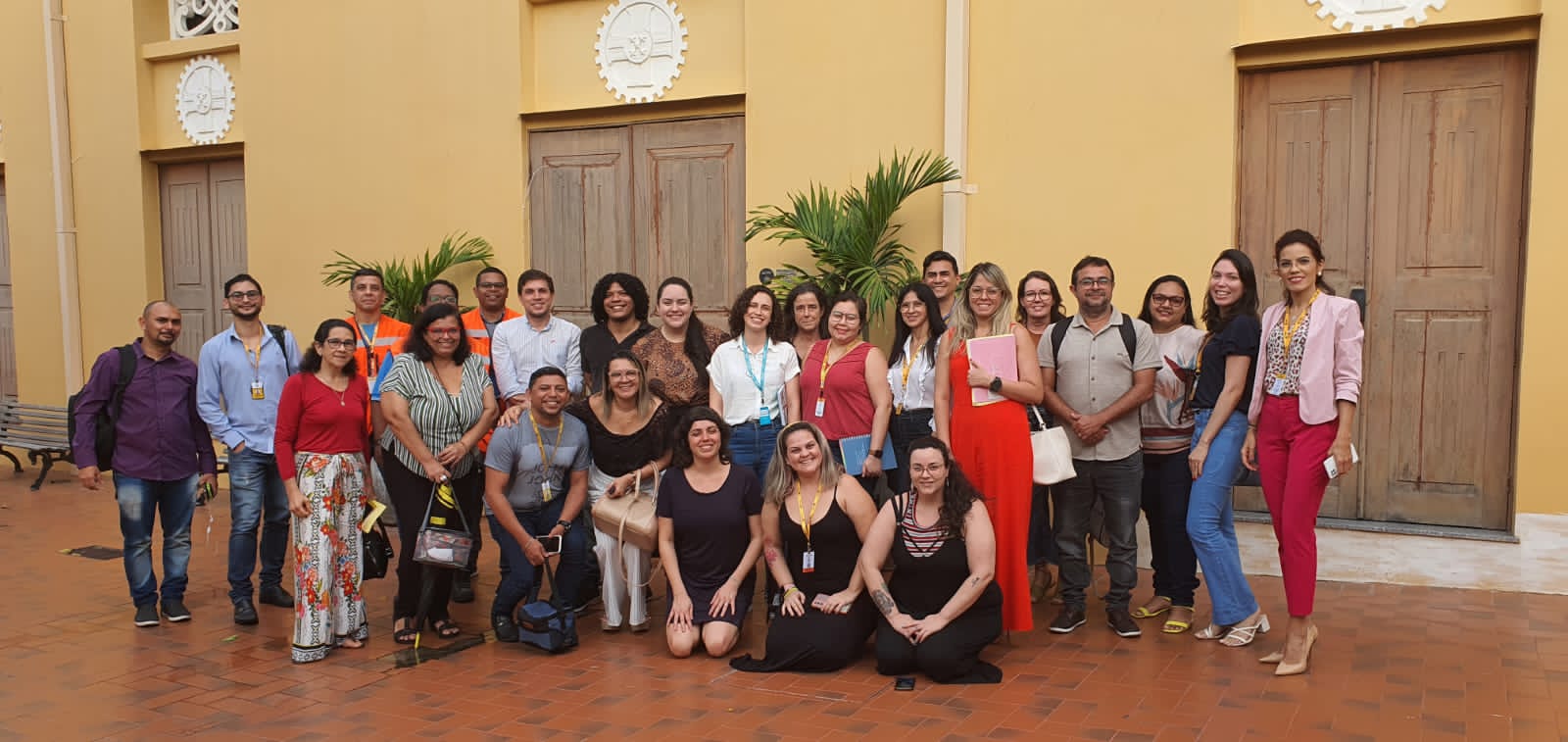
The most successful Citizens’ Assemblies (CAs) take full account of local circumstances and contexts, and adapt accordingly – hence the different lottery selection techniques used by the Grantee in each of the three locations. Respecting key principles is more important than the methods used. The Brazilian experience of social participation in decision-making processes demonstrates the variety of tools and mechanisms available for this. In this project, the methodology used by Delibera/ReCoS is arguably more rigorous and inclusive than most other experiences in Brazil.


Project Partner
Delibera Brasil
Project Description

Working in collaboration with municipal governments and civil society, the project seeks to establish Citizen Assemblies in three cities in Brazil to facilitate public participation in policymaking to address poverty and inequality. Building on experience from Brazil and elsewhere, the aim is to demonstrate to public managers, political leaders and citizens alike the feasibility and value of open, inclusive deliberation to build sustainable and widely supported policy responses to complex issues. Results and lessons from the project’s three pilot efforts will be shared at national level. Increased cooperation among policymakers and civil society will address declining public political participation even as it contributes to more equitable and sustainable urban development. The project includes activities relevant to the Covid-19 crisis as it impacts civil society and ensuring that responses uphold their rights and are inclusive of their needs.

Evaluation Date
September 2025
Country
LESSON

Lesson Learned: Strengthening Gender-Responsive Local Government in Nepal

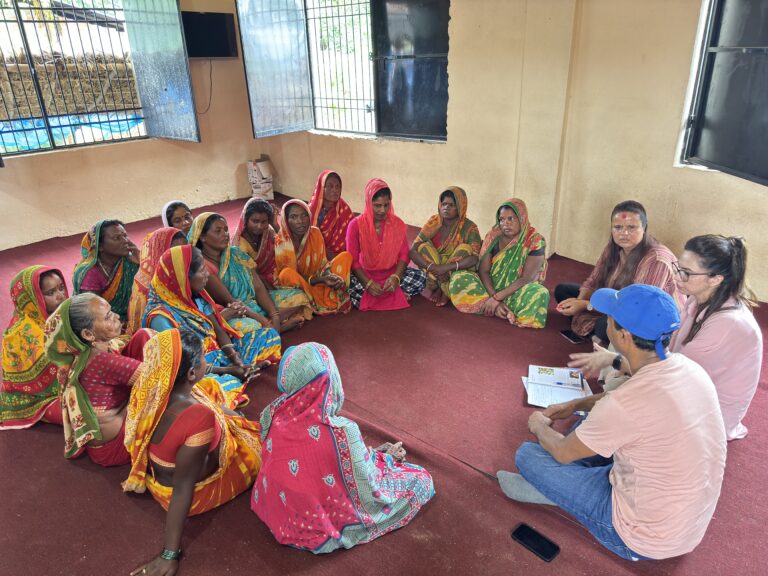
As the project experience indicates, engaging a community representative organization like the National Musahar Association is an effective strategy to build trust and gain access to the community focused on by the project.

Project Partner
South Asia Partnership Nepal
Project Description

The project aims to empower Musahar women and strengthen their representation in local decision-making procedures for promoting gender-responsive local governance in two rural municipalities and two town municipalities. It will work through three main approaches:empowerment of Musahar women to claim their rights, accountability of local government authorities, and strengthening multi-stakeholder partnerships for gender-responsive local governance.

Evaluation Date
December 2024
Country
LESSON

Lesson Learned: Strengthening Gender-Responsive Local Government in Nepal

The project experience clearly indicates that in order to be impactful, the project design should involve multidimensional approaches that address both the practical and structural challenges, ranging from individual capacity gaps to overall gender discrimination and institutionalized exclusion, which constrain women’s voice, decision-making and leadership. In the present case, the Implementing Partner was successful in maintaining a dual focus on promoting women’s political participation through building women’s capacity and awareness of their rights and connecting them to key decision-making processes on the one hand and engaging with the Musahar community, particularly men, to address gender discrimination through sensitization sessions.

Project Partner
South Asia Partnership Nepal
Project Description

The project aims to empower Musahar women and strengthen their representation in local decision-making procedures for promoting gender-responsive local governance in two rural municipalities and two town municipalities. It will work through three main approaches:empowerment of Musahar women to claim their rights, accountability of local government authorities, and strengthening multi-stakeholder partnerships for gender-responsive local governance.

Evaluation Date
December 2024
Country
LESSON

Lesson Learned: Strengthening Gender-Responsive Local Government in Nepal

An effective way to address the structural barriers that marginalized women may face in accessing formal political space, is to start with building localized platforms and relevant capacities and gradually scaling up the effort to connect to formal institutional structures. In the present project, this was demonstrated successfully by the creation of the local Women Musahar Empowerment Forums which were eventually scaled up to district-level platforms as well as connected to the National Musahar Association.

Project Partner
South Asia Partnership Nepal
Project Description

The project aims to empower Musahar women and strengthen their representation in local decision-making procedures for promoting gender-responsive local governance in two rural municipalities and two town municipalities. It will work through three main approaches:empowerment of Musahar women to claim their rights, accountability of local government authorities, and strengthening multi-stakeholder partnerships for gender-responsive local governance.

Evaluation Date
December 2024
Country
LESSON

Lesson Learned: Strengthening Gender-Responsive Local Government in Nepal

Women’s participation in political change processes not only enhances gender equality, but it also makes a positive contribution to local development outcomes. The present project experience clearly demonstrates the transformative impact of women’s inclusion in local development in the shape of a number of local needs-based infrastructure schemes undertaken by the Women Musahar Empowerment Forums in their Municipalities.

Project Partner
South Asia Partnership Nepal
Project Description

The project aims to empower Musahar women and strengthen their representation in local decision-making procedures for promoting gender-responsive local governance in two rural municipalities and two town municipalities. It will work through three main approaches:empowerment of Musahar women to claim their rights, accountability of local government authorities, and strengthening multi-stakeholder partnerships for gender-responsive local governance.

Evaluation Date
December 2024
Country
LESSON

Lesson Learned: Deepening Democratization Processes Through Youth Leadership in Myanmar

From the outset, the project design aimed to maintain appropriate gender balance and to ensure that women participated fully in the project. This is especially important in grassroots actions where women as leaders are not the norm in some parts of Myanmar. Of the 130 youth fellows involved in the project, 64 were women. Importantly, images of women leading workshops, taking the microphone in forums and participating equally in the project’s actions were included in newsletters and other publications. One newsletter was formally devoted to discussion of women's rights.
Project Partner
ActionAid International in Myanmar
Project Description
The project aimed to identify new youth fellows, train them in leadership and concepts of democracy and governance, and prepare them to lead development projects in their communities. The strategy to do this was through "placements" with local grassroots organizations. The 130 trained youth fellows were supported through the fellowship network, including meetings at local and state levels and by identifying 400 youth volunteers through community "reflect circles" that the fellows facilitated. Together, the fellows and volunteers led and established a large number of development projects within the communities, ranging from pig rearing to the building of early education centres. The model is ideally suited to both produce the expected outcomes and also lay the groundwork for potential future representation at national level. The project far exceeded its own expectations, reaching more than 100,000 people through project activities. However, planned training of journalists and the development of a website proved not to be possible in the political climate in Myanmar and were replaced by the production of a series of newsletters for the fellows and for broader dissemination.
Evaluation Date
September 2010
Country