For Participation of Persons with Disabilities in Disaster and Climate Risk Governance in the Philippines
Lesson Learned: For Participation of Persons with Disabilities in Disaster and Climate Risk Governance in the Philippines
In the present project, modelling through the use of Persons with Disabilities as trainers and speakers during training activities and workshops was an effective strategy for connecting well with Persons with Disabilities trainees, who viewed these speakers as someone who really understands their concerns, is worth listening to, and is worth emulating.
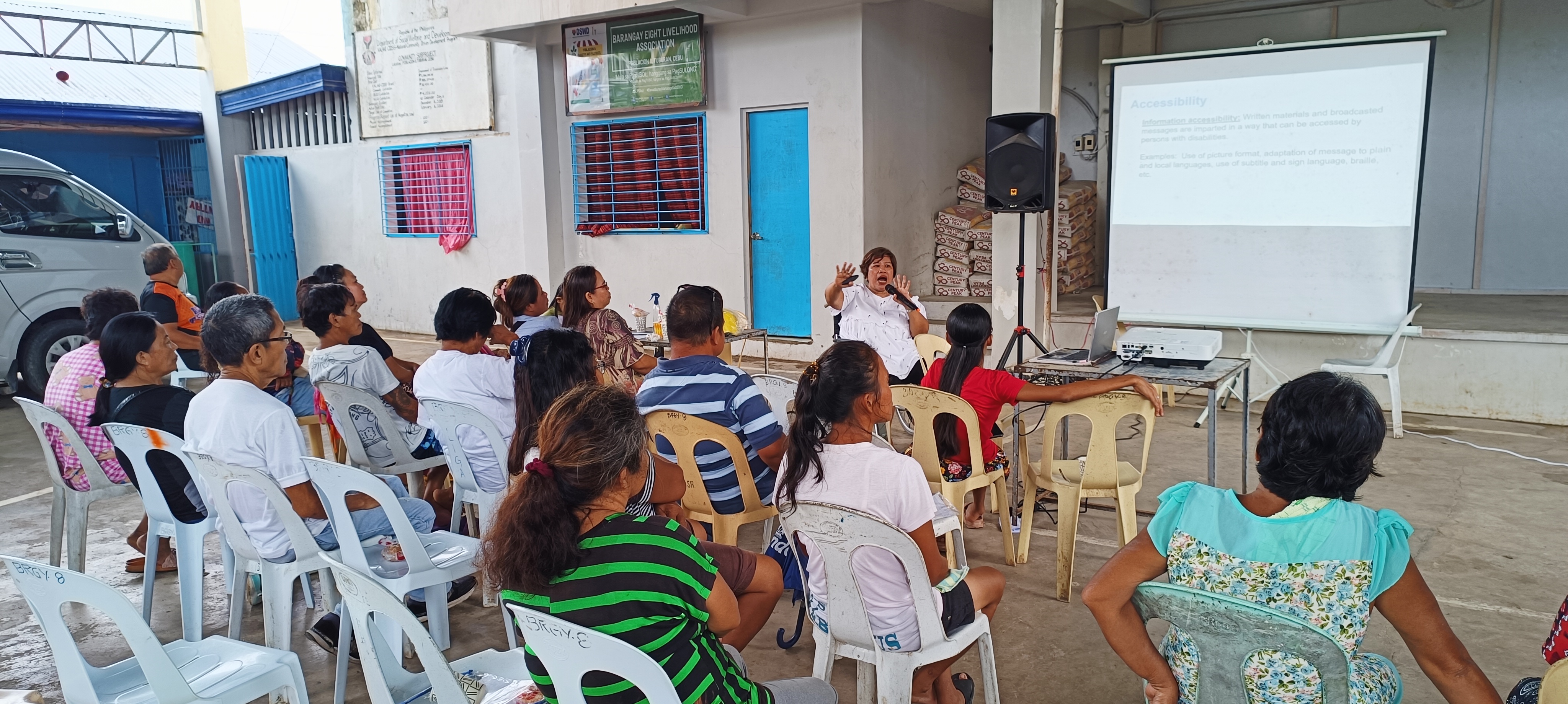
This project works to empower people with disabilities to participate in disaster risk reduction approaches in 20 local government units in Cebu Province. It will build capacity for 20 organizations of persons with disabilities to have a real voice in formal community planning processes, with the goal of influencing local government to break barriers, open spaces for inclusion, and encourage at-risk populations to take an active role in disaster preparedness, risk reduction and other community development agenda issues.
Lesson Learned: For Participation of Persons with Disabilities in Disaster and Climate Risk Governance in the Philippines
Projects on democratic governance involving Local Government Unit partnerships should fully anticipate the expected effects brought about by major political events, such as national and local elections, as these can disrupt planned project activities. As was the case in some municipalities included in the project, the change of leadership after the elections resulted in the duplication of project activities, for example, the orientation provided to the Local Chief Executive, which negatively affected the project milestones and budget.
This project works to empower people with disabilities to participate in disaster risk reduction approaches in 20 local government units in Cebu Province. It will build capacity for 20 organizations of persons with disabilities to have a real voice in formal community planning processes, with the goal of influencing local government to break barriers, open spaces for inclusion, and encourage at-risk populations to take an active role in disaster preparedness, risk reduction and other community development agenda issues.
Lesson Learned: For Participation of Persons with Disabilities in Disaster and Climate Risk Governance in the Philippines
The best way to ensure the success of projects for Persons with Disabilities is to leverage the existing legal framework that mandates and, consequently, secures the participation of local government units. This permanent institutional structure will remain in the locality long after the project has ended. Further, the Local Government Units' buy-in serves as a signal to the community about the project's merits. It would also ensure active participation by community members, along with other civil society groups working with Persons with Disabilities. However, as was the case in this project, the existence of national policies to improve the conditions of Persons with Disabilities alone does not guarantee vibrant participation by Local Government Units in initiatives for Persons with Disabilities (PWD). In the future, an external oversight body could be established to monitor the disbursement of PWD budgets and ensure the proper utilization of PWD fund allocations as prescribed by national laws.
This project works to empower people with disabilities to participate in disaster risk reduction approaches in 20 local government units in Cebu Province. It will build capacity for 20 organizations of persons with disabilities to have a real voice in formal community planning processes, with the goal of influencing local government to break barriers, open spaces for inclusion, and encourage at-risk populations to take an active role in disaster preparedness, risk reduction and other community development agenda issues.
Lesson Learned: For Participation of Persons with Disabilities in Disaster and Climate Risk Governance in the Philippines
To avoid the vacuum associated with the end of projects, mentoring and monitoring of project partners should be part of the project's withdrawal plan, drawn up by the implementors in partnership with the Local Government Units and the civil society groups working with Persons with Disabilities. In the present case, this provision would have prevented the loss of learning from the project's training and workshops and, at the same time, provided the Organizations of Persons with Disabilities a sense of continuity on the variety of projects they were working on. All Organizations of Persons with Disabilities in the project already have some form of organizational structure, but they must be regularly mentored to continuously improve their representation at the local development council.
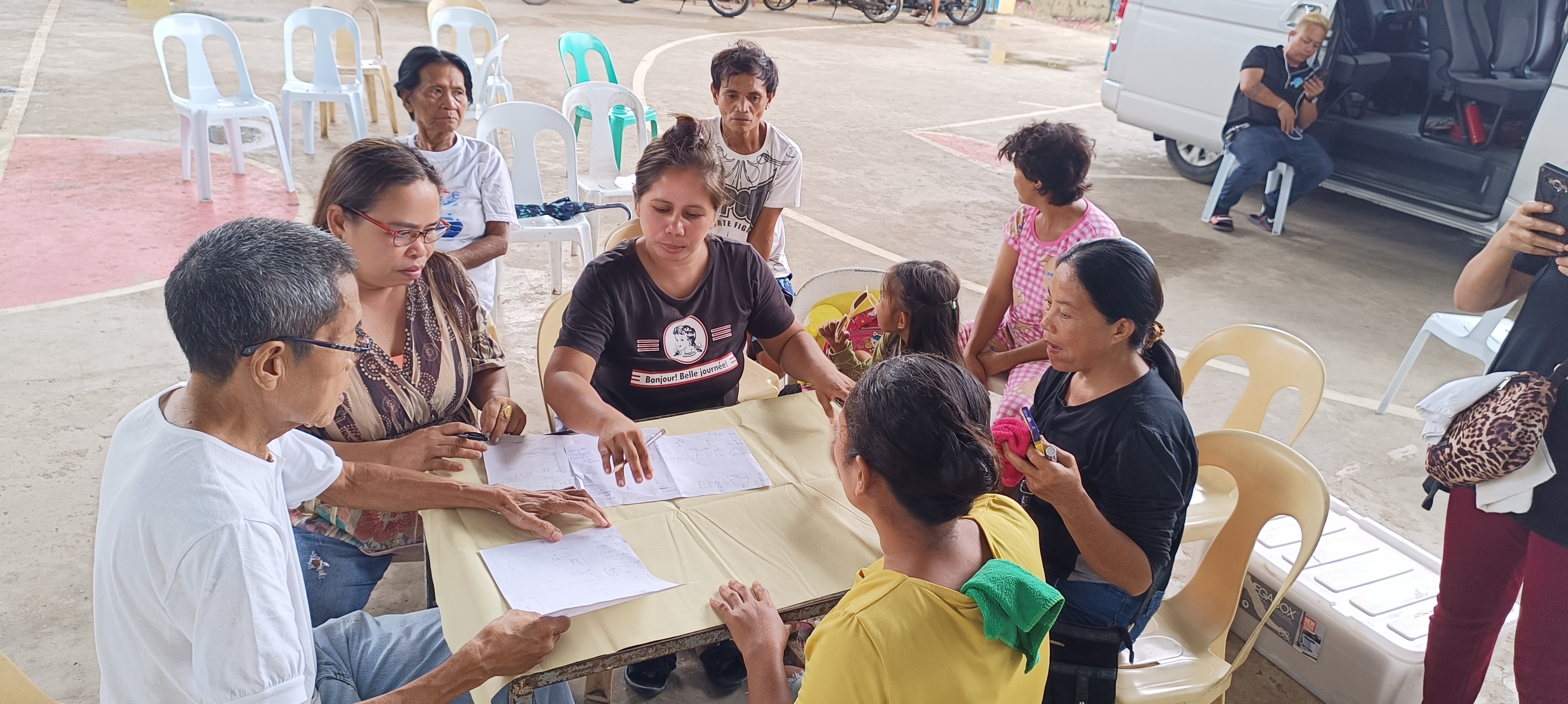
This project works to empower people with disabilities to participate in disaster risk reduction approaches in 20 local government units in Cebu Province. It will build capacity for 20 organizations of persons with disabilities to have a real voice in formal community planning processes, with the goal of influencing local government to break barriers, open spaces for inclusion, and encourage at-risk populations to take an active role in disaster preparedness, risk reduction and other community development agenda issues.
Lesson Learned: For Participation of Persons with Disabilities in Disaster and Climate Risk Governance in the Philippines
There should be a more nuanced, context-specific approach to empowering the Organizations of Persons with Disabilities. In the present project, some Organizations of Persons with Disabilities were more organizationally mature, with empowered leaders. This variation, especially regarding organizational maturity, should have been better captured in the rapid appraisal conducted at the onset of the project, enabling a more efficient organizational capacitation plan for each organization.
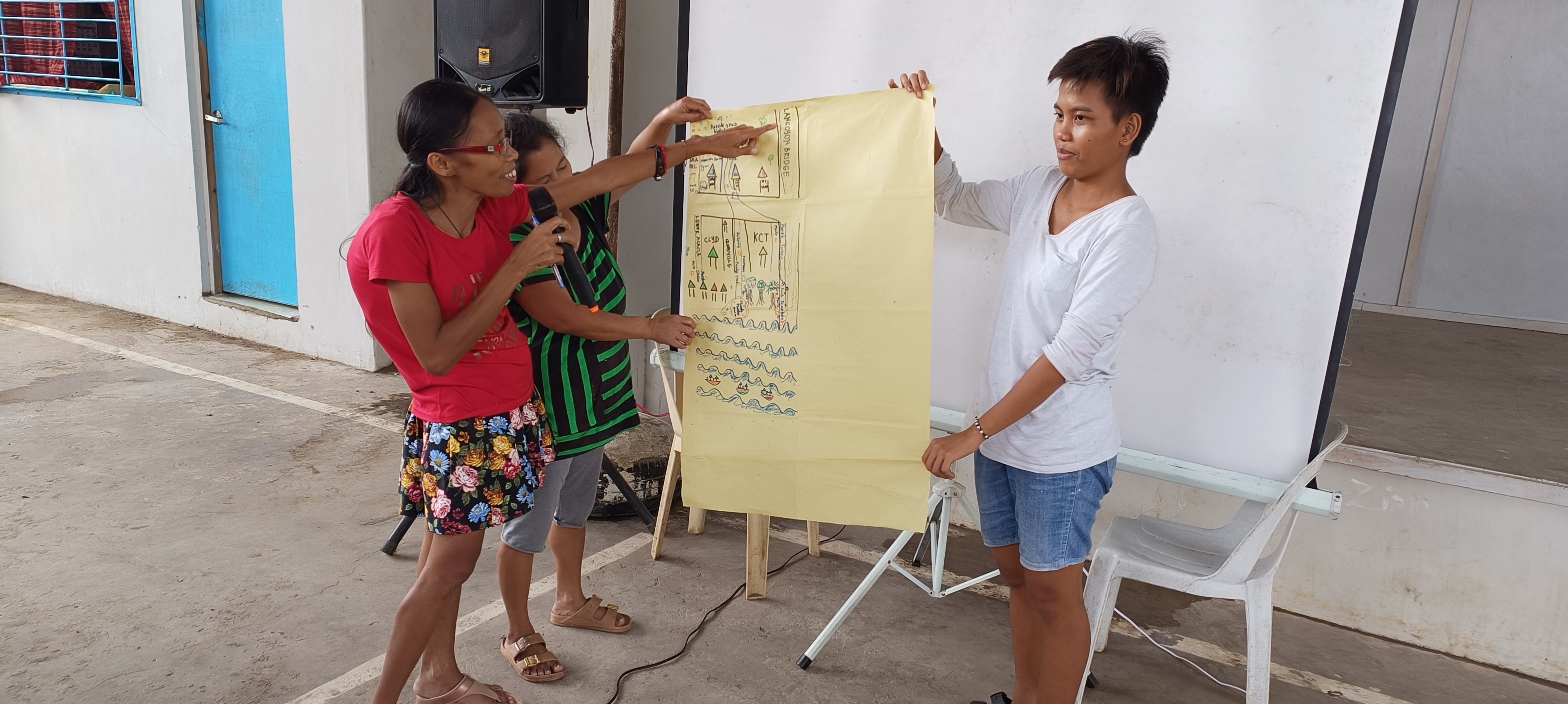
This project works to empower people with disabilities to participate in disaster risk reduction approaches in 20 local government units in Cebu Province. It will build capacity for 20 organizations of persons with disabilities to have a real voice in formal community planning processes, with the goal of influencing local government to break barriers, open spaces for inclusion, and encourage at-risk populations to take an active role in disaster preparedness, risk reduction and other community development agenda issues.
Lesson Learned: For Participation of Persons with Disabilities in Disaster and Climate Risk Governance in the Philippines
The capacity development of Organizations of Persons with Disabilities to manage a viable livelihood enterprise requires a longer period than the usual project life span. Project efficiency could have been improved by prioritizing capacity building early on in the project, so that additional technical support and organizational mentoring could have been provided within the project timeframe, with adequate budget allocation. Compared to the present project's approach, future project designs should highlight the importance of early provisions for adequate organizational capability building, with sufficient time and budget allocation.
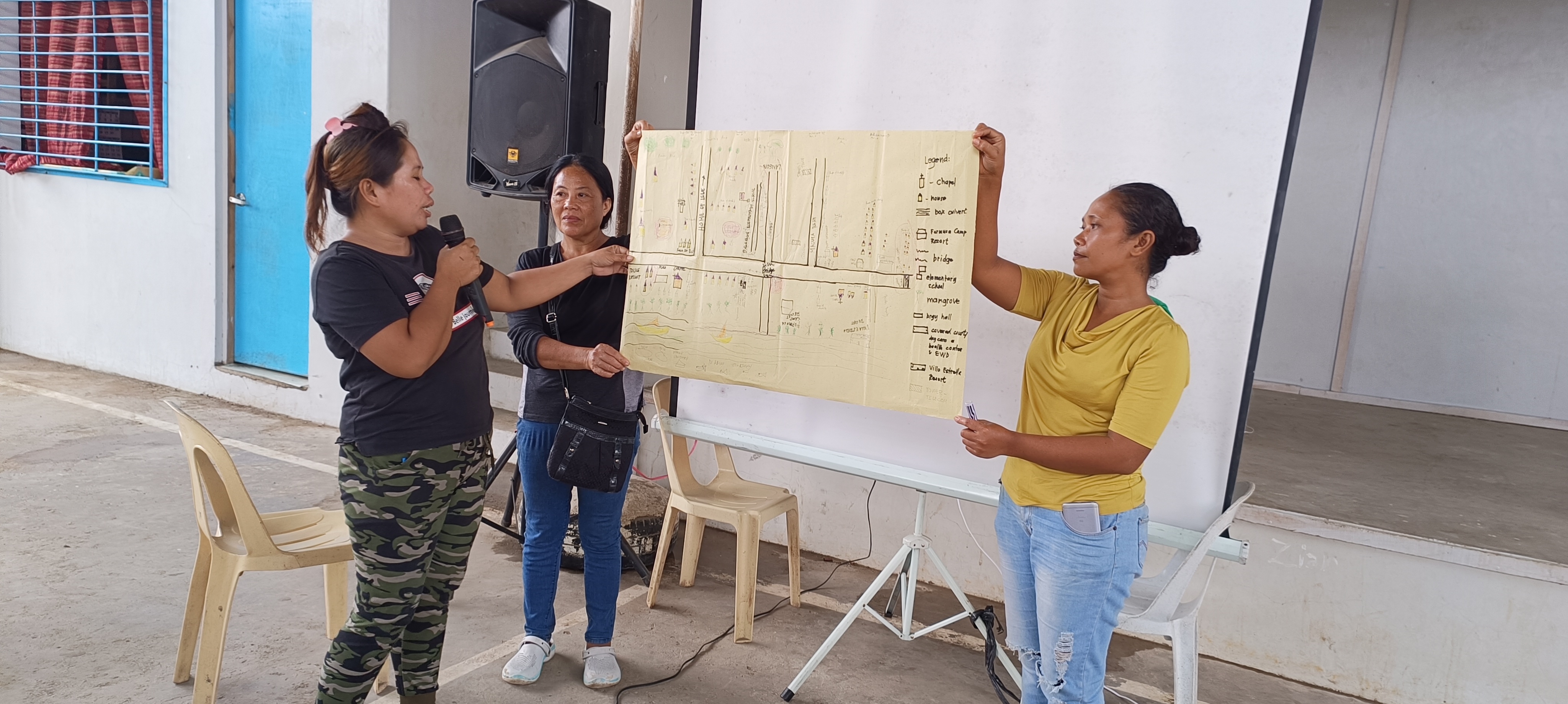
This project works to empower people with disabilities to participate in disaster risk reduction approaches in 20 local government units in Cebu Province. It will build capacity for 20 organizations of persons with disabilities to have a real voice in formal community planning processes, with the goal of influencing local government to break barriers, open spaces for inclusion, and encourage at-risk populations to take an active role in disaster preparedness, risk reduction and other community development agenda issues.
Lesson Learned: For Participation of Persons with Disabilities in Disaster and Climate Risk Governance in the Philippines
With sufficient capability-building interventions, Persons with Disabilities, at both the individual and organizational levels, can be highly capable and dynamic contributors to local governance processes. However, the shift in dynamics, whereby some decision-making powers, including the allocation of resources for Persons with Disabilities, are shared between the Local Government Units and the Organizations of Persons with Disabilities, should be managed effectively by providing additional project inputs on socio-political change.
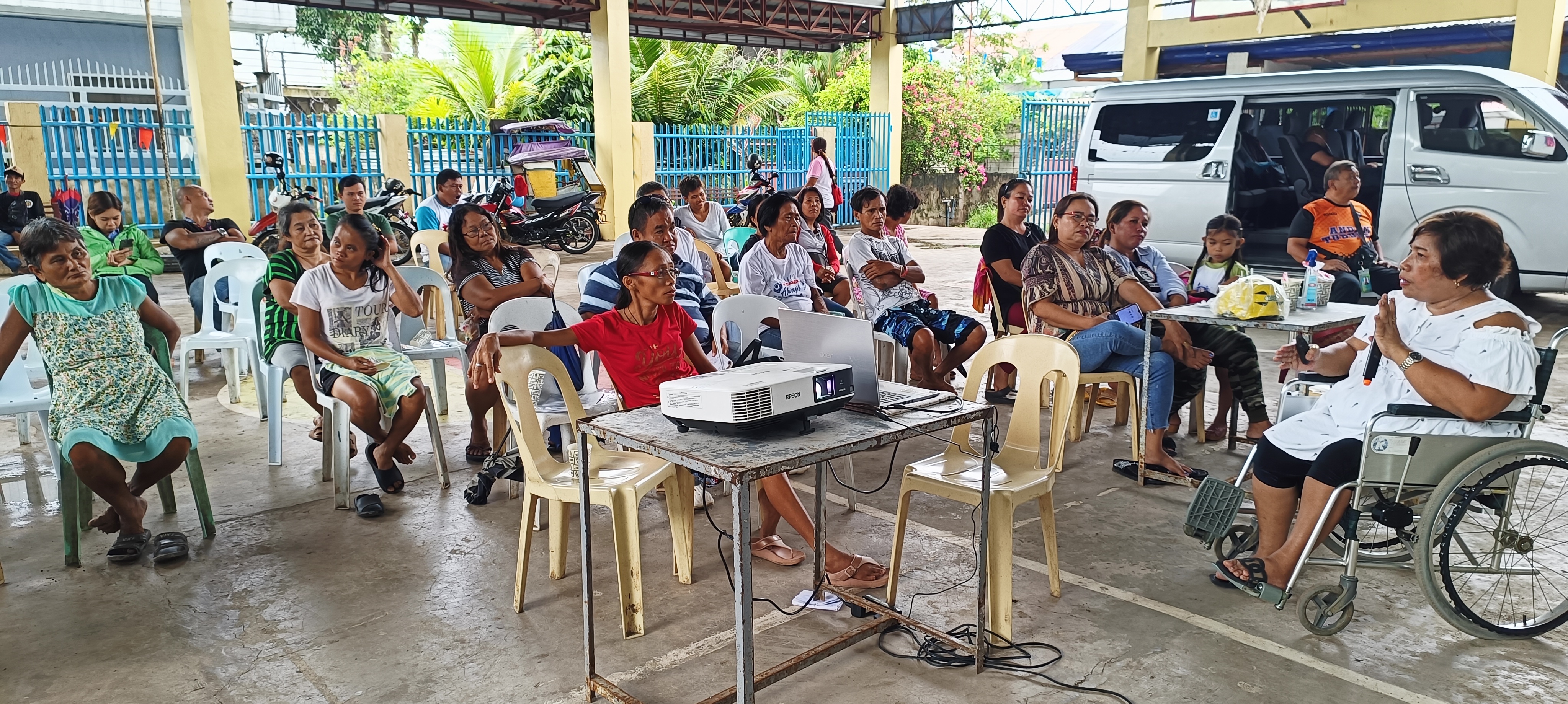
This project works to empower people with disabilities to participate in disaster risk reduction approaches in 20 local government units in Cebu Province. It will build capacity for 20 organizations of persons with disabilities to have a real voice in formal community planning processes, with the goal of influencing local government to break barriers, open spaces for inclusion, and encourage at-risk populations to take an active role in disaster preparedness, risk reduction and other community development agenda issues.
Lesson Learned: For Participation of Persons with Disabilities in Disaster and Climate Risk Governance in the Philippines
As evidenced by this project, cultural values and norms vary significantly across genders and types of disability, affecting the empowerment opportunities of project participants. To address this imbalance, future projects could have a more gender focused approach in empowering Persons with Disabilities.
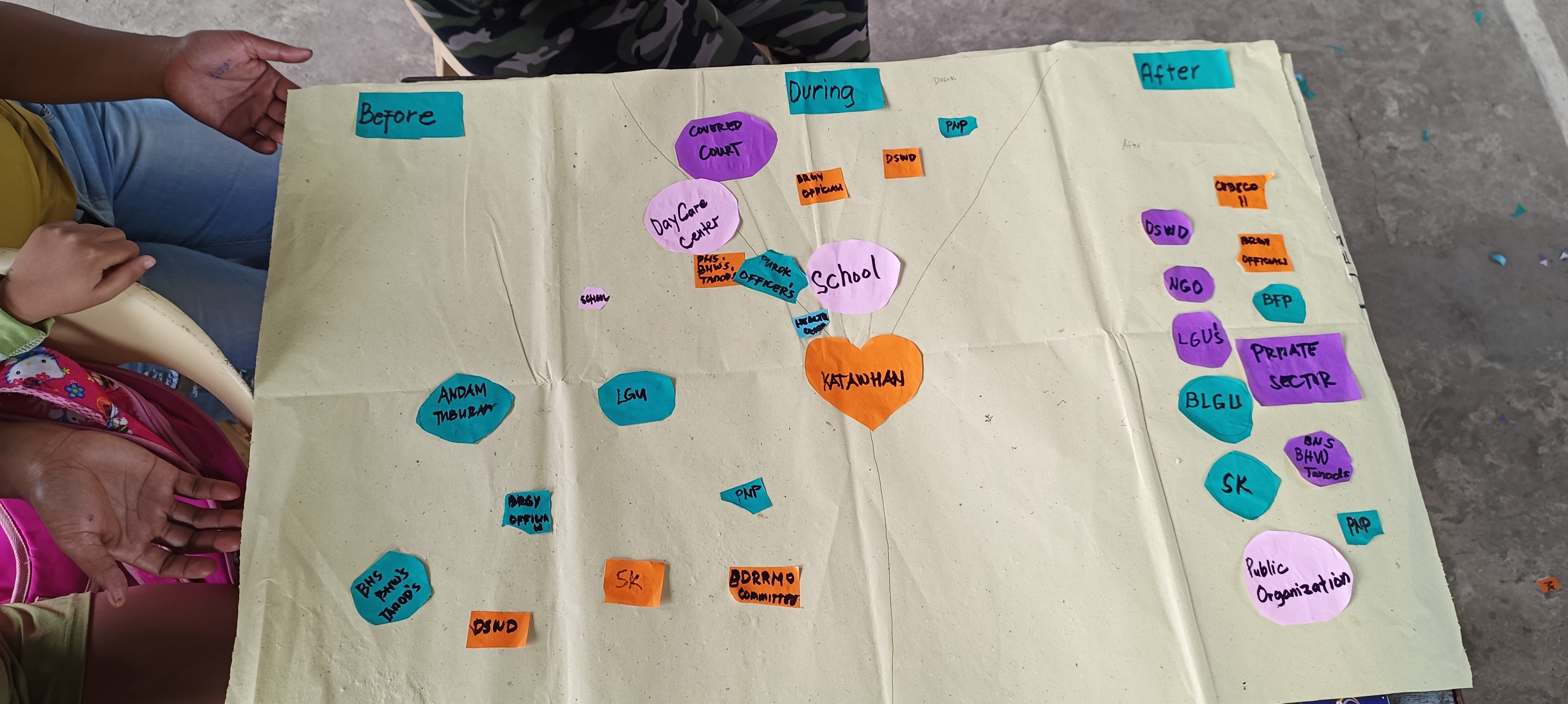
This project works to empower people with disabilities to participate in disaster risk reduction approaches in 20 local government units in Cebu Province. It will build capacity for 20 organizations of persons with disabilities to have a real voice in formal community planning processes, with the goal of influencing local government to break barriers, open spaces for inclusion, and encourage at-risk populations to take an active role in disaster preparedness, risk reduction and other community development agenda issues.