
exit

LESSON

Lesson Learned: For Participation of Persons with Disabilities in Disaster and Climate Risk Governance in the Philippines

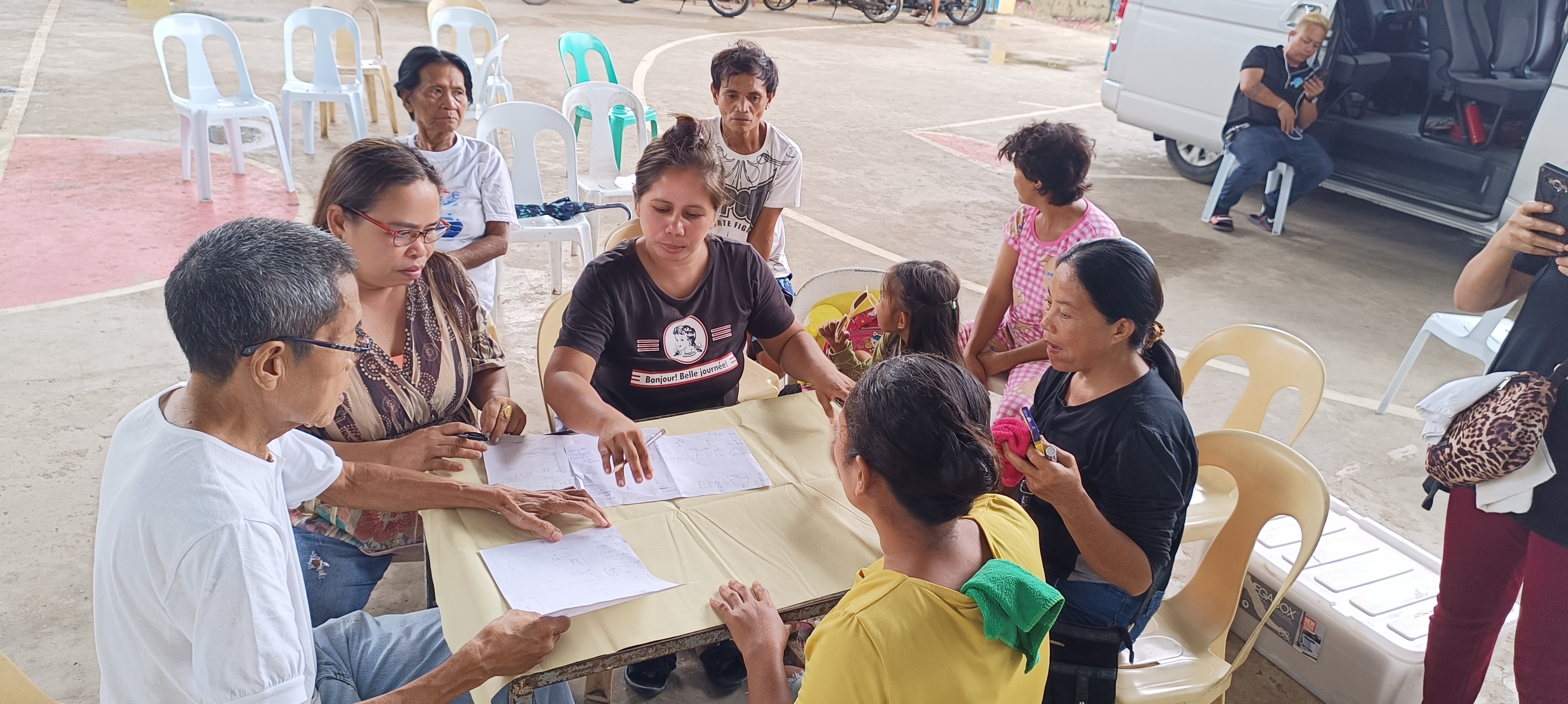
To avoid the vacuum associated with the end of projects, mentoring and monitoring of project partners should be part of the project's withdrawal plan, drawn up by the implementors in partnership with the Local Government Units and the civil society groups working with Persons with Disabilities. In the present case, this provision would have prevented the loss of learning from the project's training and workshops and, at the same time, provided the Organizations of Persons with Disabilities a sense of continuity on the variety of projects they were working on. All Organizations of Persons with Disabilities in the project already have some form of organizational structure, but they must be regularly mentored to continuously improve their representation at the local development council.
Project Partner
A2D Project-Research Group for Alternatives to Development Inc.
Project Description

This project works to empower people with disabilities to participate in disaster risk reduction approaches in 20 local government units in Cebu Province. It will build capacity for 20 organizations of persons with disabilities to have a real voice in formal community planning processes, with the goal of influencing local government to break barriers, open spaces for inclusion, and encourage at-risk populations to take an active role in disaster preparedness, risk reduction and other community development agenda issues.

Evaluation Date
December 2025
Country
LESSON

Lesson Learned: Narrowing the Gender Gap in Flood Affected Areas of Pakistan

Participants felt that the project had an abrupt ending and some were waiting for it to continue. The mobile phones that were given to the participants as part of the project were also returned to the grantee at the end so that the beneficiaries were not automatically able to continue to use the tools they had learned.
Project Partner
Pattan Development Organization
Project Description
The objective of the project was to reduce gender disparity and gender-based violence in eight flood affected districts of Pakistan. Its intended outcomes were: increased awareness of gender issues; increased progress towards certain Millennium Development Goals (MDG 3: gender equality and empowerment of women; MDG 4: reduced child mortality; and, MDG 5: improved maternal health); and increased capacity of women to counter gender discrimination and to hold government accountable. The project objectives were directly relevant to the needs to strengthen gender rights and equity within Pakistan and especially within rural, marginalized flood prone areas The grantee took a rights based approach that integrated men as well as women into the project activities and structures. This increased project relevance for the communities and helped to ensure that the women were able to participate in these male dominated areas.
Evaluation Date
July 2014
Country