
institutionalization

LESSON

Lesson Learned: For Participation of Persons with Disabilities in Disaster and Climate Risk Governance in the Philippines

To avoid the vacuum associated with the end of projects, mentoring and monitoring of project partners should be part of the project's withdrawal plan, drawn up by the implementors in partnership with the Local Government Units and the civil society groups working with Persons with Disabilities. In the present case, this provision would have prevented the loss of learning from the project's training and workshops and, at the same time, provided the Organizations of Persons with Disabilities a sense of continuity on the variety of projects they were working on. All Organizations of Persons with Disabilities in the project already have some form of organizational structure, but they must be regularly mentored to continuously improve their representation at the local development council.

Project Partner
A2D Project-Research Group for Alternatives to Development Inc.
Project Description

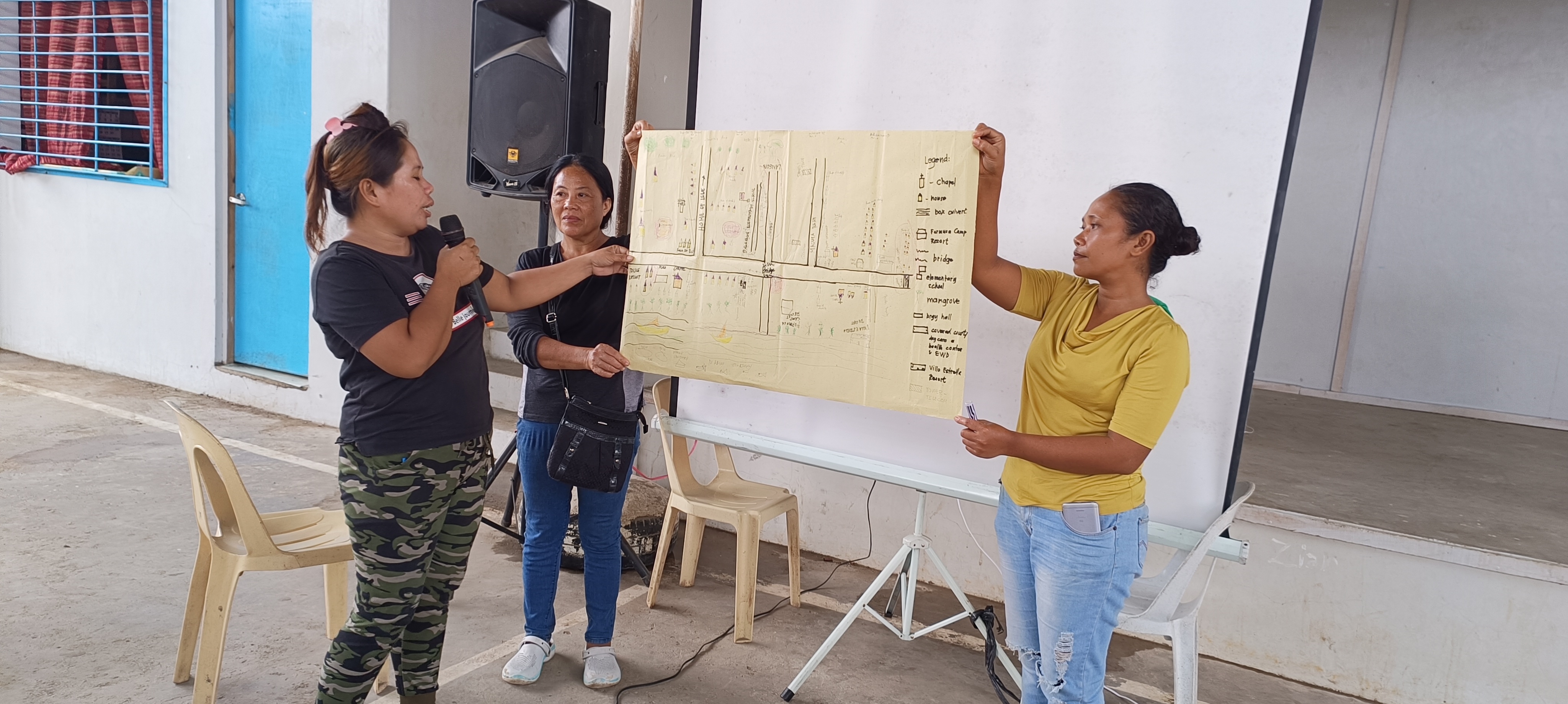
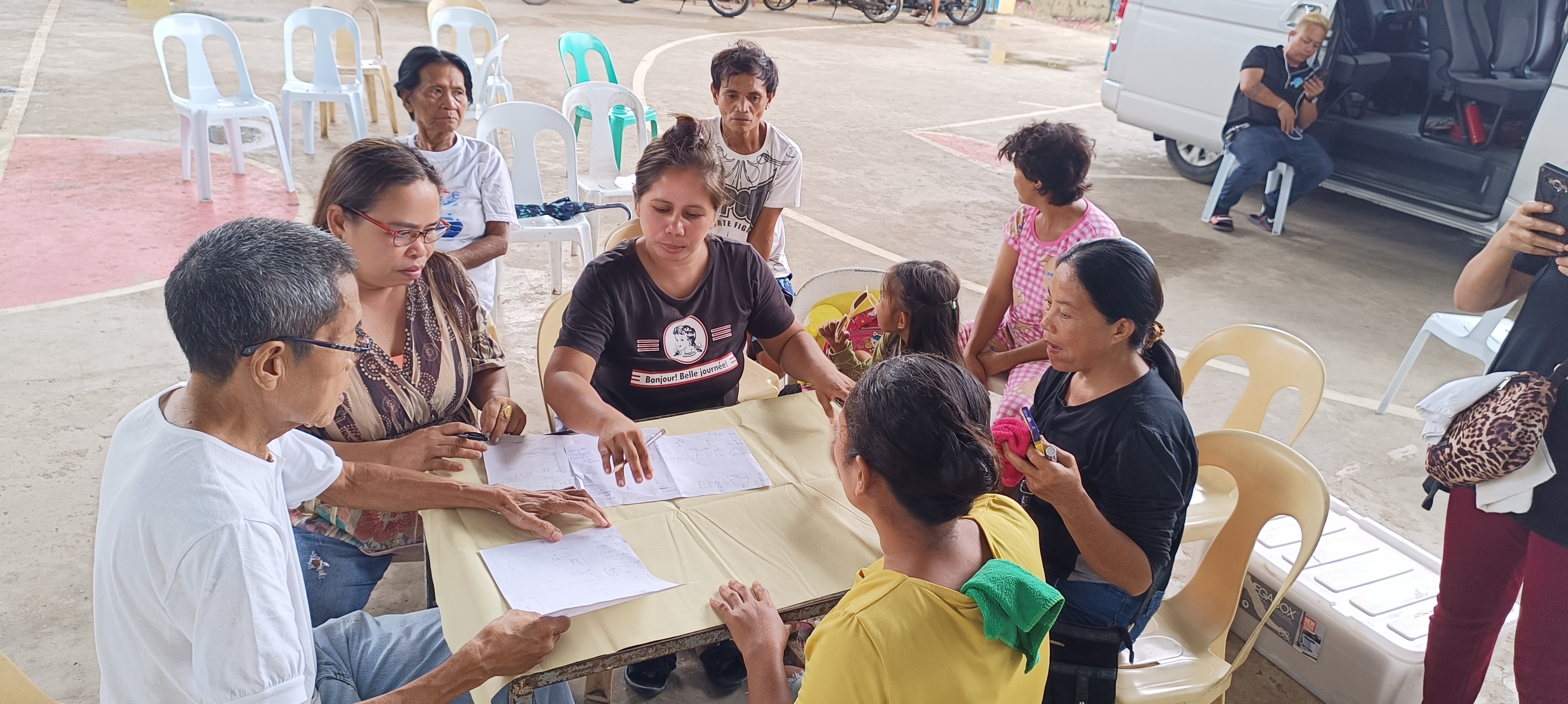
This project works to empower people with disabilities to participate in disaster risk reduction approaches in 20 local government units in Cebu Province. It will build capacity for 20 organizations of persons with disabilities to have a real voice in formal community planning processes, with the goal of influencing local government to break barriers, open spaces for inclusion, and encourage at-risk populations to take an active role in disaster preparedness, risk reduction and other community development agenda issues.

Evaluation Date
December 2025
Country
LESSON

Lesson Learned: For Participation of Persons with Disabilities in Disaster and Climate Risk Governance in the Philippines

The capacity development of Organizations of Persons with Disabilities to manage a viable livelihood enterprise requires a longer period than the usual project life span. Project efficiency could have been improved by prioritizing capacity building early on in the project, so that additional technical support and organizational mentoring could have been provided within the project timeframe, with adequate budget allocation. Compared to the present project's approach, future project designs should highlight the importance of early provisions for adequate organizational capability building, with sufficient time and budget allocation.
Project Partner
A2D Project-Research Group for Alternatives to Development Inc.
Project Description

This project works to empower people with disabilities to participate in disaster risk reduction approaches in 20 local government units in Cebu Province. It will build capacity for 20 organizations of persons with disabilities to have a real voice in formal community planning processes, with the goal of influencing local government to break barriers, open spaces for inclusion, and encourage at-risk populations to take an active role in disaster preparedness, risk reduction and other community development agenda issues.
Evaluation Date
December 2025
Country
LESSON

Lesson Learned: Enabling Local Information and Media Literacy for a Better-Informed Society in Colombia

Long-term sustainability and efficiency of a project is dependent on a building a strong network of partnerships with relevant actors such as civil society organisations, schools, and community media. Building and leaning on strong partnerships can allow projects to build on existing initiatives rather than act in isolation, duplicate efforts, and ensure longer-term funding and support from relevant actors. For example, in this project a Training-of-Trainers approach through partnering with academic institutions to implement a diploma in an academic setting could have ensured the programme’s continuation to train new cohorts of teachers and expanded its national reach. Additionally, supporting projects to develop independent income streams through partnerships with government agencies, philanthropies, or private actors could work to reduce dependence on stipends in the long-term.

UDF-19-870-COL_4
Project Partner
Fundación para la Libertad de Prensa/ Press Freedom Foundation
Project Description

This strategic four-year project works to increase the presence of local news in rural areas of Colombia, so as to encourage civic participation, sound governance and democratic discussion. Building on previous projects the grantee has implemented for UNDEF, journalism labs will expand from two regions to four, bringing more media and digital literacy training programmes to community leaders and groups, women and young people; support post-training local content production and communication to ensure at least one monthly product on local issues; and build an experimental media and digital literacy programme for local schools. The project is highly relevant in the Covid-19 world and its aftermath, where the fight against disinformation and for freedom of information, media literacy and online safety will be crucial; and where it will be essential to advance understanding of the specific impact of the crisis on women and young people, ensuring that responses uphold their rights and are inclusive of their needs.

Evaluation Date
August 2025
Theme
Country