Enabling Local Information and Media Literacy for a Better-Informed Society in Colombia
Lesson Learned: Enabling Local Information and Media Literacy for a Better-Informed Society in Colombia
In contexts affected by conflict and/or institutional neglect, participatory methodologies should be incorporated into the project design. Projects that rely on top-down or pre-defined agendas risk rejection or superficial engagement, whereas participatory methods strengthen both social cohesion, and democratic outcomes. The project worked in municipalities with low social cohesion and high distrust towards external actors. The implementors of this project responded by holding preliminary dialogues with local stakeholders, enabling participants to define their own reporting agendas and more.
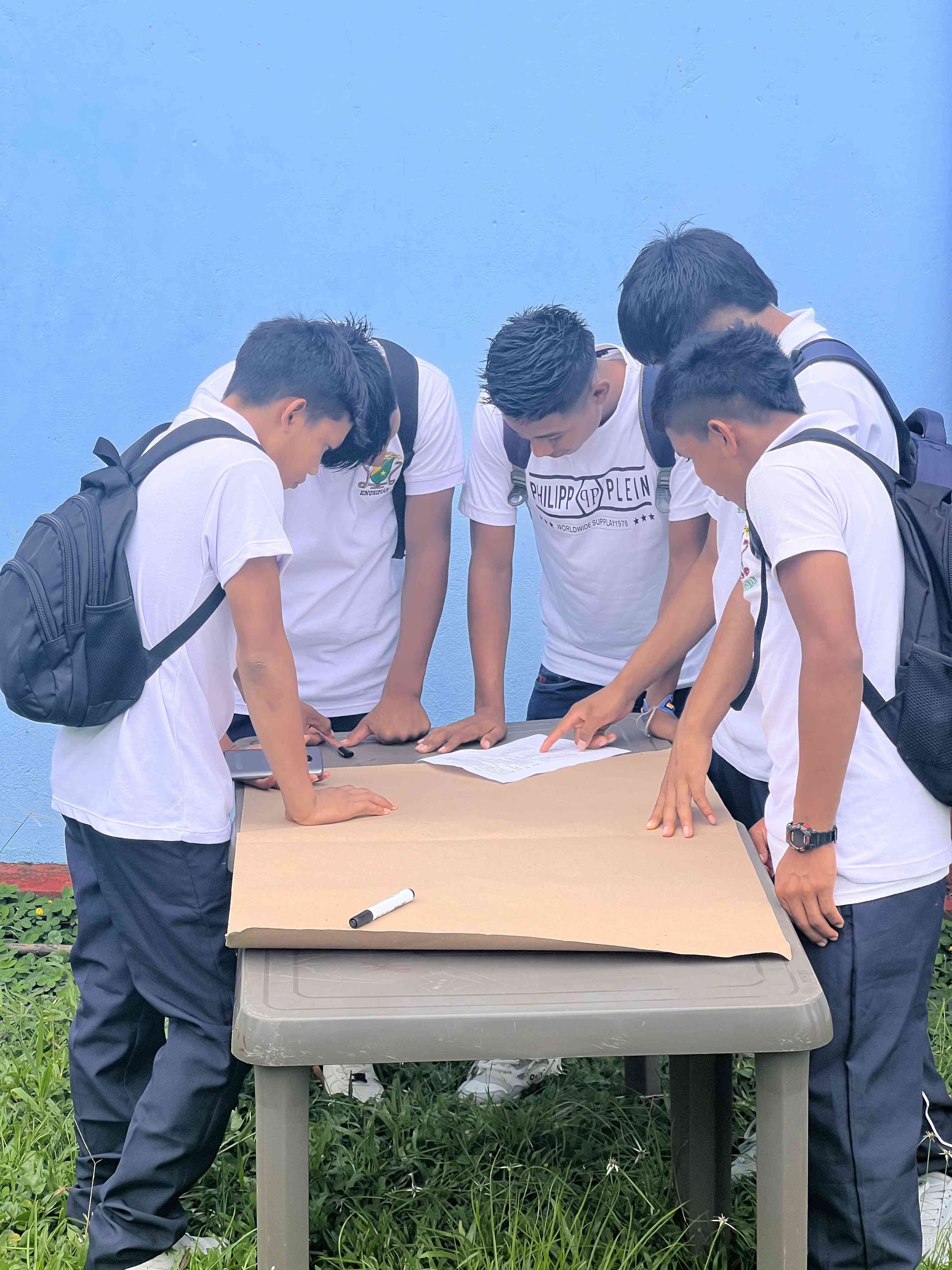
This strategic four-year project works to increase the presence of local news in rural areas of Colombia, so as to encourage civic participation, sound governance and democratic discussion. Building on previous projects the grantee has implemented for UNDEF, journalism labs will expand from two regions to four, bringing more media and digital literacy training programmes to community leaders and groups, women and young people; support post-training local content production and communication to ensure at least one monthly product on local issues; and build an experimental media and digital literacy programme for local schools. The project is highly relevant in the Covid-19 world and its aftermath, where the fight against disinformation and for freedom of information, media literacy and online safety will be crucial; and where it will be essential to advance understanding of the specific impact of the crisis on women and young people, ensuring that responses uphold their rights and are inclusive of their needs.
Lesson Learned: Enabling Local Information and Media Literacy for a Better-Informed Society in Colombia
Projects should be designed to be adaptable, flexible, and sensitive to the context(s) in which they take place – especially when a project operates across territorially or culturally differentiated contexts. In this project, the use of intercultural and gender-sensitive methodologies such as differentiated accompaniment in Indigenous communities and allowing women to participate in sessions with children addressed different linguistic, cultural, and gender-related barriers. Additionally, challenges related to limited digital connectivity were mitigated through flexible delivery methods (print materials, WhatsApp and phone calls, recorded sessions).
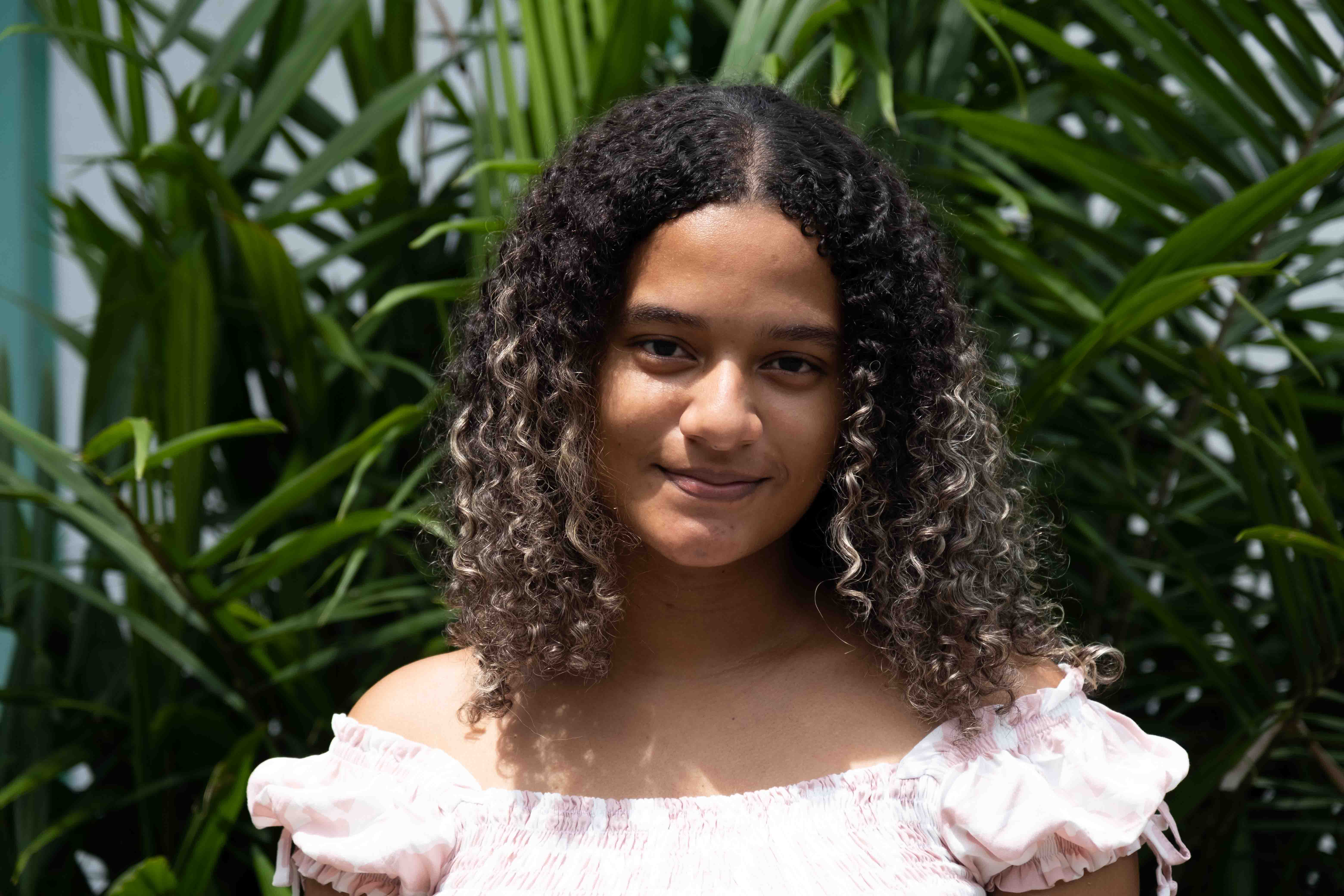
This strategic four-year project works to increase the presence of local news in rural areas of Colombia, so as to encourage civic participation, sound governance and democratic discussion. Building on previous projects the grantee has implemented for UNDEF, journalism labs will expand from two regions to four, bringing more media and digital literacy training programmes to community leaders and groups, women and young people; support post-training local content production and communication to ensure at least one monthly product on local issues; and build an experimental media and digital literacy programme for local schools. The project is highly relevant in the Covid-19 world and its aftermath, where the fight against disinformation and for freedom of information, media literacy and online safety will be crucial; and where it will be essential to advance understanding of the specific impact of the crisis on women and young people, ensuring that responses uphold their rights and are inclusive of their needs.
Lesson Learned: Enabling Local Information and Media Literacy for a Better-Informed Society in Colombia
Long-term sustainability and efficiency of a project is dependent on a building a strong network of partnerships with relevant actors such as civil society organisations, schools, and community media. Building and leaning on strong partnerships can allow projects to build on existing initiatives rather than act in isolation, duplicate efforts, and ensure longer-term funding and support from relevant actors. For example, in this project a Training-of-Trainers approach through partnering with academic institutions to implement a diploma in an academic setting could have ensured the programme’s continuation to train new cohorts of teachers and expanded its national reach. Additionally, supporting projects to develop independent income streams through partnerships with government agencies, philanthropies, or private actors could work to reduce dependence on stipends in the long-term.
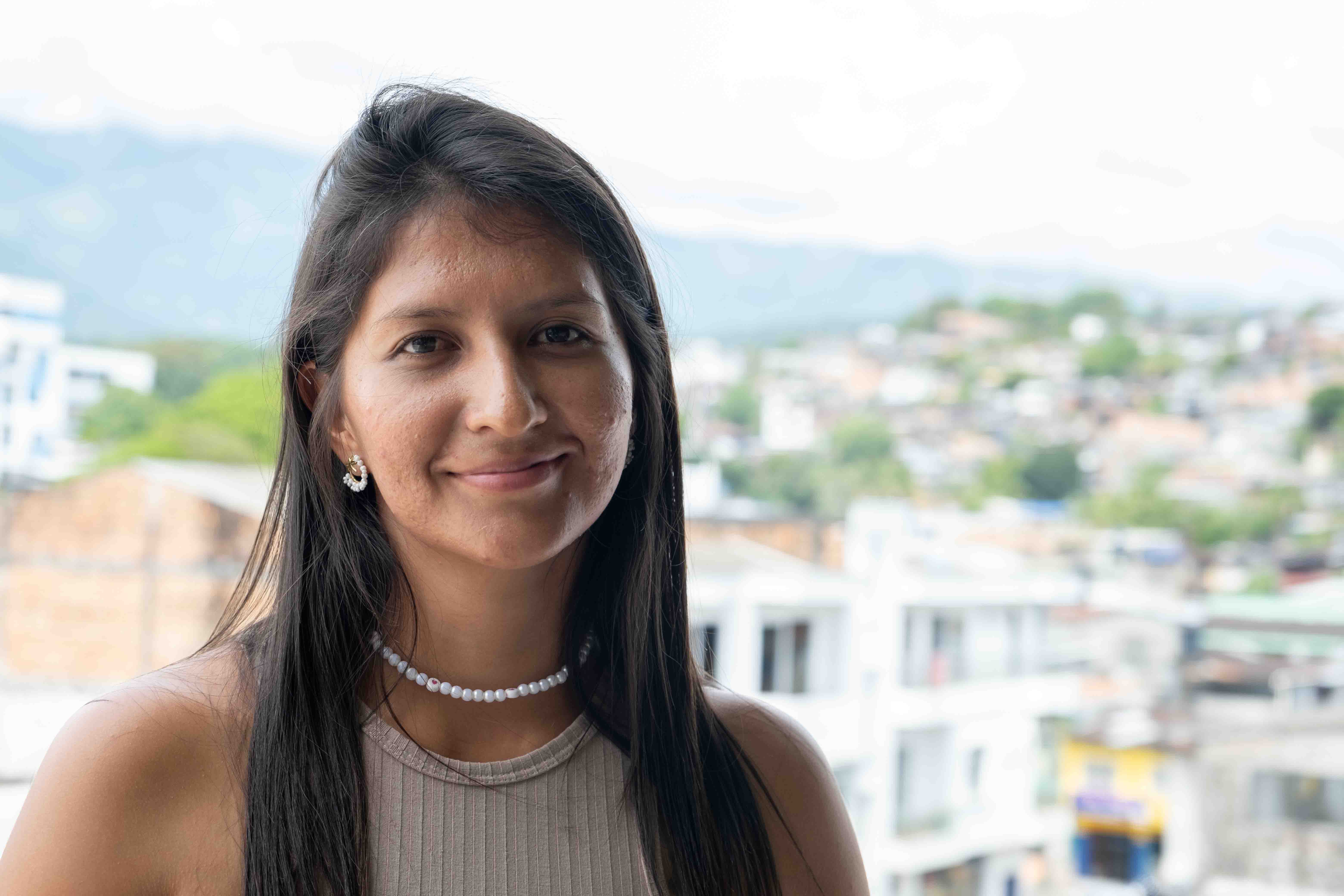
This strategic four-year project works to increase the presence of local news in rural areas of Colombia, so as to encourage civic participation, sound governance and democratic discussion. Building on previous projects the grantee has implemented for UNDEF, journalism labs will expand from two regions to four, bringing more media and digital literacy training programmes to community leaders and groups, women and young people; support post-training local content production and communication to ensure at least one monthly product on local issues; and build an experimental media and digital literacy programme for local schools. The project is highly relevant in the Covid-19 world and its aftermath, where the fight against disinformation and for freedom of information, media literacy and online safety will be crucial; and where it will be essential to advance understanding of the specific impact of the crisis on women and young people, ensuring that responses uphold their rights and are inclusive of their needs.
Lesson Learned: Enabling Local Information and Media Literacy for a Better-Informed Society in Colombia
The strategic selection of municipalities and/or participants can significantly increase the relevance and impact of a project. This project not only prioritized information deserts but focused on working with participants that demonstrated a strong willingness to engage, as well as strong embeddedness in community structures. The participants recruited reflected the diversity of local leadership that already held influence in their communities, including teachers, Indigenous communicators, women leaders, youth activists, and community organizers.
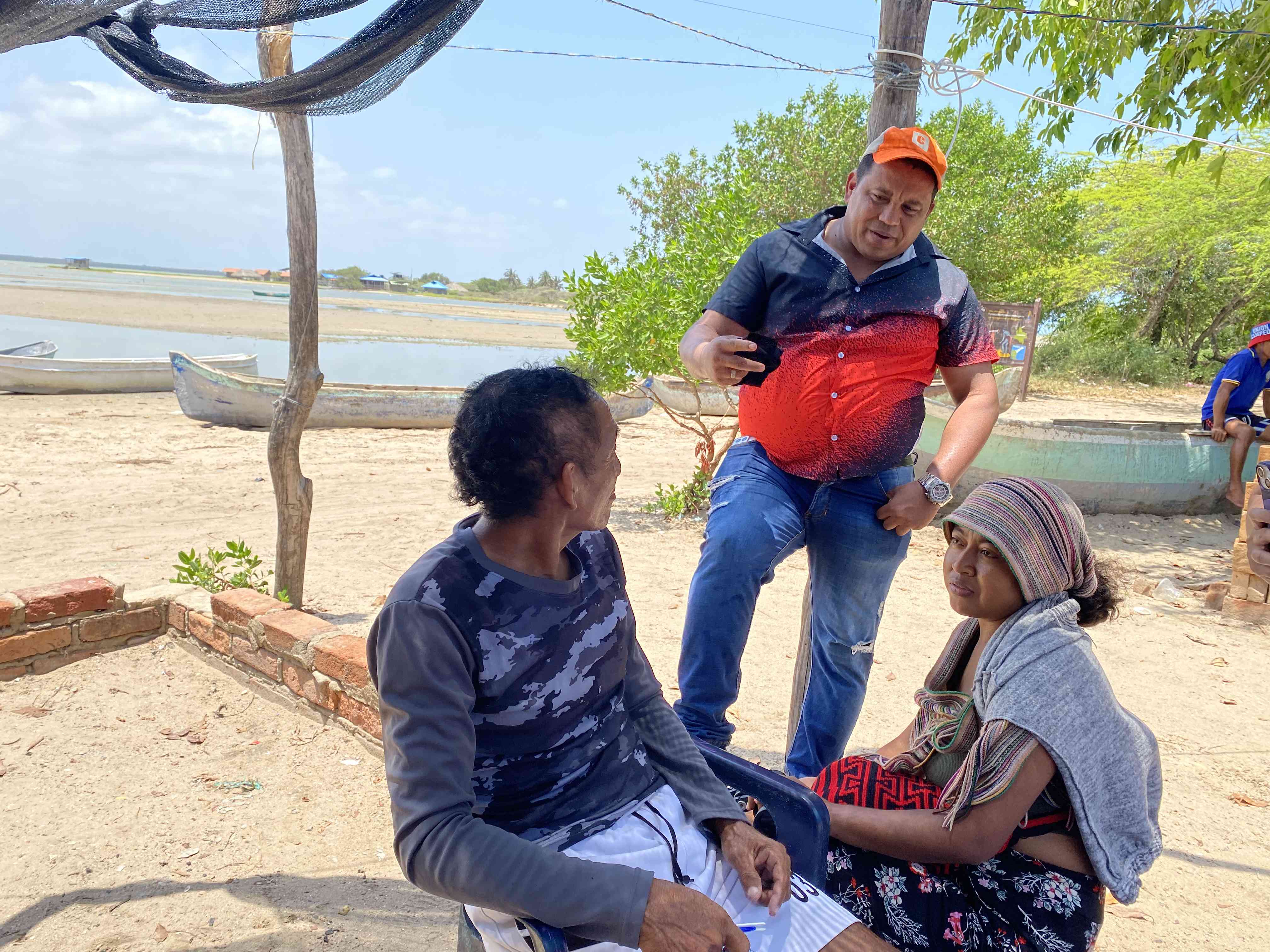
This strategic four-year project works to increase the presence of local news in rural areas of Colombia, so as to encourage civic participation, sound governance and democratic discussion. Building on previous projects the grantee has implemented for UNDEF, journalism labs will expand from two regions to four, bringing more media and digital literacy training programmes to community leaders and groups, women and young people; support post-training local content production and communication to ensure at least one monthly product on local issues; and build an experimental media and digital literacy programme for local schools. The project is highly relevant in the Covid-19 world and its aftermath, where the fight against disinformation and for freedom of information, media literacy and online safety will be crucial; and where it will be essential to advance understanding of the specific impact of the crisis on women and young people, ensuring that responses uphold their rights and are inclusive of their needs.
Lesson Learned: Enabling Local Information and Media Literacy for a Better-Informed Society in Colombia
The impact of this project could be amplified through strategic communication and advocacy efforts. Stories that illustrate the transformative impact of local journalism on governance and community empowerment can serve as strong advocacy tools to expand the reach of local initiatives. Through collaboration with mainstream outlets or national journalism forums, the experiences of communities could even influence national policy discussions.
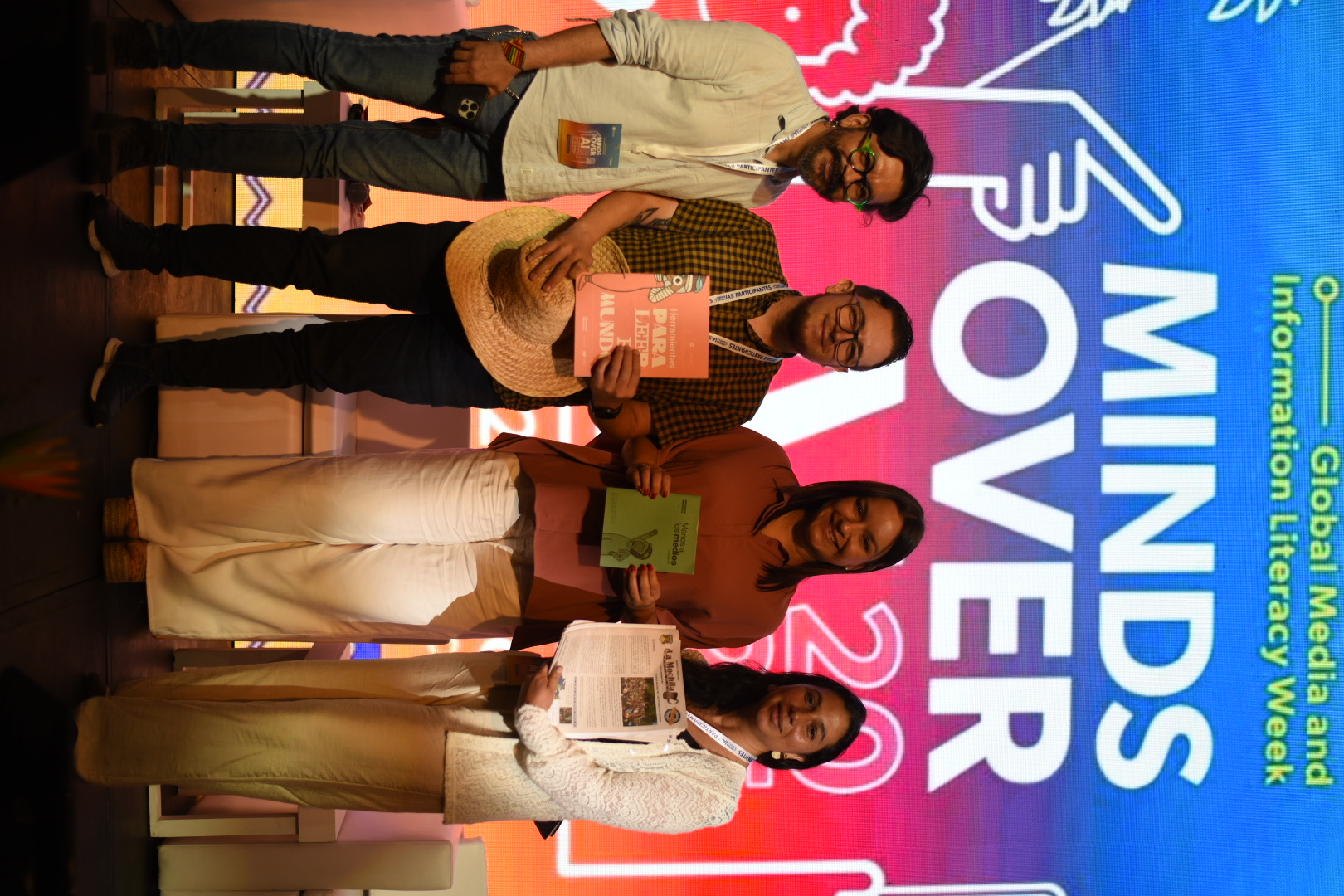
This strategic four-year project works to increase the presence of local news in rural areas of Colombia, so as to encourage civic participation, sound governance and democratic discussion. Building on previous projects the grantee has implemented for UNDEF, journalism labs will expand from two regions to four, bringing more media and digital literacy training programmes to community leaders and groups, women and young people; support post-training local content production and communication to ensure at least one monthly product on local issues; and build an experimental media and digital literacy programme for local schools. The project is highly relevant in the Covid-19 world and its aftermath, where the fight against disinformation and for freedom of information, media literacy and online safety will be crucial; and where it will be essential to advance understanding of the specific impact of the crisis on women and young people, ensuring that responses uphold their rights and are inclusive of their needs.