
methodology

LESSON

Lesson Learned: Enabling Local Information and Media Literacy for a Better-Informed Society in Colombia

Projects should be designed to be adaptable, flexible, and sensitive to the context(s) in which they take place – especially when a project operates across territorially or culturally differentiated contexts. In this project, the use of intercultural and gender-sensitive methodologies such as differentiated accompaniment in Indigenous communities and allowing women to participate in sessions with children addressed different linguistic, cultural, and gender-related barriers. Additionally, challenges related to limited digital connectivity were mitigated through flexible delivery methods (print materials, WhatsApp and phone calls, recorded sessions).
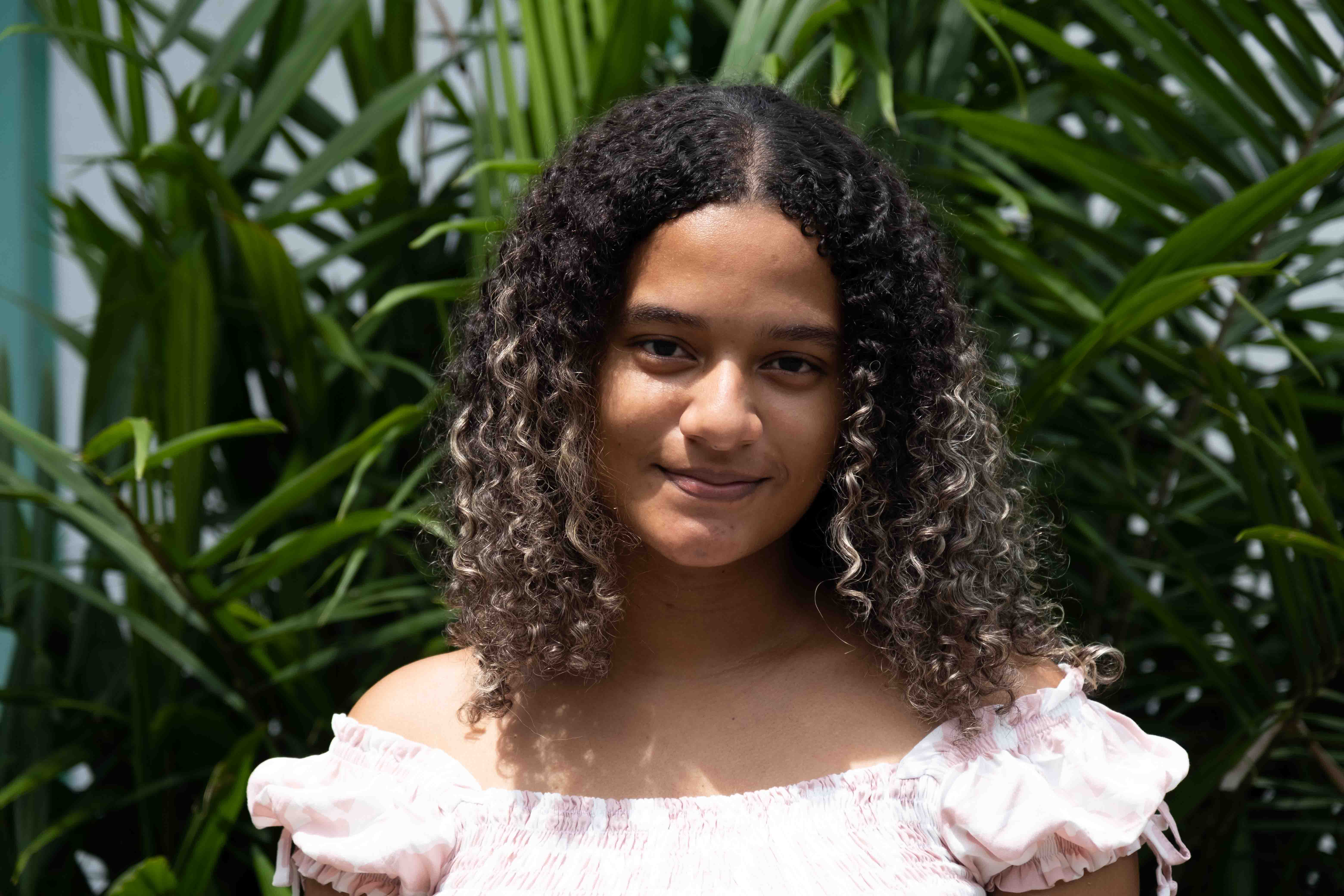
UDF-19-870-COL_1
Project Partner
Fundación para la Libertad de Prensa/ Press Freedom Foundation
Project Description

This strategic four-year project works to increase the presence of local news in rural areas of Colombia, so as to encourage civic participation, sound governance and democratic discussion. Building on previous projects the grantee has implemented for UNDEF, journalism labs will expand from two regions to four, bringing more media and digital literacy training programmes to community leaders and groups, women and young people; support post-training local content production and communication to ensure at least one monthly product on local issues; and build an experimental media and digital literacy programme for local schools. The project is highly relevant in the Covid-19 world and its aftermath, where the fight against disinformation and for freedom of information, media literacy and online safety will be crucial; and where it will be essential to advance understanding of the specific impact of the crisis on women and young people, ensuring that responses uphold their rights and are inclusive of their needs.

Evaluation Date
August 2025
Theme
Country
LESSON

Lesson Learned: Am I Equal in Kosovo Society?


To ensure meaningful and effective assessment of project results, use 'SMART' target indicators (specific, measurable, achievable, relevant, and time-bound). Organizations should use comparisons of pre- and post-project surveys to determine how their projects' specific activities and results have contributed towards the achievement of the projects' outcomes.


Project Partner
INC Network of Media
Project Description
The project aims to enhance the role of women in Kosovo, through media, by focusing on three key topics: violence against women, discrimination in employment, and sexual harassment. The project will raise awareness on the above mentioned issues via radio, TV, and internet; increasing the capacity of women and key stakeholders through training, workshops, and meetings. Additionally, the project will directly engage with public authorities and private employers to advocate for the implementation of anti-discriminatory laws, policies and practices.
Evaluation Date
July 2018
Theme
Country
LESSON

Lesson Learned: Women Can Do It – Balanced Participation in Decision-Making

Key factors in project effectiveness included the soundness of project training and training-of-trainers methodology, as refined over the years since its launch in Norway, its adaptation in the Balkans and elsewhere, and by the grantee through 10 years of experience in working with it in Moldova. Closely related was the quality of the 26-member Training Team, the care taken in its selection and preparation, and the practical relevance and comprehensiveness of the Trainers’ Guide and Manual.
Project Partner
Political Club of Women 50/50
Project Description
The purpose of the project was to empower women and encourage them to participate as candidates in the local elections in Moldova in 2011. The project’s methodology, as well as the philosophy and psychology of learning guiding it, derived from a training programme begun by the women’s organization of the Norwegian Labour Party developed in the early 1990s. The grantee utilized the core methodology in earlier, smaller-scale projects since 2001-2002. The emphasis throughout the project process was on building self-confidence and providing guidance on how to overcome the barriers to women realizing their potential as actors in the political process. The approach adopted proved highly pertinent to those involved, not only in relation to public life, but also in enabling them to rethink their place in the workplace, in the family, and in everyday life.
Evaluation Date
September 2011
LESSON

Lesson Learned: Strengthening the Leadership of Women in Local Democracy – Gram Panchayats (Village Councils in India)

The collection of baseline data from the elected women before they participated in the project’s capacity building activities progressed very slowly as implementing partners were unfamiliar with the methodology of the baseline survey. A second survey to determine the project's outcome was not carried out before the end of the project.
Project Partner
The Hunger Project - India
Project Description
The project aimed to strengthen the leadership of women elected into Gram Panchayats (Village Councils) in the state of Rajasthan. Project activities were undertaken pre- and post-elections. Pre-election the activities involved championing the women candidates. Post-election the project focused on helping women fulfill their roles and responsibilities as elected women representatives (EWRs). A pre-election campaign focused on the dissemination of simplified, complete and accurate information. The goal of this information was to counter various myths and misunderstandings that were used to discourage prospective women candidates. Campaign materials were well researched and created with great care, taking into account local needs and conditions. Following the elections, residential leadership workshops instilled confidence, self-respect, dignity and solidarity among the women representatives.
Evaluation Date
September 2011
Country