
geography

LESSON

Lesson Learned: Enabling Local Information and Media Literacy for a Better-Informed Society in Colombia

Projects should be designed to be adaptable, flexible, and sensitive to the context(s) in which they take place – especially when a project operates across territorially or culturally differentiated contexts. In this project, the use of intercultural and gender-sensitive methodologies such as differentiated accompaniment in Indigenous communities and allowing women to participate in sessions with children addressed different linguistic, cultural, and gender-related barriers. Additionally, challenges related to limited digital connectivity were mitigated through flexible delivery methods (print materials, WhatsApp and phone calls, recorded sessions).
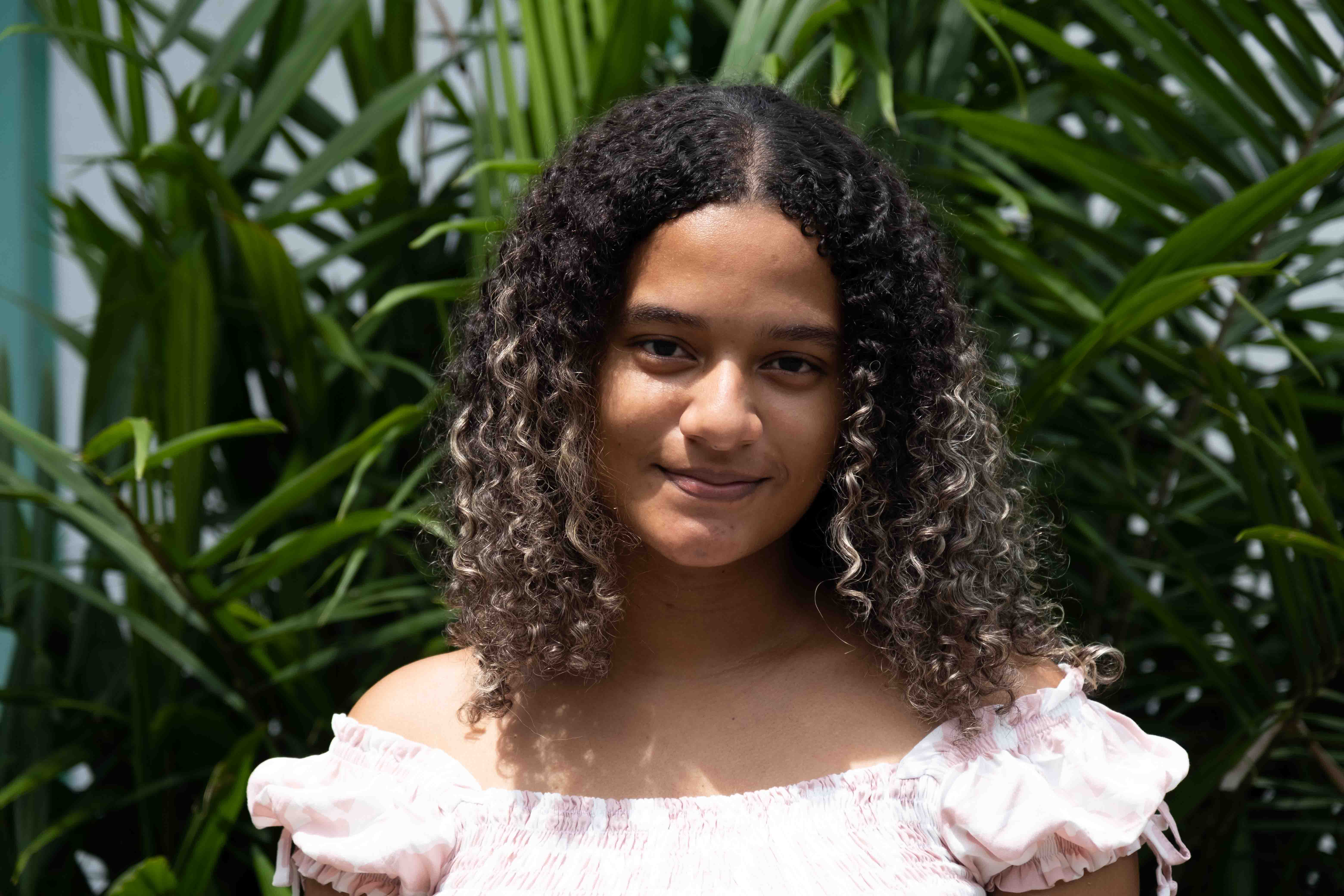
UDF-19-870-COL_1
Project Partner
Fundación para la Libertad de Prensa/ Press Freedom Foundation
Project Description

This strategic four-year project works to increase the presence of local news in rural areas of Colombia, so as to encourage civic participation, sound governance and democratic discussion. Building on previous projects the grantee has implemented for UNDEF, journalism labs will expand from two regions to four, bringing more media and digital literacy training programmes to community leaders and groups, women and young people; support post-training local content production and communication to ensure at least one monthly product on local issues; and build an experimental media and digital literacy programme for local schools. The project is highly relevant in the Covid-19 world and its aftermath, where the fight against disinformation and for freedom of information, media literacy and online safety will be crucial; and where it will be essential to advance understanding of the specific impact of the crisis on women and young people, ensuring that responses uphold their rights and are inclusive of their needs.

Evaluation Date
August 2025
Theme
Country
LESSON

Lesson Learned: Strengthening the Political Participation of Communities of Former Slaves

The project was supported by a project manager based in Nouakchott (around 1,000 km away from the zone of intervention) and had a team of two facilitators in Aîoun, the capital of the region, located about 100 km from the villages targeted. Given the limited human resources available for the project, it did not sufficiently consider the geographical challenges of the region, in which villages are widely dispersed and difficult to access given the lack of roads. Remote project management and external consultants caused an imbalanced budget, which was to the detriment of beneficiaries.
Project Partner
Agence de Coopération et de Recherche pour le Développement
Project Description
The project’s objective was to reinforce the political participation of former slaves, by promoting the equality of rights between former slaves (Harratines) and former masters (Bydhanes) in order to maintain inter-community peace in the region of Hoch El Gharbi, desert areas located in the South-East of Mauritania. The project was implemented in 40 villages including 120 Adwabas (isolated areas populated by former slaves), and focused on Harratines’ literacy, civic education, community capacity building and inter-community dialogue between them and the Bydhanes. Various factors that remained unaddressed limited the project’s relevance: including attitudes towards slavery and lack of engagement from authorities on this issue. In addition the Harratines do not have the operational and institutional capacity to represent their own interests in the political arena.
Evaluation Date
January 2015
Country