
civic

LESSON

Lesson Learned: Enabling Local Information and Media Literacy for a Better-Informed Society in Colombia

In contexts affected by conflict and/or institutional neglect, participatory methodologies should be incorporated into the project design. Projects that rely on top-down or pre-defined agendas risk rejection or superficial engagement, whereas participatory methods strengthen both social cohesion, and democratic outcomes. The project worked in municipalities with low social cohesion and high distrust towards external actors. The implementors of this project responded by holding preliminary dialogues with local stakeholders, enabling participants to define their own reporting agendas and more.
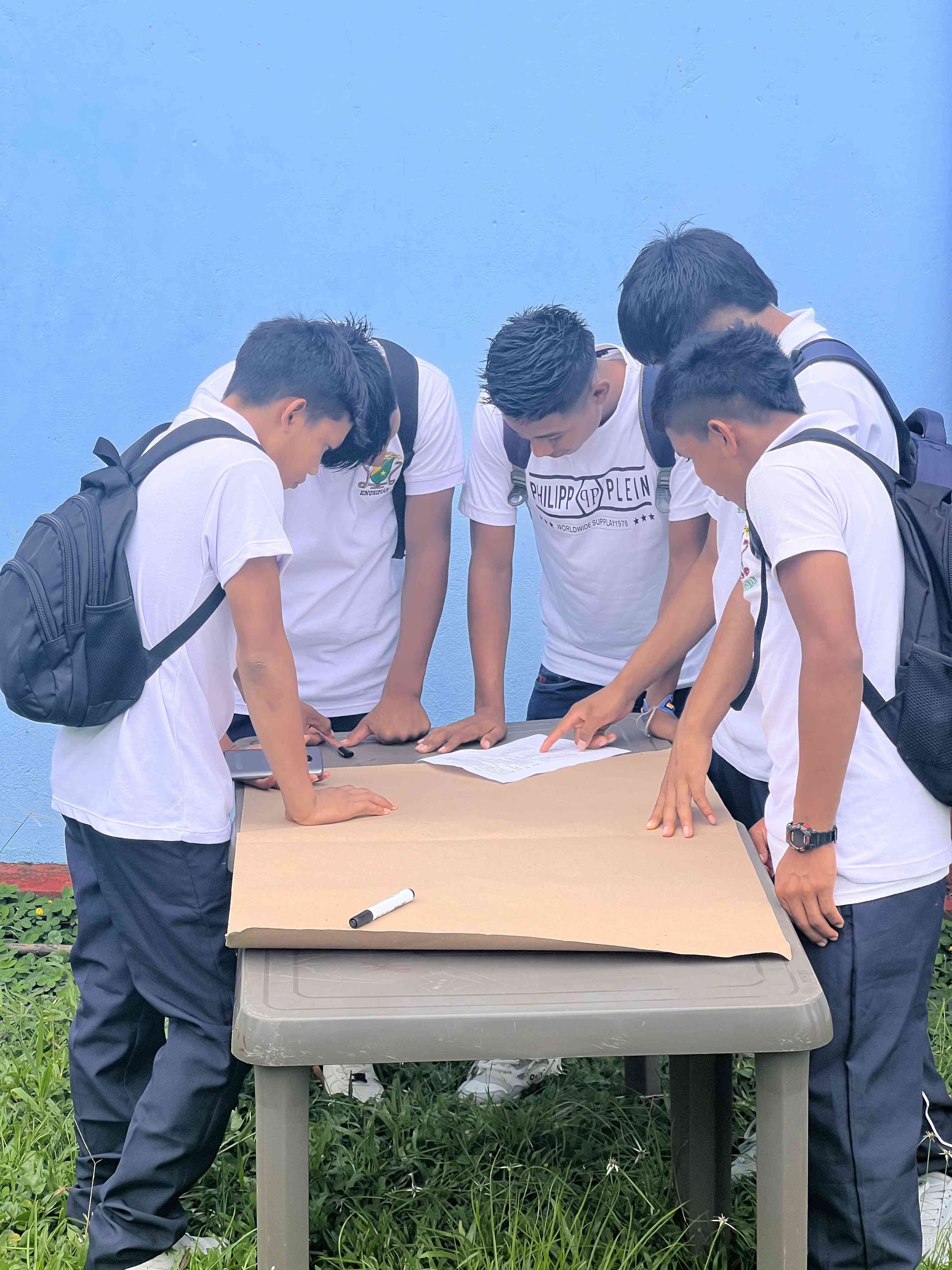
UDF-19-870-COL_3
Project Partner
Fundación para la Libertad de Prensa/ Press Freedom Foundation
Project Description

This strategic four-year project works to increase the presence of local news in rural areas of Colombia, so as to encourage civic participation, sound governance and democratic discussion. Building on previous projects the grantee has implemented for UNDEF, journalism labs will expand from two regions to four, bringing more media and digital literacy training programmes to community leaders and groups, women and young people; support post-training local content production and communication to ensure at least one monthly product on local issues; and build an experimental media and digital literacy programme for local schools. The project is highly relevant in the Covid-19 world and its aftermath, where the fight against disinformation and for freedom of information, media literacy and online safety will be crucial; and where it will be essential to advance understanding of the specific impact of the crisis on women and young people, ensuring that responses uphold their rights and are inclusive of their needs.
Evaluation Date
August 2025
Theme
Country
LESSON

Lesson Learned: Enabling National Initiatives to Take Democracy Beyond Elections

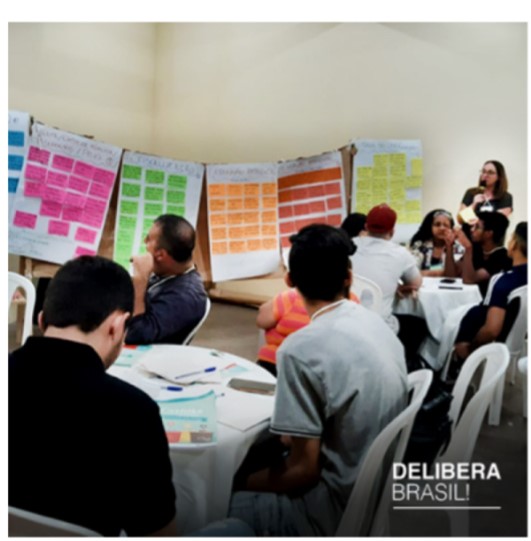
Providing local actors with an interest in running Citizen Assemblies with access to global networks, knowledge and experts who can offer guidance and learnings from their experiences is key in supporting their successful adaptation. In this project UNDEFs Implementing Partner offered valuable technical support and access to practitioner networks that supported local partner implementation and offered opportunities for sustained engagement around the Citizen Assembly model.

Project Partner
The newDemocracy Foundation
Project Description

Making democracies more inclusive requires bold and innovative reforms to bring the young, the poor, and minorities into the political system. Some countries have piloted initiatives for assemblies on specific issues where members are not nominated by political parties but chosen at random for a limited term to represent all sectors of society, to prevent the formation of self-serving and self-perpetuating political classes disconnected from their electorates. The project aims to enable more countries to develop initiatives of this kind. It will develop and distribute a handbook on ‘Democracy Beyond Elections’ designed to show how nations at various levels of development can apply the principles of representation and deliberation in ways that are appropriate to their economic and educational circumstances. The project will fund three pilot projects to further the demonstration effect and produce a documentary based on one of these to demonstrate how deliberative democracy can work in practice. Among citizens, the project will work to build the sense that ordinary people are involved in making decisions that affect them, and thus to promote trust in Government. Among elected representatives, the project will work to stimulate a greater openness to complementary democratic models in which citizens explore and recommend policy solutions on key issues.

Evaluation Date
March 2025
LESSON

Lesson Learned: Enabling National Initiatives to Take Democracy Beyond Elections

Adapting standardised models that are built on globally accepted principles to local contextual realities is essential for the successful implementation of deliberative democracy approaches. This extends to the selection of members and the approaches used to engage stakeholders and is most effectively done in partnership with a credible local organization that is interested in, or has a track record working on, similar initiatives. In this case UNDEF’s Implementing Partner chose to work with organizations and individuals with local connections and knowledge that complemented well its own practical experience with Citizen Assemblies.

Project Partner
The newDemocracy Foundation
Project Description

Making democracies more inclusive requires bold and innovative reforms to bring the young, the poor, and minorities into the political system. Some countries have piloted initiatives for assemblies on specific issues where members are not nominated by political parties but chosen at random for a limited term to represent all sectors of society, to prevent the formation of self-serving and self-perpetuating political classes disconnected from their electorates. The project aims to enable more countries to develop initiatives of this kind. It will develop and distribute a handbook on ‘Democracy Beyond Elections’ designed to show how nations at various levels of development can apply the principles of representation and deliberation in ways that are appropriate to their economic and educational circumstances. The project will fund three pilot projects to further the demonstration effect and produce a documentary based on one of these to demonstrate how deliberative democracy can work in practice. Among citizens, the project will work to build the sense that ordinary people are involved in making decisions that affect them, and thus to promote trust in Government. Among elected representatives, the project will work to stimulate a greater openness to complementary democratic models in which citizens explore and recommend policy solutions on key issues.

Evaluation Date
March 2025