Lesson Learned: Deliberative Democracy and Citizen Assemblies to Fight Inequality and Poverty in Brazil
There could have been more evaluator engagement with Citizen Assembly (CA) members (the same was said for the post project evaluation that looked at the UNDEF project UDF-17-739-GLO of 2018-2022). Agree in advance, who and how many participants would be acceptable, and factor in sufficient time and resources to make best use of tools such as Focus Groups. When drawing up inception reports/launch notes, include the OECD Evaluation Guidelines for Representative Deliberative Processes, especially the three-step evaluation cycle: (1) process design integrity; (2) deliberative experience; and (3) pathways to impact. Evaluating projects on participatory/deliberative democracy is a relatively new practice for Monitoring and Evaluation, and some lessons can be drawn from the experience of this project.
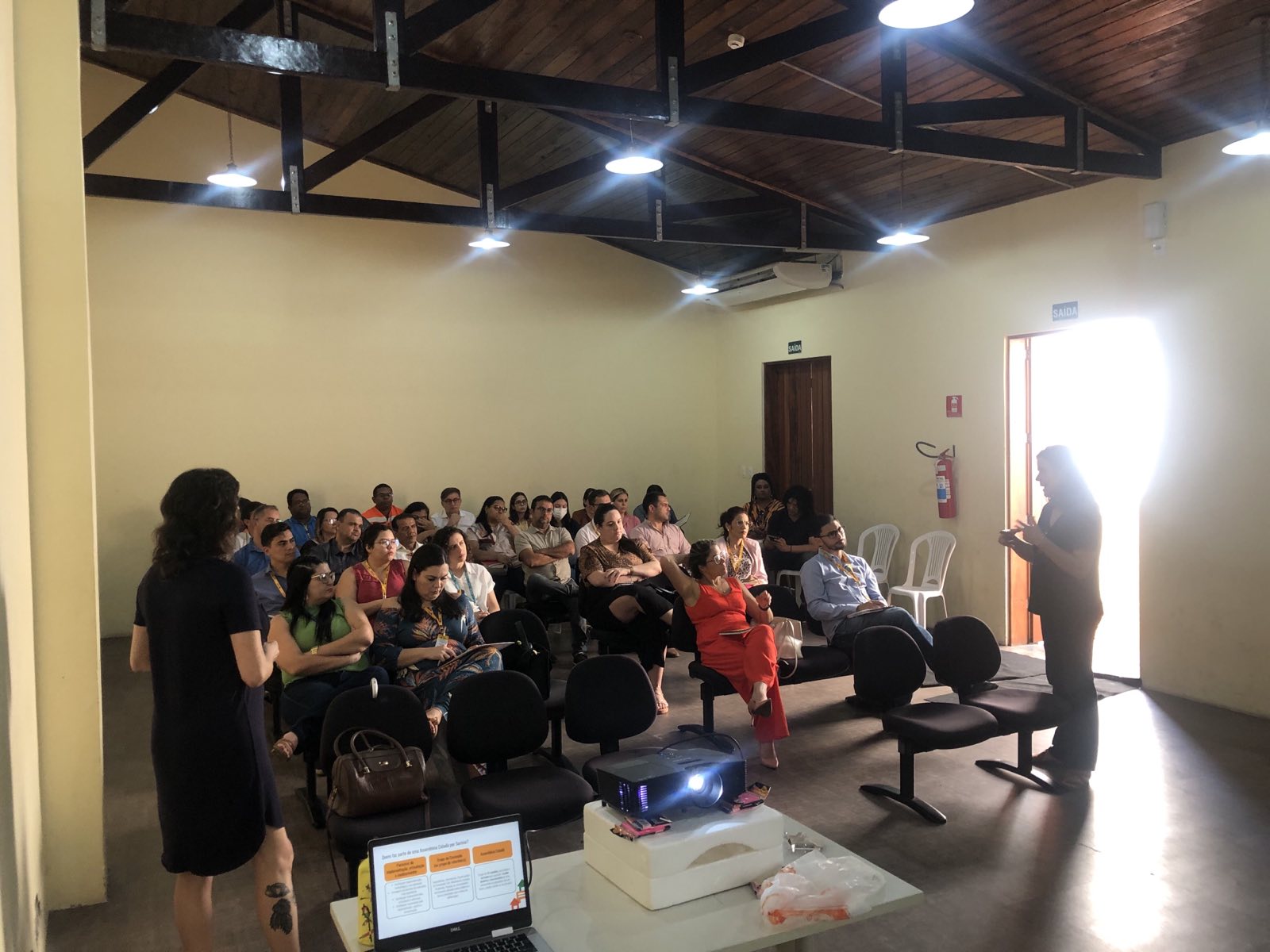
Working in collaboration with municipal governments and civil society, the project seeks to establish Citizen Assemblies in three cities in Brazil to facilitate public participation in policymaking to address poverty and inequality. Building on experience from Brazil and elsewhere, the aim is to demonstrate to public managers, political leaders and citizens alike the feasibility and value of open, inclusive deliberation to build sustainable and widely supported policy responses to complex issues. Results and lessons from the project’s three pilot efforts will be shared at national level. Increased cooperation among policymakers and civil society will address declining public political participation even as it contributes to more equitable and sustainable urban development. The project includes activities relevant to the Covid-19 crisis as it impacts civil society and ensuring that responses uphold their rights and are inclusive of their needs.