Youth engagement

LESSON

Lesson Learned: Student Civic Action: Engaging and Empowering Emerging Leaders in Universities in Jordan

The project did a good baseline survey before its workshops and collected disaggregated data, but the follow up survey asked a different set of questions. Although the follow up survey indicated that youth were using their training, it did not allow for comparisons against the baseline data. This could have quantified the degree of change in these individuals.
Project Partner
World Learning
Project Description
The project sought to strengthen university students and youth Civil Society Organization (CSO) leaders for active and democratic citizenship and community development. It aimed to do this by: improving their capacity and raising their awareness of participation in democratic processes and community development; increasing emerging leader (EL) representation in existing political and civil society institutions; and developing and strengthening existing networks to build alliances of youth-led and youth-directed CSOs for more effective programming and sustained participation. The project also intended to increase the awareness of CSO and local leaders on the value of youth involvement. The project reached youth across Jordan and from very different socio-economic conditions and the activities reflected the needs and interests of its participants and their locality. Addressing both the supply and demand side of the youth issue seemed to be effective. Participating youth seemed empowered by their training and the use of sub-grants to CSOs opened the door for youth participation.
Evaluation Date
March 2011
Country
LESSON

Lesson Learned: Student Civic Action: Engaging and Empowering Emerging Leaders in Universities in Jordan

The sub-grant component was an effective incentive and increased the project’ s reach and impact, and the percentage of funds allocated for this could be increased in future projects. Equal importance should be provided to small CSOs and CBOs as sub-grantees, as this small amount of funding can make a significant difference in the marginalized areas where they work.
Project Partner
World Learning
Project Description
The project sought to strengthen university students and youth Civil Society Organization (CSO) leaders for active and democratic citizenship and community development. It aimed to do this by: improving their capacity and raising their awareness of participation in democratic processes and community development; increasing emerging leader (EL) representation in existing political and civil society institutions; and developing and strengthening existing networks to build alliances of youth-led and youth-directed CSOs for more effective programming and sustained participation. The project also intended to increase the awareness of CSO and local leaders on the value of youth involvement. The project reached youth across Jordan and from very different socio-economic conditions and the activities reflected the needs and interests of its participants and their locality. Addressing both the supply and demand side of the youth issue seemed to be effective. Participating youth seemed empowered by their training and the use of sub-grants to CSOs opened the door for youth participation.
Evaluation Date
March 2011
Country
LESSON

Lesson Learned: Student Civic Action: Engaging and Empowering Emerging Leaders in Universities in Jordan

The grantee adapted well to circumstances. When it found out that it would take months to work out an agreement with the universities with which it had initially intended to collaborate, it tapped into institutions where it already had relationships. One of these was the All Jordan Youth Foundation, where many of the project activities and trainings were subsequently held.
Project Partner
World Learning
Project Description
The project sought to strengthen university students and youth Civil Society Organization (CSO) leaders for active and democratic citizenship and community development. It aimed to do this by: improving their capacity and raising their awareness of participation in democratic processes and community development; increasing emerging leader (EL) representation in existing political and civil society institutions; and developing and strengthening existing networks to build alliances of youth-led and youth-directed CSOs for more effective programming and sustained participation. The project also intended to increase the awareness of CSO and local leaders on the value of youth involvement. The project reached youth across Jordan and from very different socio-economic conditions and the activities reflected the needs and interests of its participants and their locality. Addressing both the supply and demand side of the youth issue seemed to be effective. Participating youth seemed empowered by their training and the use of sub-grants to CSOs opened the door for youth participation.
Evaluation Date
March 2011
Country
LESSON

Lesson Learned: Student Civic Action: Engaging and Empowering Emerging Leaders in Universities in Jordan

Featured lesson) One example of the impact on leadership was a trainee who had worked in the Child Care Society in her rural home town of North Badia. As part of the project she identified illiteracy as a major issue and developed a literacy training programme for women. Being able to translate an idea into a practical programme was an empowering experience for stay-at-home women. It also had a multiplier effect since participants started encouraging other women to attend.
Project Partner
World Learning
Project Description
The project sought to strengthen university students and youth Civil Society Organization (CSO) leaders for active and democratic citizenship and community development. It aimed to do this by: improving their capacity and raising their awareness of participation in democratic processes and community development; increasing emerging leader (EL) representation in existing political and civil society institutions; and developing and strengthening existing networks to build alliances of youth-led and youth-directed CSOs for more effective programming and sustained participation. The project also intended to increase the awareness of CSO and local leaders on the value of youth involvement. The project reached youth across Jordan and from very different socio-economic conditions and the activities reflected the needs and interests of its participants and their locality. Addressing both the supply and demand side of the youth issue seemed to be effective. Participating youth seemed empowered by their training and the use of sub-grants to CSOs opened the door for youth participation.
Evaluation Date
March 2011
Country
LESSON

Lesson Learned: Student Civic Action: Engaging and Empowering Emerging Leaders in Universities in Jordan

The project made less of an impact on the development of the national youth strategy in Jordan. It did hold workshops on the new strategy and submitted a list of recommendations to national representatives but the participants felt that these were not considered. The National Youth Commission Chairman who was responsible for the strategy explained that the it would be the result of a two-year consultative process with youth, civil society and others done in coordination with UNDP
Project Partner
World Learning
Project Description
The project sought to strengthen university students and youth Civil Society Organization (CSO) leaders for active and democratic citizenship and community development. It aimed to do this by: improving their capacity and raising their awareness of participation in democratic processes and community development; increasing emerging leader (EL) representation in existing political and civil society institutions; and developing and strengthening existing networks to build alliances of youth-led and youth-directed CSOs for more effective programming and sustained participation. The project also intended to increase the awareness of CSO and local leaders on the value of youth involvement. The project reached youth across Jordan and from very different socio-economic conditions and the activities reflected the needs and interests of its participants and their locality. Addressing both the supply and demand side of the youth issue seemed to be effective. Participating youth seemed empowered by their training and the use of sub-grants to CSOs opened the door for youth participation.
Evaluation Date
March 2011
Country
LESSON

Lesson Learned: Cultivating Democratic Leaders from Marginalized Groups in Thailand

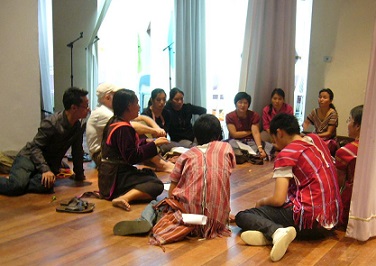
An unanticipated outcome of the project was the impact on young people of being brought together from the four different regions. The opportunity to move outside their own area of concern and experience differences and similarities among other young people was mentioned by several participants as the most memorable aspect of the project.
Project Partner
The Asia Foundation
Project Description
The project was designed to engage young people from marginalized populations in four regions of Thailand, to empower them to voice their needs, access their rights, participate in political processes, and improve their lives and communities. The grantee set out to create new leaders among young people to lead actions in the disenfranchised communities. While the project supported the implementing partners financially and to a lesser extent with expertise, it did not demonstrate significant added-value in the area of democratic development. The trainees were by and large already engaged in development work in their communities and, once the project ended, the partners and the young people continued as before. The project designers would have been more aware of this, and potentially had a chance to rethink the relevance of the design, if they had reviewed existing and earlier practice in this area, and had considered in more depth the way NGOs in the regions work and from where they get their funding. The project fell into the trap of becoming, essentially, a short-term provider of funds.
Evaluation Date
December 2010
Country
LESSON

Lesson Learned: Cultivating Democratic Leaders from Marginalized Groups in Thailand

Media as a component of project activity is not the same as involving media in order to publicize the project or organizations involved. Survey results might have been of interest to the media generally (including international media) and media coverage might have contributed to putting some serious social issues on the political agenda.
Project Partner
The Asia Foundation
Project Description
The project was designed to engage young people from marginalized populations in four regions of Thailand, to empower them to voice their needs, access their rights, participate in political processes, and improve their lives and communities. The grantee set out to create new leaders among young people to lead actions in the disenfranchised communities. While the project supported the implementing partners financially and to a lesser extent with expertise, it did not demonstrate significant added-value in the area of democratic development. The trainees were by and large already engaged in development work in their communities and, once the project ended, the partners and the young people continued as before. The project designers would have been more aware of this, and potentially had a chance to rethink the relevance of the design, if they had reviewed existing and earlier practice in this area, and had considered in more depth the way NGOs in the regions work and from where they get their funding. The project fell into the trap of becoming, essentially, a short-term provider of funds.
Evaluation Date
December 2010
Country
LESSON

Lesson Learned: Cultivating Democratic Leaders from Marginalized Groups in Thailand

The one potentially new element of the project – the participant survey – did not underpin the activities of the project participants; the issues actually addressed were those that have been the focus of actions in this region for some time and which are the focus of other local projects. Trainees were already engaged in development work in their communities and, once the project ended, continued as before. The project designers would have been more aware of this if they had reviewed existing and earlier practice in this area, and had considered in more depth the way NGOs in the regions work and their funding sources.
Project Partner
The Asia Foundation
Project Description
The project was designed to engage young people from marginalized populations in four regions of Thailand, to empower them to voice their needs, access their rights, participate in political processes, and improve their lives and communities. The grantee set out to create new leaders among young people to lead actions in the disenfranchised communities. While the project supported the implementing partners financially and to a lesser extent with expertise, it did not demonstrate significant added-value in the area of democratic development. The trainees were by and large already engaged in development work in their communities and, once the project ended, the partners and the young people continued as before. The project designers would have been more aware of this, and potentially had a chance to rethink the relevance of the design, if they had reviewed existing and earlier practice in this area, and had considered in more depth the way NGOs in the regions work and from where they get their funding. The project fell into the trap of becoming, essentially, a short-term provider of funds.
Evaluation Date
December 2010
Country
LESSON

Lesson Learned: Cultivating Democratic Leaders from Marginalized Groups in Thailand

After a project ends local partners should be able to continue the work begun. Specifically, mobilized young people should have follow-up, guidance and resources. Building fundraising techniques into the project design could address this issue. Such forward planning may include developing networks that can support young people including local authorities, media and potential donors (private and public sector).
Project Partner
The Asia Foundation
Project Description
The project was designed to engage young people from marginalized populations in four regions of Thailand, to empower them to voice their needs, access their rights, participate in political processes, and improve their lives and communities. The grantee set out to create new leaders among young people to lead actions in the disenfranchised communities. While the project supported the implementing partners financially and to a lesser extent with expertise, it did not demonstrate significant added-value in the area of democratic development. The trainees were by and large already engaged in development work in their communities and, once the project ended, the partners and the young people continued as before. The project designers would have been more aware of this, and potentially had a chance to rethink the relevance of the design, if they had reviewed existing and earlier practice in this area, and had considered in more depth the way NGOs in the regions work and from where they get their funding. The project fell into the trap of becoming, essentially, a short-term provider of funds.
Evaluation Date
December 2010
Country
LESSON

Lesson Learned: Cultivating Democratic Leaders from Marginalized Groups in Thailand

Before beginning on project design, ensure that issues that need to be addressed have been mapped comprehensively and a stocktaking of previous and ongoing projects or programmes with the same or similar focus. Carry out a stakeholder analysis of potential partners’ capacity and financial viability. Does an organization have a secure funding base or does it stumble from project to project seeking funds to stay afloat? If there are resourcing problems in a given area, or any group of NGOs, do not add to these by bringing in short-term funds without addressing the longer-term problem.
Project Partner
The Asia Foundation
Project Description
The project was designed to engage young people from marginalized populations in four regions of Thailand, to empower them to voice their needs, access their rights, participate in political processes, and improve their lives and communities. The grantee set out to create new leaders among young people to lead actions in the disenfranchised communities. While the project supported the implementing partners financially and to a lesser extent with expertise, it did not demonstrate significant added-value in the area of democratic development. The trainees were by and large already engaged in development work in their communities and, once the project ended, the partners and the young people continued as before. The project designers would have been more aware of this, and potentially had a chance to rethink the relevance of the design, if they had reviewed existing and earlier practice in this area, and had considered in more depth the way NGOs in the regions work and from where they get their funding. The project fell into the trap of becoming, essentially, a short-term provider of funds.
Evaluation Date
December 2010
Country