
issue

LESSON

Lesson Learned: Deliberative Democracy and Citizen Assemblies to Fight Inequality and Poverty in Brazil

Evolving international best practice seems to suggest that Citizen Assemblies (CAs) can be most useful and effective when addressing “hot” topics that existing political systems and structures are unable to resolve. But this is not always possible where political actors, who need to be part of the process, perceive unacceptable political/electoral risk. A balance may often need to be struck to find a theme/question that is acceptable to all. For this project, the selection of theme or question for the CA was not necessarily the hottest topic for the communities concerned, due to political sensitivities.
Project Partner
Delibera Brasil
Project Description

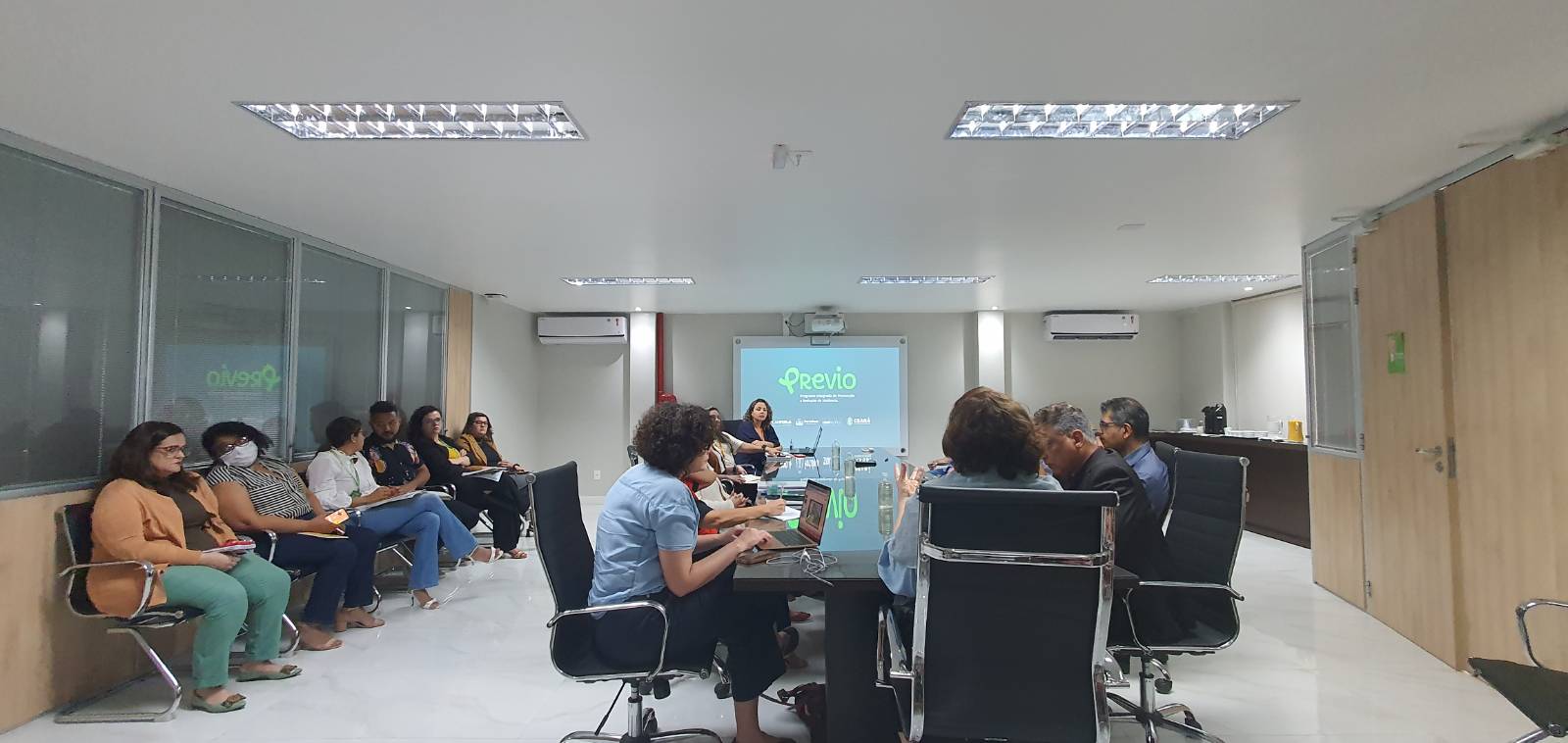
Working in collaboration with municipal governments and civil society, the project seeks to establish Citizen Assemblies in three cities in Brazil to facilitate public participation in policymaking to address poverty and inequality. Building on experience from Brazil and elsewhere, the aim is to demonstrate to public managers, political leaders and citizens alike the feasibility and value of open, inclusive deliberation to build sustainable and widely supported policy responses to complex issues. Results and lessons from the project’s three pilot efforts will be shared at national level. Increased cooperation among policymakers and civil society will address declining public political participation even as it contributes to more equitable and sustainable urban development. The project includes activities relevant to the Covid-19 crisis as it impacts civil society and ensuring that responses uphold their rights and are inclusive of their needs.
Evaluation Date
September 2025
Country
LESSON

Lesson Learned: Creating an Inclusive Policy and Legal System, Protecting Elderly People’s Fundamental Rights in Indonesia

The elderly project should be a source of learning for both UNDEF and the grantee organization LBH Apik, since both parties have not dealt exclusively with elderly before. In a short project such as this (especially with an unexpected challenge like the pandemic), the Donor and Implementing Agency should conduct more frequently periodical pause and reflection to assess direction, progress, challenges, and lessons learnt in order to be able to manage the project adaptively. Ideally this is done every quarter. Sessions for the purpose of learning need to be intentionally planned from the outset. It is unclear whether programmatic learning is being performed from the bottom to the top, and vice versa. It is useful however to cohesively provide a picture on the differences and similarities, and what worked and what did not work.

Project Partner
Indonesian Legal Aid Association for Women
Project Description
The aim of this project is to improve protection mechanisms and policies regarding basic rights and public services to the elderly. Three local partners, each located in one of the three targeted provinces will help complete the project. The project will collect data to close the evidence gap, raise public awareness, and enhance capacity building of the elderly and paralegals as they advocate to improve elderly programs and legal and public services at village and community levels. The project will include a strong gender focus by prioritizing women as paralegals and recipients of legal services.
Evaluation Date
January 2023
Country
LESSON

Lesson Learned: Promoting Participatory Governance and the Rule of Law in South Kivu

The measures taken by the project in order to adapt to the COVID 19 pandemic (which included the development of COVID-related awareness campaigns, the implementation of concrete measures to avoid the spread of COVID during the implementation of project activities and the necessary budgetary reallocations to accommodate for the purchase of sanitary protection material) were also key to ensuring the success of the project.
Project Partner
CARITAS DEVELOPPEMENT BUKAVU
Project Description
In a context characterized by the recurrence of violations of human rights and freedoms, the project aims to respond to the major problem, identified by the Protection Cluster, which is "attacks on the right to life, dignity and freedom. "integrity of the person". This will be done through reactive, corrective and constructive actions, with technical support to the local Volunteer and Volunteer Community-CLOC Local Organizing Committees. This support includes: (1) Capacity building through training for members of these community structures and local authorities on the protection, promotion of human rights and community mediation, and on the reduction of human rights violations.(2) Technical and material support for advocacy, awareness-raising and mediation actions aimed at strengthening collaboration between the civilian population and local civil and military authorities and (3) easy access for victims to appropriate care services.
Evaluation Date
January 2022
Theme