Deliberative Democracy and Citizen Assemblies to Fight Inequality and Poverty in Brazil
Lesson Learned: Deliberative Democracy and Citizen Assemblies to Fight Inequality and Poverty in Brazil
Reporting good news stories (as opposed to crises and conflicts) is a challenge everywhere. Plan accordingly and manage expectations. Communications strategies should remain an important part of any project design and delivery – to improve understanding and acceptability of Citizen Assemblies (CAs). For countries in the Global South, like Brazil, these should tackle head-on any reservations about the “random” nature of selection, and representation/inclusivity. The Brazilian experience is already demonstrating that CAs are not some Western import but are building on a long tradition of social participation in decision-making processes at local and national levels. In this project, engaging with journalists was challenging, and media interest was not as strong as the Grantee was hoping for.
Working in collaboration with municipal governments and civil society, the project seeks to establish Citizen Assemblies in three cities in Brazil to facilitate public participation in policymaking to address poverty and inequality. Building on experience from Brazil and elsewhere, the aim is to demonstrate to public managers, political leaders and citizens alike the feasibility and value of open, inclusive deliberation to build sustainable and widely supported policy responses to complex issues. Results and lessons from the project’s three pilot efforts will be shared at national level. Increased cooperation among policymakers and civil society will address declining public political participation even as it contributes to more equitable and sustainable urban development. The project includes activities relevant to the Covid-19 crisis as it impacts civil society and ensuring that responses uphold their rights and are inclusive of their needs.
Lesson Learned: Deliberative Democracy and Citizen Assemblies to Fight Inequality and Poverty in Brazil
The most successful Citizens’ Assemblies (CAs) take full account of local circumstances and contexts, and adapt accordingly – hence the different lottery selection techniques used by the Grantee in each of the three locations. Respecting key principles is more important than the methods used. The Brazilian experience of social participation in decision-making processes demonstrates the variety of tools and mechanisms available for this. In this project, the methodology used by Delibera/ReCoS is arguably more rigorous and inclusive than most other experiences in Brazil.
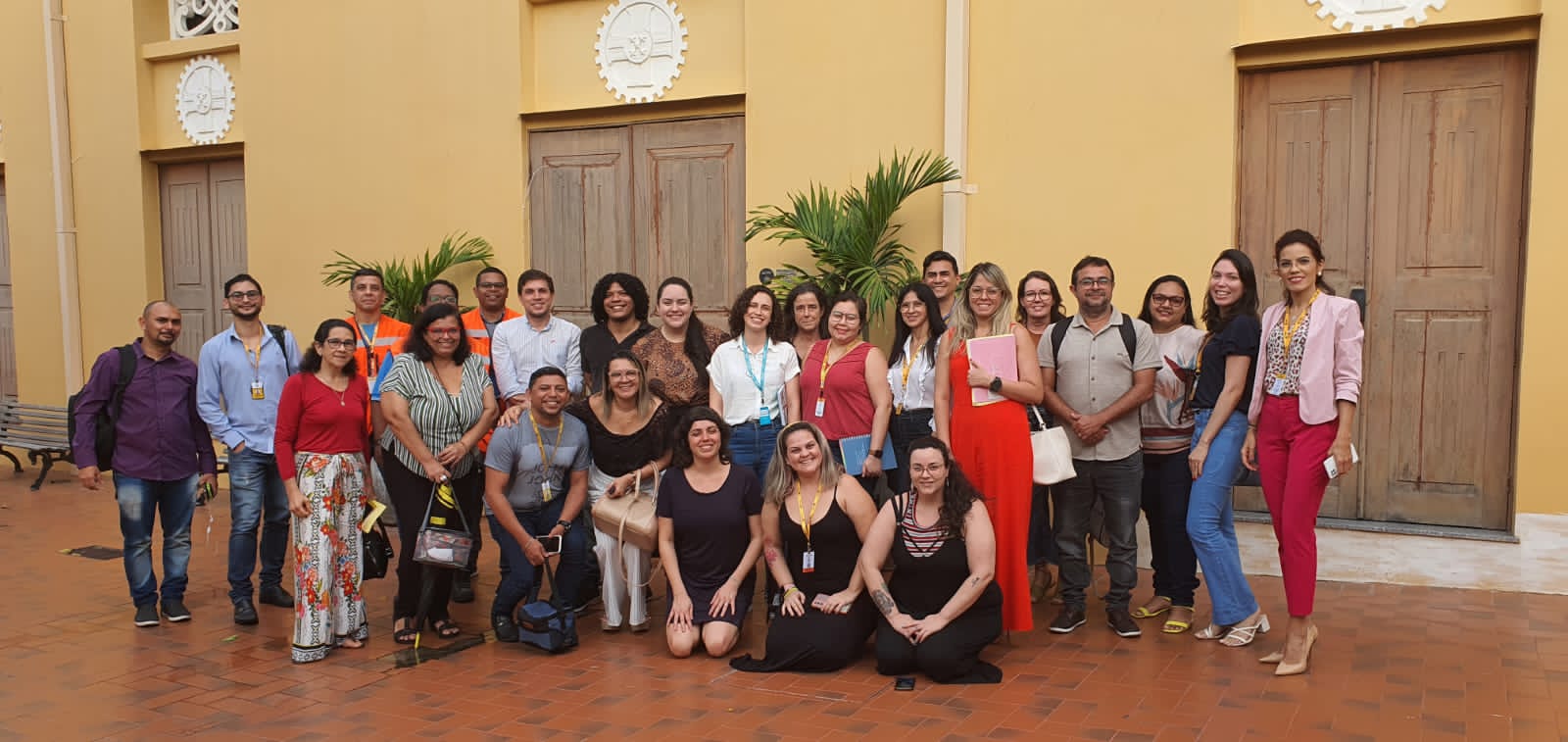
Working in collaboration with municipal governments and civil society, the project seeks to establish Citizen Assemblies in three cities in Brazil to facilitate public participation in policymaking to address poverty and inequality. Building on experience from Brazil and elsewhere, the aim is to demonstrate to public managers, political leaders and citizens alike the feasibility and value of open, inclusive deliberation to build sustainable and widely supported policy responses to complex issues. Results and lessons from the project’s three pilot efforts will be shared at national level. Increased cooperation among policymakers and civil society will address declining public political participation even as it contributes to more equitable and sustainable urban development. The project includes activities relevant to the Covid-19 crisis as it impacts civil society and ensuring that responses uphold their rights and are inclusive of their needs.
Lesson Learned: Deliberative Democracy and Citizen Assemblies to Fight Inequality and Poverty in Brazil
There could have been more evaluator engagement with Citizen Assembly (CA) members (the same was said for the post project evaluation that looked at the UNDEF project UDF-17-739-GLO of 2018-2022). Agree in advance, who and how many participants would be acceptable, and factor in sufficient time and resources to make best use of tools such as Focus Groups. When drawing up inception reports/launch notes, include the OECD Evaluation Guidelines for Representative Deliberative Processes, especially the three-step evaluation cycle: (1) process design integrity; (2) deliberative experience; and (3) pathways to impact. Evaluating projects on participatory/deliberative democracy is a relatively new practice for Monitoring and Evaluation, and some lessons can be drawn from the experience of this project.
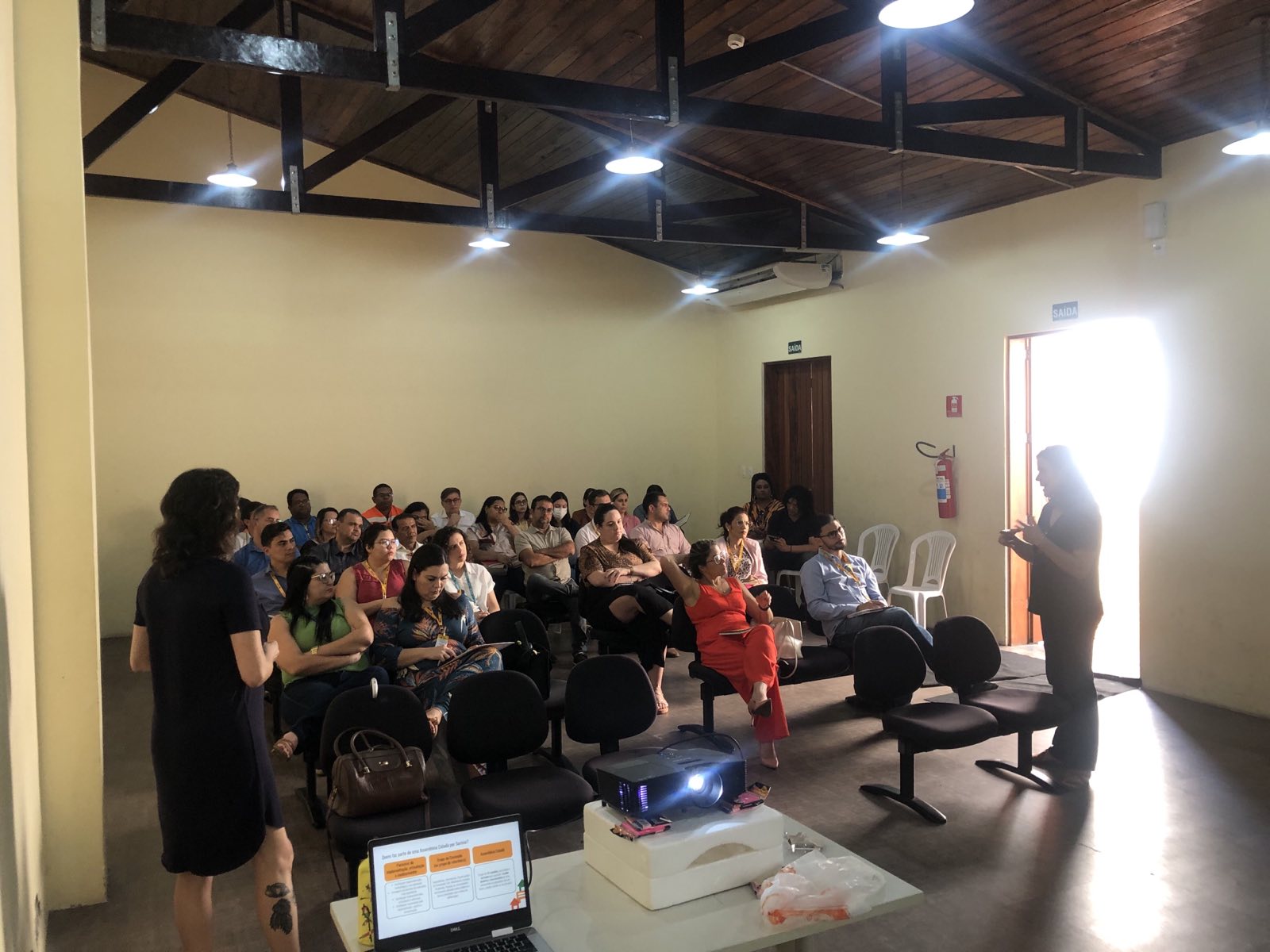
Working in collaboration with municipal governments and civil society, the project seeks to establish Citizen Assemblies in three cities in Brazil to facilitate public participation in policymaking to address poverty and inequality. Building on experience from Brazil and elsewhere, the aim is to demonstrate to public managers, political leaders and citizens alike the feasibility and value of open, inclusive deliberation to build sustainable and widely supported policy responses to complex issues. Results and lessons from the project’s three pilot efforts will be shared at national level. Increased cooperation among policymakers and civil society will address declining public political participation even as it contributes to more equitable and sustainable urban development. The project includes activities relevant to the Covid-19 crisis as it impacts civil society and ensuring that responses uphold their rights and are inclusive of their needs.
Lesson Learned: Deliberative Democracy and Citizen Assemblies to Fight Inequality and Poverty in Brazil
Evolving international best practice seems to suggest that Citizen Assemblies (CAs) can be most useful and effective when addressing “hot” topics that existing political systems and structures are unable to resolve. But this is not always possible where political actors, who need to be part of the process, perceive unacceptable political/electoral risk. A balance may often need to be struck to find a theme/question that is acceptable to all. For this project, the selection of theme or question for the CA was not necessarily the hottest topic for the communities concerned, due to political sensitivities.
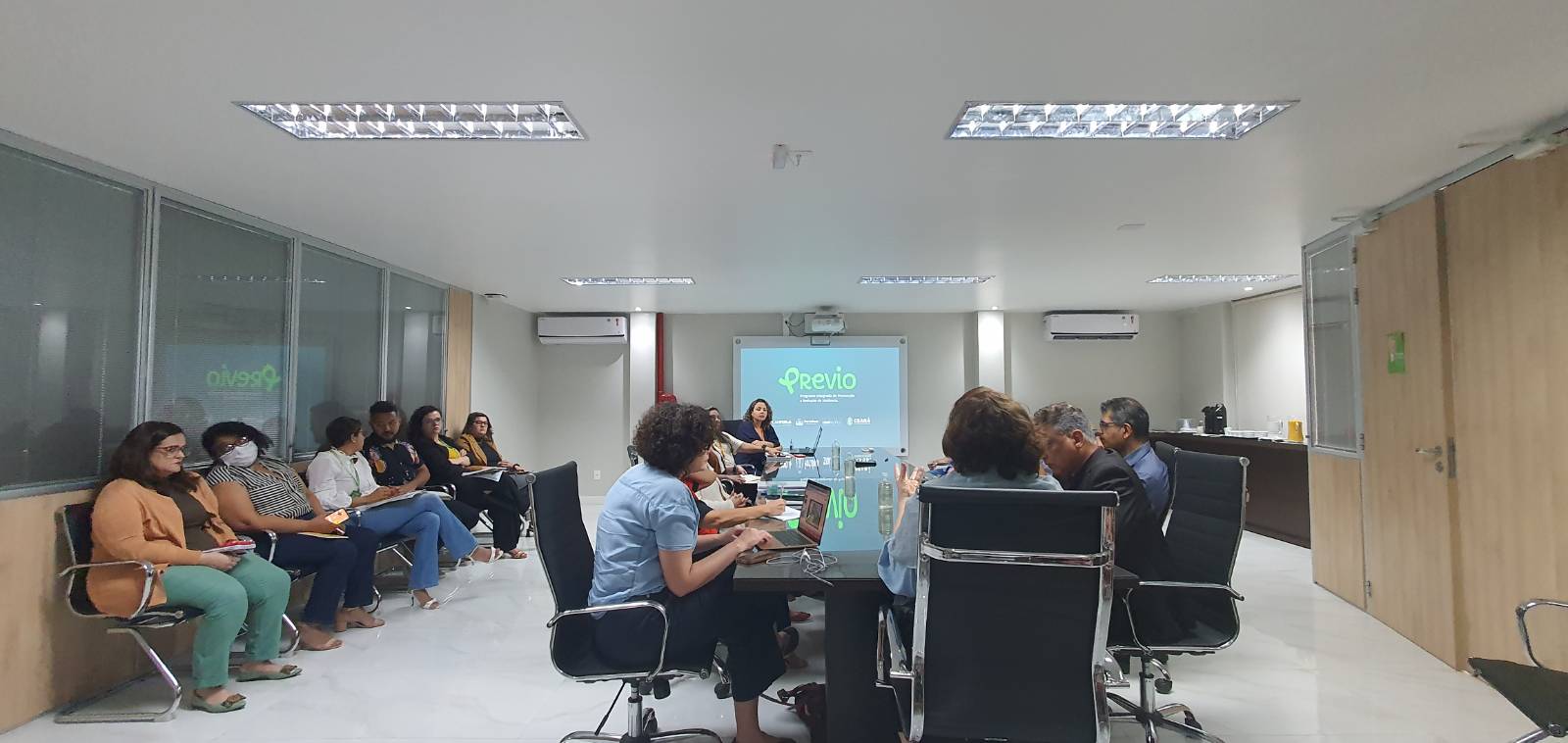
Working in collaboration with municipal governments and civil society, the project seeks to establish Citizen Assemblies in three cities in Brazil to facilitate public participation in policymaking to address poverty and inequality. Building on experience from Brazil and elsewhere, the aim is to demonstrate to public managers, political leaders and citizens alike the feasibility and value of open, inclusive deliberation to build sustainable and widely supported policy responses to complex issues. Results and lessons from the project’s three pilot efforts will be shared at national level. Increased cooperation among policymakers and civil society will address declining public political participation even as it contributes to more equitable and sustainable urban development. The project includes activities relevant to the Covid-19 crisis as it impacts civil society and ensuring that responses uphold their rights and are inclusive of their needs.