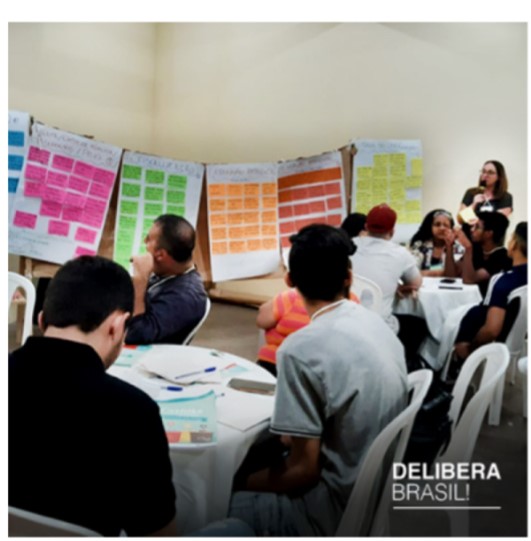
Interaction with government

LESSON

Lesson Learned: Deliberative Democracy and Citizen Assemblies to Fight Inequality and Poverty in Brazil

Reporting good news stories (as opposed to crises and conflicts) is a challenge everywhere. Plan accordingly and manage expectations. Communications strategies should remain an important part of any project design and delivery – to improve understanding and acceptability of Citizen Assemblies (CAs). For countries in the Global South, like Brazil, these should tackle head-on any reservations about the “random” nature of selection, and representation/inclusivity. The Brazilian experience is already demonstrating that CAs are not some Western import but are building on a long tradition of social participation in decision-making processes at local and national levels. In this project, engaging with journalists was challenging, and media interest was not as strong as the Grantee was hoping for.


Project Partner
Delibera Brasil
Project Description

Working in collaboration with municipal governments and civil society, the project seeks to establish Citizen Assemblies in three cities in Brazil to facilitate public participation in policymaking to address poverty and inequality. Building on experience from Brazil and elsewhere, the aim is to demonstrate to public managers, political leaders and citizens alike the feasibility and value of open, inclusive deliberation to build sustainable and widely supported policy responses to complex issues. Results and lessons from the project’s three pilot efforts will be shared at national level. Increased cooperation among policymakers and civil society will address declining public political participation even as it contributes to more equitable and sustainable urban development. The project includes activities relevant to the Covid-19 crisis as it impacts civil society and ensuring that responses uphold their rights and are inclusive of their needs.
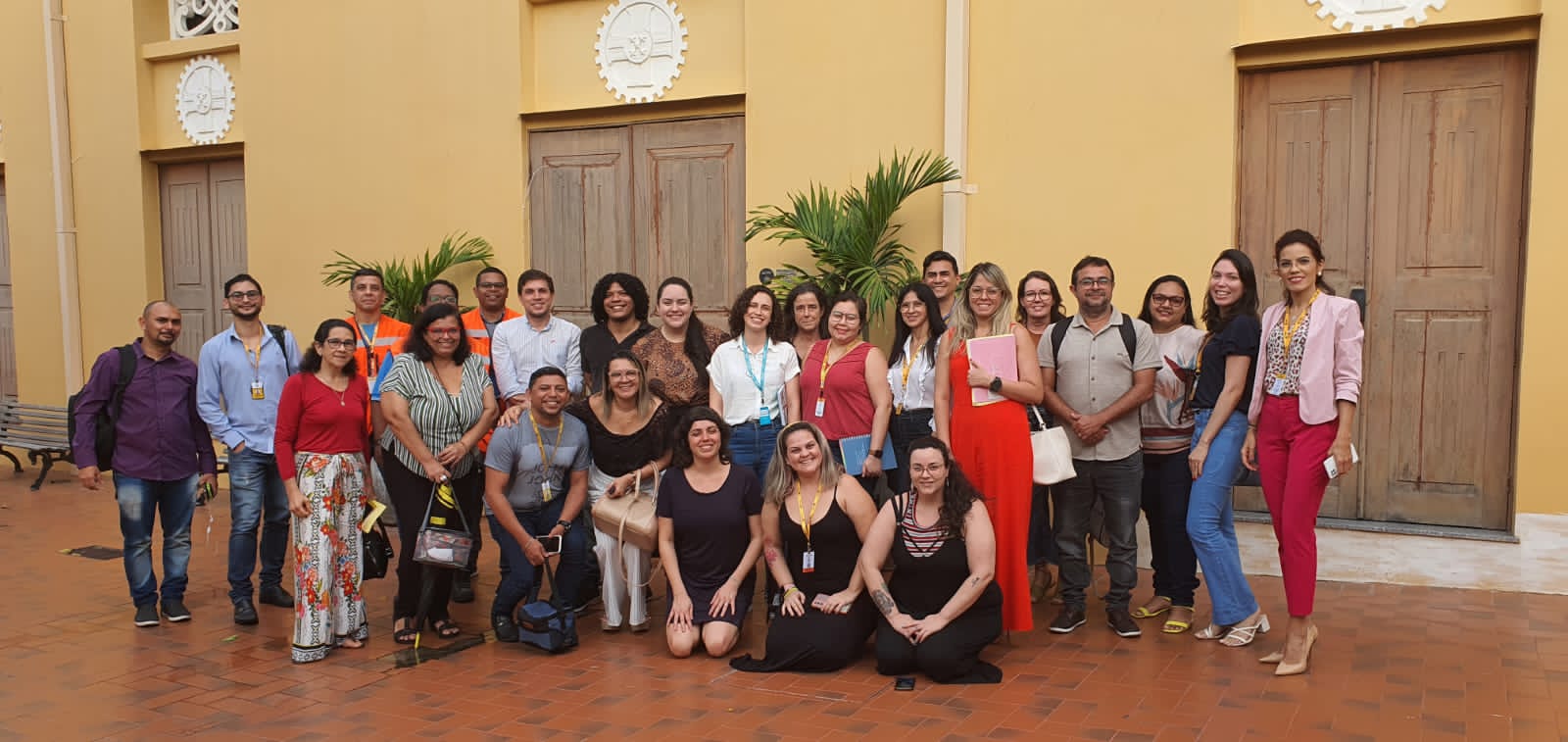
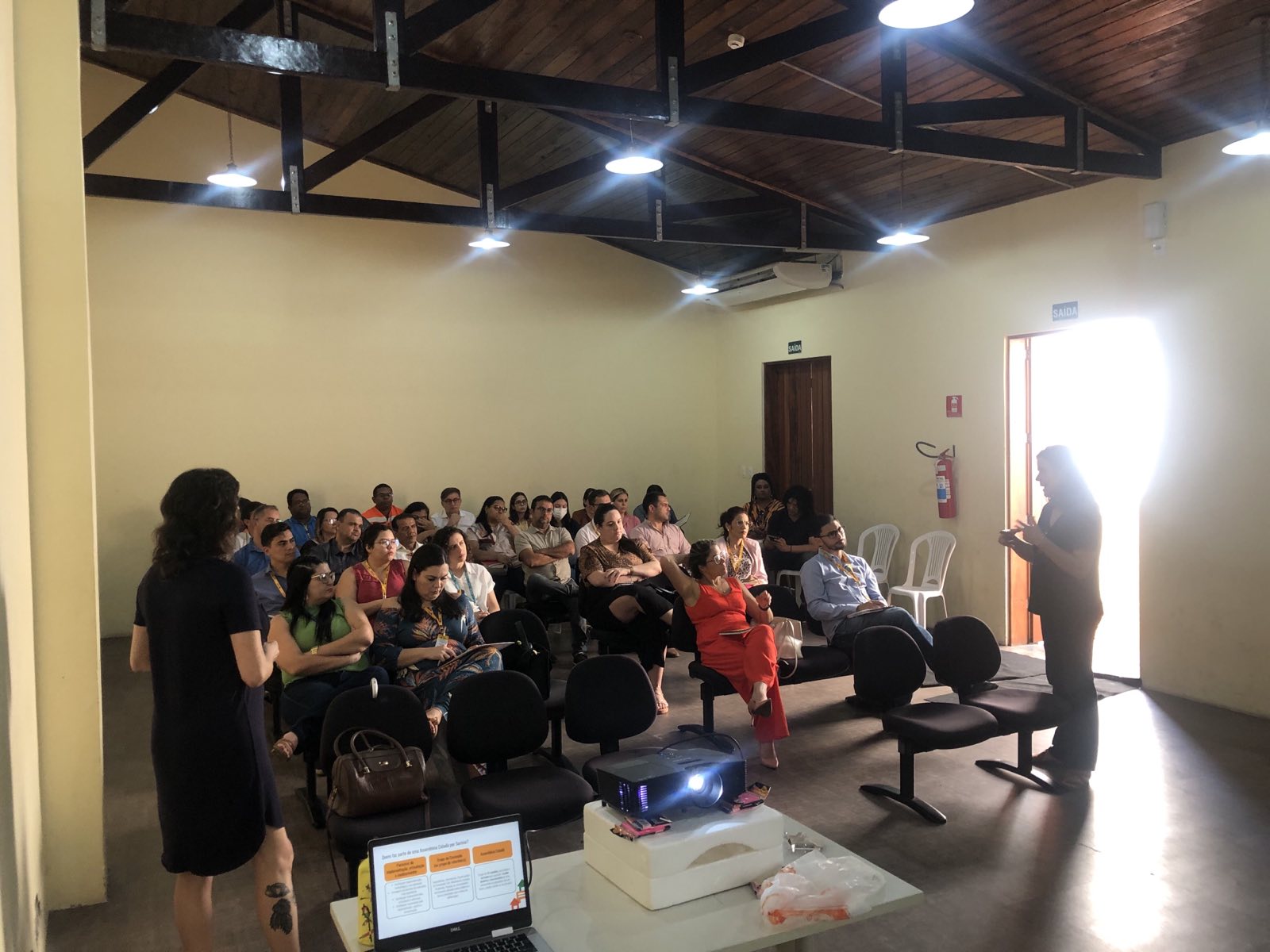
Evaluation Date
September 2025
Country
LESSON

Lesson Learned: Deliberative Democracy and Citizen Assemblies to Fight Inequality and Poverty in Brazil

The most successful Citizens’ Assemblies (CAs) take full account of local circumstances and contexts, and adapt accordingly – hence the different lottery selection techniques used by the Grantee in each of the three locations. Respecting key principles is more important than the methods used. The Brazilian experience of social participation in decision-making processes demonstrates the variety of tools and mechanisms available for this. In this project, the methodology used by Delibera/ReCoS is arguably more rigorous and inclusive than most other experiences in Brazil.


Project Partner
Delibera Brasil
Project Description

Working in collaboration with municipal governments and civil society, the project seeks to establish Citizen Assemblies in three cities in Brazil to facilitate public participation in policymaking to address poverty and inequality. Building on experience from Brazil and elsewhere, the aim is to demonstrate to public managers, political leaders and citizens alike the feasibility and value of open, inclusive deliberation to build sustainable and widely supported policy responses to complex issues. Results and lessons from the project’s three pilot efforts will be shared at national level. Increased cooperation among policymakers and civil society will address declining public political participation even as it contributes to more equitable and sustainable urban development. The project includes activities relevant to the Covid-19 crisis as it impacts civil society and ensuring that responses uphold their rights and are inclusive of their needs.
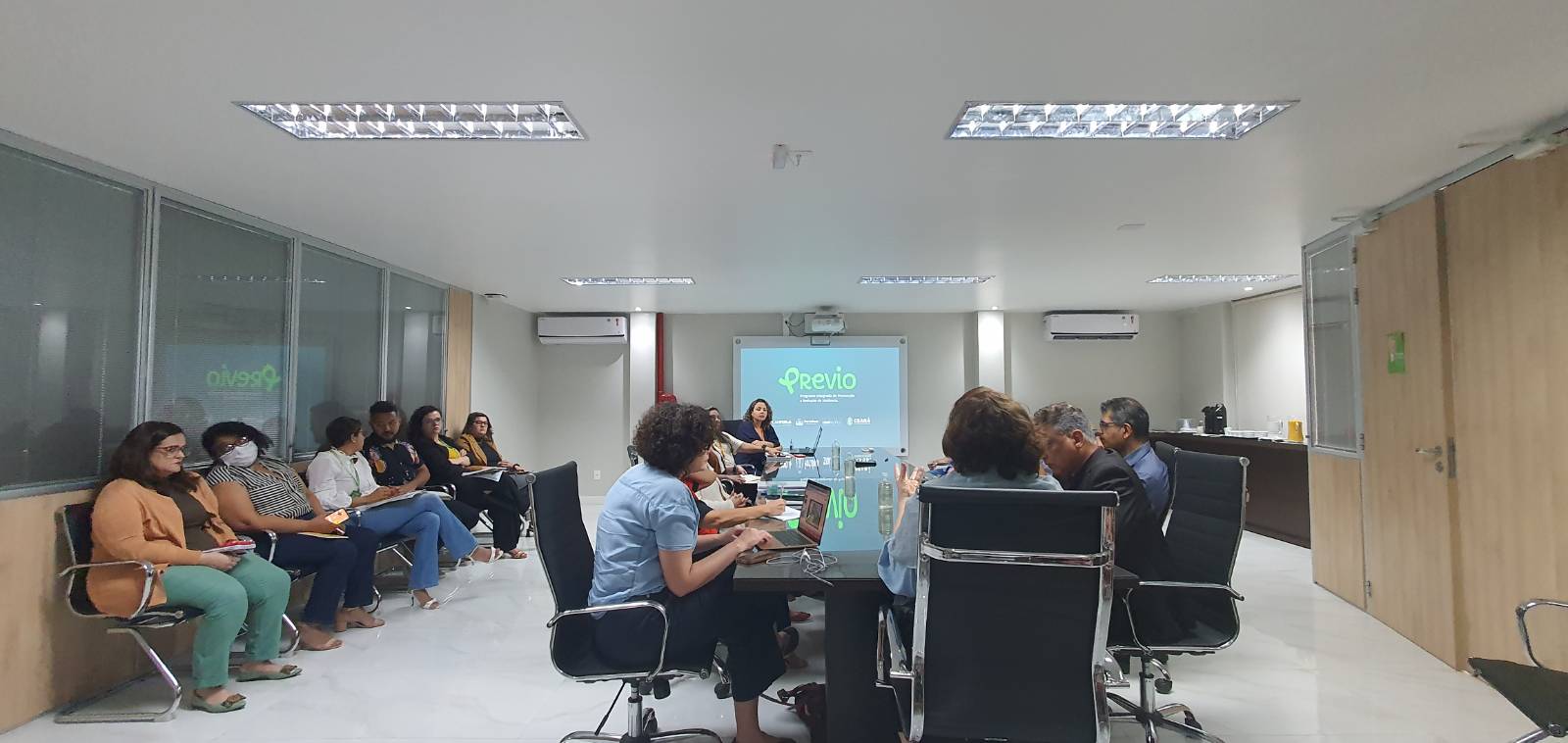
Evaluation Date
September 2025
Country
LESSON

Lesson Learned: Deliberative Democracy and Citizen Assemblies to Fight Inequality and Poverty in Brazil

There could have been more evaluator engagement with Citizen Assembly (CA) members (the same was said for the post project evaluation that looked at the UNDEF project UDF-17-739-GLO of 2018-2022). Agree in advance, who and how many participants would be acceptable, and factor in sufficient time and resources to make best use of tools such as Focus Groups. When drawing up inception reports/launch notes, include the OECD Evaluation Guidelines for Representative Deliberative Processes, especially the three-step evaluation cycle: (1) process design integrity; (2) deliberative experience; and (3) pathways to impact. Evaluating projects on participatory/deliberative democracy is a relatively new practice for Monitoring and Evaluation, and some lessons can be drawn from the experience of this project. 

Project Partner
Delibera Brasil
Project Description

Working in collaboration with municipal governments and civil society, the project seeks to establish Citizen Assemblies in three cities in Brazil to facilitate public participation in policymaking to address poverty and inequality. Building on experience from Brazil and elsewhere, the aim is to demonstrate to public managers, political leaders and citizens alike the feasibility and value of open, inclusive deliberation to build sustainable and widely supported policy responses to complex issues. Results and lessons from the project’s three pilot efforts will be shared at national level. Increased cooperation among policymakers and civil society will address declining public political participation even as it contributes to more equitable and sustainable urban development. The project includes activities relevant to the Covid-19 crisis as it impacts civil society and ensuring that responses uphold their rights and are inclusive of their needs.
Evaluation Date
September 2025
Country
LESSON

Lesson Learned: Deliberative Democracy and Citizen Assemblies to Fight Inequality and Poverty in Brazil

Evolving international best practice seems to suggest that Citizen Assemblies (CAs) can be most useful and effective when addressing “hot” topics that existing political systems and structures are unable to resolve. But this is not always possible where political actors, who need to be part of the process, perceive unacceptable political/electoral risk. A balance may often need to be struck to find a theme/question that is acceptable to all. For this project, the selection of theme or question for the CA was not necessarily the hottest topic for the communities concerned, due to political sensitivities.

Project Partner
Delibera Brasil
Project Description

Working in collaboration with municipal governments and civil society, the project seeks to establish Citizen Assemblies in three cities in Brazil to facilitate public participation in policymaking to address poverty and inequality. Building on experience from Brazil and elsewhere, the aim is to demonstrate to public managers, political leaders and citizens alike the feasibility and value of open, inclusive deliberation to build sustainable and widely supported policy responses to complex issues. Results and lessons from the project’s three pilot efforts will be shared at national level. Increased cooperation among policymakers and civil society will address declining public political participation even as it contributes to more equitable and sustainable urban development. The project includes activities relevant to the Covid-19 crisis as it impacts civil society and ensuring that responses uphold their rights and are inclusive of their needs.
Evaluation Date
September 2025
Country
LESSON

Lesson Learned: Enabling National Initiatives to Take Democracy Beyond Elections

Adapting standardised models that are built on globally accepted principles to local contextual realities is essential for the successful implementation of deliberative democracy approaches. This extends to the selection of members and the approaches used to engage stakeholders and is most effectively done in partnership with a credible local organization that is interested in, or has a track record working on, similar initiatives. In this case UNDEF’s Implementing Partner chose to work with organizations and individuals with local connections and knowledge that complemented well its own practical experience with Citizen Assemblies.

Project Partner
The newDemocracy Foundation
Project Description

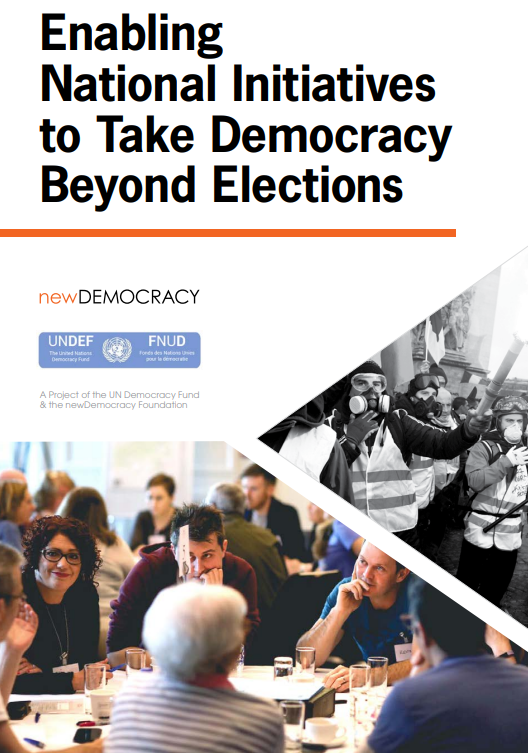
Making democracies more inclusive requires bold and innovative reforms to bring the young, the poor, and minorities into the political system. Some countries have piloted initiatives for assemblies on specific issues where members are not nominated by political parties but chosen at random for a limited term to represent all sectors of society, to prevent the formation of self-serving and self-perpetuating political classes disconnected from their electorates. The project aims to enable more countries to develop initiatives of this kind. It will develop and distribute a handbook on ‘Democracy Beyond Elections’ designed to show how nations at various levels of development can apply the principles of representation and deliberation in ways that are appropriate to their economic and educational circumstances. The project will fund three pilot projects to further the demonstration effect and produce a documentary based on one of these to demonstrate how deliberative democracy can work in practice. Among citizens, the project will work to build the sense that ordinary people are involved in making decisions that affect them, and thus to promote trust in Government. Among elected representatives, the project will work to stimulate a greater openness to complementary democratic models in which citizens explore and recommend policy solutions on key issues.

Evaluation Date
March 2025
LESSON

Lesson Learned: Enabling National Initiatives to Take Democracy Beyond Elections

Engaging with civil servants and elected government officials from the outset is a critical strategy that can ensure state-level buy-in for the Citizen Assembly approach which in turn can reduce the risk that it is seen as adversarial, but rather a mechanism that can capture and reflect citizens perspectives in ways that strengthens state credibility and even legitimacy. In this project, all local partners sought to engage state officials as partners in Citizen Assembly processes by providing opportunities for them to attend sessions and/or through regular progress updates.

Project Partner
The newDemocracy Foundation
Project Description

Making democracies more inclusive requires bold and innovative reforms to bring the young, the poor, and minorities into the political system. Some countries have piloted initiatives for assemblies on specific issues where members are not nominated by political parties but chosen at random for a limited term to represent all sectors of society, to prevent the formation of self-serving and self-perpetuating political classes disconnected from their electorates. The project aims to enable more countries to develop initiatives of this kind. It will develop and distribute a handbook on ‘Democracy Beyond Elections’ designed to show how nations at various levels of development can apply the principles of representation and deliberation in ways that are appropriate to their economic and educational circumstances. The project will fund three pilot projects to further the demonstration effect and produce a documentary based on one of these to demonstrate how deliberative democracy can work in practice. Among citizens, the project will work to build the sense that ordinary people are involved in making decisions that affect them, and thus to promote trust in Government. Among elected representatives, the project will work to stimulate a greater openness to complementary democratic models in which citizens explore and recommend policy solutions on key issues.

Evaluation Date
March 2025
LESSON

Lesson Learned: Enabling National Initiatives to Take Democracy Beyond Elections

The key to the continued engagement of citizens selected to be part of the Citizen Assembly with the process is to ensure that the sessions are well-structured, informative and engaging. Getting the members in the room is an important piece of the puzzle but ensuring that they are active participants is fundamental to their overall output and outcome. In this project local partners, supported by the Implementing Partner, were given resources and guidance that enabled them to ensure adherence to core Citizen Assembly principles but also tailor approaches to contextual realities.

Project Partner
The newDemocracy Foundation
Project Description

Making democracies more inclusive requires bold and innovative reforms to bring the young, the poor, and minorities into the political system. Some countries have piloted initiatives for assemblies on specific issues where members are not nominated by political parties but chosen at random for a limited term to represent all sectors of society, to prevent the formation of self-serving and self-perpetuating political classes disconnected from their electorates. The project aims to enable more countries to develop initiatives of this kind. It will develop and distribute a handbook on ‘Democracy Beyond Elections’ designed to show how nations at various levels of development can apply the principles of representation and deliberation in ways that are appropriate to their economic and educational circumstances. The project will fund three pilot projects to further the demonstration effect and produce a documentary based on one of these to demonstrate how deliberative democracy can work in practice. Among citizens, the project will work to build the sense that ordinary people are involved in making decisions that affect them, and thus to promote trust in Government. Among elected representatives, the project will work to stimulate a greater openness to complementary democratic models in which citizens explore and recommend policy solutions on key issues.

Evaluation Date
March 2025
LESSON

Lesson Learned: Enabling National Initiatives to Take Democracy Beyond Elections

Investing the time to consult widely, and with an array of thinkers on approaches to deliberative democracy from across the globe, can create a product that positions the drafters as thought-leaders on the issue, increasing the likelihood that others thinking about how to implement such approaches will reference and consult it. UNDEF’s Implementing Partner in this case drew on its existing networks of Citizen Assembly experts and practitioners to produce a robust and widely accepted deliberative democracy implementation handbook.

Link to the deliberative democracy implementation handbook

Project Partner
The newDemocracy Foundation
Project Description

Making democracies more inclusive requires bold and innovative reforms to bring the young, the poor, and minorities into the political system. Some countries have piloted initiatives for assemblies on specific issues where members are not nominated by political parties but chosen at random for a limited term to represent all sectors of society, to prevent the formation of self-serving and self-perpetuating political classes disconnected from their electorates. The project aims to enable more countries to develop initiatives of this kind. It will develop and distribute a handbook on ‘Democracy Beyond Elections’ designed to show how nations at various levels of development can apply the principles of representation and deliberation in ways that are appropriate to their economic and educational circumstances. The project will fund three pilot projects to further the demonstration effect and produce a documentary based on one of these to demonstrate how deliberative democracy can work in practice. Among citizens, the project will work to build the sense that ordinary people are involved in making decisions that affect them, and thus to promote trust in Government. Among elected representatives, the project will work to stimulate a greater openness to complementary democratic models in which citizens explore and recommend policy solutions on key issues.

Evaluation Date
March 2025
LESSON

Lesson Learned: Enabling National Initiatives to Take Democracy Beyond Elections

Providing local actors with an interest in running Citizen Assemblies with access to global networks, knowledge and experts who can offer guidance and learnings from their experiences is key in supporting their successful adaptation. In this project UNDEFs Implementing Partner offered valuable technical support and access to practitioner networks that supported local partner implementation and offered opportunities for sustained engagement around the Citizen Assembly model.

Project Partner
The newDemocracy Foundation
Project Description

Making democracies more inclusive requires bold and innovative reforms to bring the young, the poor, and minorities into the political system. Some countries have piloted initiatives for assemblies on specific issues where members are not nominated by political parties but chosen at random for a limited term to represent all sectors of society, to prevent the formation of self-serving and self-perpetuating political classes disconnected from their electorates. The project aims to enable more countries to develop initiatives of this kind. It will develop and distribute a handbook on ‘Democracy Beyond Elections’ designed to show how nations at various levels of development can apply the principles of representation and deliberation in ways that are appropriate to their economic and educational circumstances. The project will fund three pilot projects to further the demonstration effect and produce a documentary based on one of these to demonstrate how deliberative democracy can work in practice. Among citizens, the project will work to build the sense that ordinary people are involved in making decisions that affect them, and thus to promote trust in Government. Among elected representatives, the project will work to stimulate a greater openness to complementary democratic models in which citizens explore and recommend policy solutions on key issues.

Evaluation Date
March 2025
LESSON

Lesson Learned: Enabling National Initiatives to Take Democracy Beyond Elections

Documenting how Citizen Assembly initiatives were successfully delivered and the impacts they had in different contexts is a critical tool for increasing public awareness about the ideas behind the approach and can also strengthen expert networks existing knowledge bases. With the publication of a handbook, UNDEF’s Implementing Partner has provided a valuable resource that can guide the practical application of deliberative democracy ideals into practice through Citizen Assemblies.

Project Partner
The newDemocracy Foundation
Project Description

Making democracies more inclusive requires bold and innovative reforms to bring the young, the poor, and minorities into the political system. Some countries have piloted initiatives for assemblies on specific issues where members are not nominated by political parties but chosen at random for a limited term to represent all sectors of society, to prevent the formation of self-serving and self-perpetuating political classes disconnected from their electorates. The project aims to enable more countries to develop initiatives of this kind. It will develop and distribute a handbook on ‘Democracy Beyond Elections’ designed to show how nations at various levels of development can apply the principles of representation and deliberation in ways that are appropriate to their economic and educational circumstances. The project will fund three pilot projects to further the demonstration effect and produce a documentary based on one of these to demonstrate how deliberative democracy can work in practice. Among citizens, the project will work to build the sense that ordinary people are involved in making decisions that affect them, and thus to promote trust in Government. Among elected representatives, the project will work to stimulate a greater openness to complementary democratic models in which citizens explore and recommend policy solutions on key issues.

Evaluation Date
March 2025